
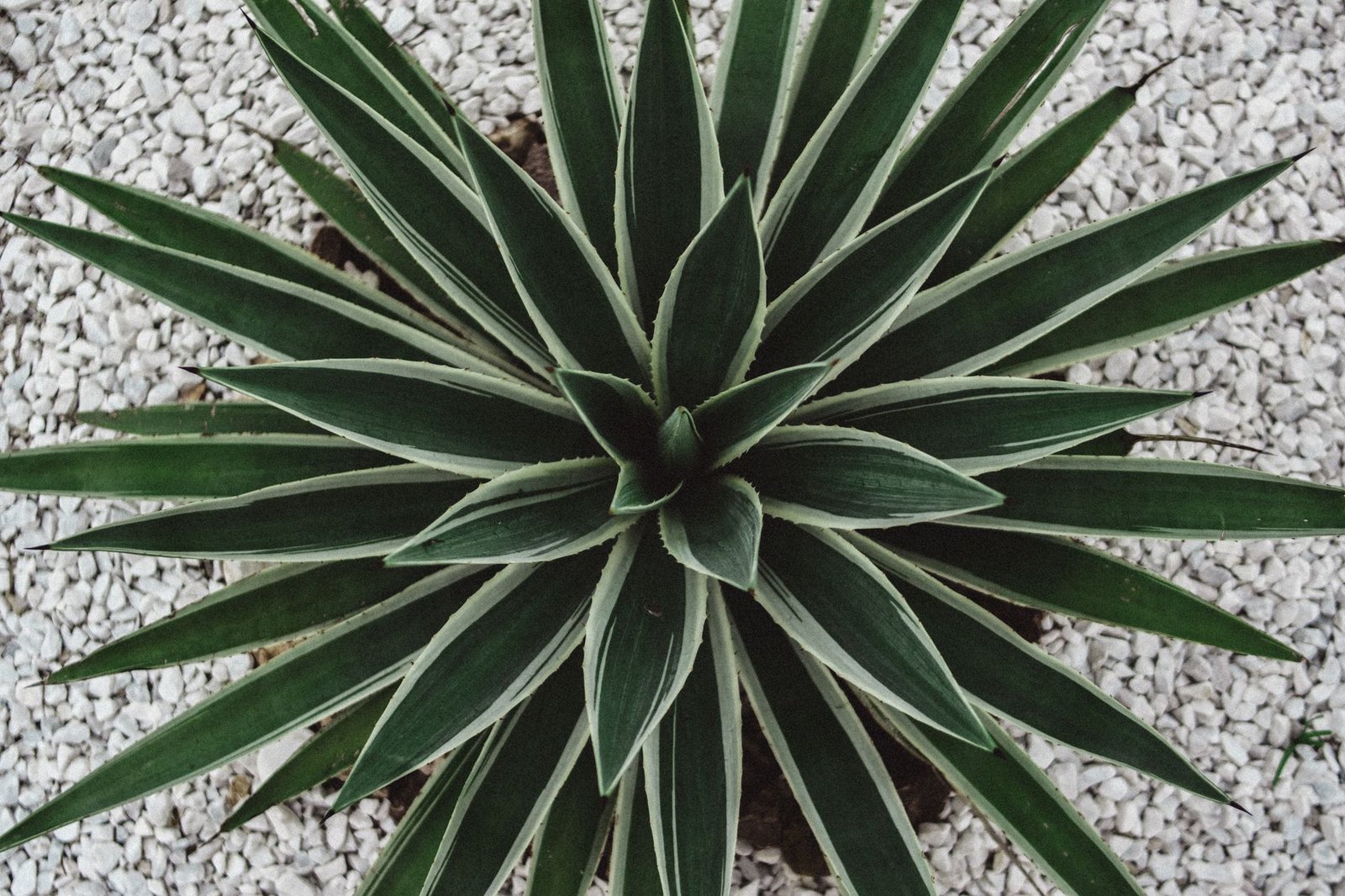
Embracing Water-Wise Vibrancy in 2026 Landscapes
As water conservation becomes an increasingly critical aspect of landscape design in 2026, the pursuit of vibrant, colorful gardens no longer requires excessive water consumption. Homeowners and landscape designers are seeking sustainable solutions that combine aesthetic appeal with ecological responsibility. This article highlights ten remarkable drought-tolerant plant species that deliver breathtaking color, ensuring striking landscapes even in arid conditions.
The imperative for sustainable landscape practices has never been more pronounced than in 2026. With evolving climate patterns and an intensified focus on water conservation, the creation of resilient, low-water gardens is paramount. This shift, however, does not necessitate a compromise on visual appeal. Modern horticultural advancements and a deeper understanding of xeriscaping principles allow for the cultivation of incredibly diverse and colorful plant palettes that thrive with minimal irrigation once established. For the homeowner aiming to reduce their environmental footprint while enhancing curb appeal, selecting the right drought-tolerant species is a foundational step.
Top 10 Vibrant Drought-Tolerant Plants for 2026
Here are ten exceptional plant selections proven to offer dazzling color and remarkable resilience in dry conditions, perfectly suited for contemporary water-wise garden designs in 2026:
-
1. Lavender (Lavandula spp.)
Renowned for its soothing fragrance and iconic purple blooms, Lavender is a quintessential drought-tolerant choice. Its silvery-green foliage provides year-round interest, while its spikes of flowers add a Mediterranean flair. Thriving in full sun and well-draining soil, various cultivars offer shades from deep violet to pale lilac. The plant requires minimal water once established, making it ideal for sunny borders and rock gardens.
-
2. Salvia (Salvia spp.)
The Salvia genus is incredibly diverse, offering a spectrum of colors from vibrant reds and deep purples to striking blues and soft pinks. Many varieties are exceptionally drought-tolerant, blooming profusely from spring through fall. Beyond their visual appeal, Salvias are magnets for pollinators, adding ecological value to any landscape. They prefer full sun and adapt to various soil types, provided drainage is good.
-
3. Sedum/Stonecrop (Hylotelephium spectabile & similar species)
Sedums, often referred to as Stonecrop, are succulent plants celebrated for their robust nature and late-season color. Varieties like ‘Autumn Joy’ provide large, flat-topped flower heads that transition from pink to rusty red as the season progresses. Their fleshy leaves store water efficiently, making them exceptionally resilient to dry spells. Sedums excel in full sun and poor to average soil, requiring very little moisture.
-
4. Yarrow (Achillea millefolium)
Yarrow is a hardy perennial known for its clusters of small, flat-topped flowers available in shades of yellow, red, pink, and white. This plant is incredibly adaptable, tolerating heat, drought, and poor soils with ease. Its fern-like foliage adds fine texture to the garden. Yarrow is an excellent choice for naturalized areas, meadows, and borders where a splash of long-lasting color is desired with minimal water input.
-
5. Coreopsis (Coreopsis spp.)
Often called Tickseed, Coreopsis brings a sunny disposition to any garden with its profusion of daisy-like flowers. While yellow is the most common color, cultivators now offer vibrant reds, oranges, and bi-colors. These cheerful perennials bloom continuously from early summer until frost, even in dry conditions. They thrive in full sun and well-drained soil, perfect for mass plantings or container gardening.
-
6. Echinacea/Coneflower (Echinacea purpurea & hybrids)
Echinacea, or Coneflower, is a beloved perennial known for its distinctive daisy-like flowers with a prominent central cone. While purple remains popular, modern hybrids boast a stunning array of colors including pink, white, yellow, orange, and even green. These tough plants are highly drought-tolerant once established and are vital for supporting local pollinators. They perform best in full sun and average, well-drained soil.
-
7. Gaillardia/Blanket Flower (Gaillardia spp.)
Blanket Flower lives up to its name, blanketing garden beds with a continuous display of fiery red, orange, and yellow blooms, often with striking bi-color patterns. This North American native is incredibly tolerant of heat and drought, making it an excellent choice for arid climates. Gaillardia thrives in full sun and poor to average soil, providing cheerful color throughout the summer and fall.
-
8. Penstemon (Penstemon spp.)
Penstemon, also known as Beardtongue, offers striking tubular flowers on tall spikes, available in shades of red, pink, purple, and blue. Many native Penstemon species are exceptionally drought-tolerant and well-suited to various regional climates. They add vertical interest and attract hummingbirds, making them a dynamic addition to any low-water landscape. Full sun and well-drained soil are preferred.
-
9. Russian Sage (Perovskia atriplicifolia)
Russian Sage is celebrated for its ethereal, silvery foliage and airy spikes of lavender-blue flowers that create a hazy, soft effect in the landscape. This tough sub-shrub is incredibly drought-tolerant and thrives in full sun and hot, dry conditions. Its long blooming period from mid-summer to fall provides continuous color and texture, making it an excellent choice for xeriscapes and informal gardens.
-
10. Lantana (Lantana camara)
Lantana is a powerhouse of color, producing clusters of small flowers that often display multiple hues on a single bloom, such as yellow, orange, red, and pink. It is exceptionally heat and drought-tolerant, thriving in conditions where many other plants falter. Lantana is versatile, suitable for groundcover, containers, or as a vibrant shrub in warmer climates. It attracts butterflies and blooms prolifically in full sun.
Cultivating Success: 2026 Trends in Water-Wise Landscaping
Achieving a beautiful, drought-tolerant garden in 2026 extends beyond plant selection; it involves integrating cutting-edge practices and materials. Smart irrigation systems are rapidly evolving, with AI-driven technologies analyzing hyper-local weather data, soil moisture levels, and plant-specific needs to optimize water delivery precisely. The resident can minimize water waste through targeted drip irrigation systems, now often integrated with IoT platforms for remote monitoring and control.
Another prominent trend is the strong emphasis on native plant integration. Beyond mere drought tolerance, native species support local ecosystems, providing crucial habitat and food sources for pollinators and wildlife, aligning with broader ecological restoration goals. This approach fosters biodiversity and reduces the need for external inputs.
Sustainable hardscaping continues to gain traction, with permeable pavers and recycled aggregate materials becoming standard for pathways and patios. These materials aid in rainwater infiltration, reducing runoff and replenishing local groundwater. Innovations in biochar-enhanced soil amendments are also improving soil structure and water retention capabilities, allowing plants to access moisture more efficiently during dry periods.
Furthermore, the principles of biophilic design are increasingly applied outdoors, creating multi-sensory gardens that connect the homeowner to nature, even within urban environments. This includes designing spaces with varying textures, fragrances, and sounds (e.g., rustling grasses, attracting birds) that enhance domestic comfort without increasing water demand.
Conclusion
Creating a vibrant, water-wise landscape in 2026 is an attainable and rewarding endeavor. By selecting robust, colorful drought-tolerant plants and integrating modern sustainable practices, the homeowner can craft aesthetically stunning outdoor spaces that are both environmentally responsible and remarkably low-maintenance. These ten plant selections offer a fantastic starting point for any resident aspiring to combine ecological consciousness with breathtaking garden beauty, proving that conservation and captivating design can flourish together.