
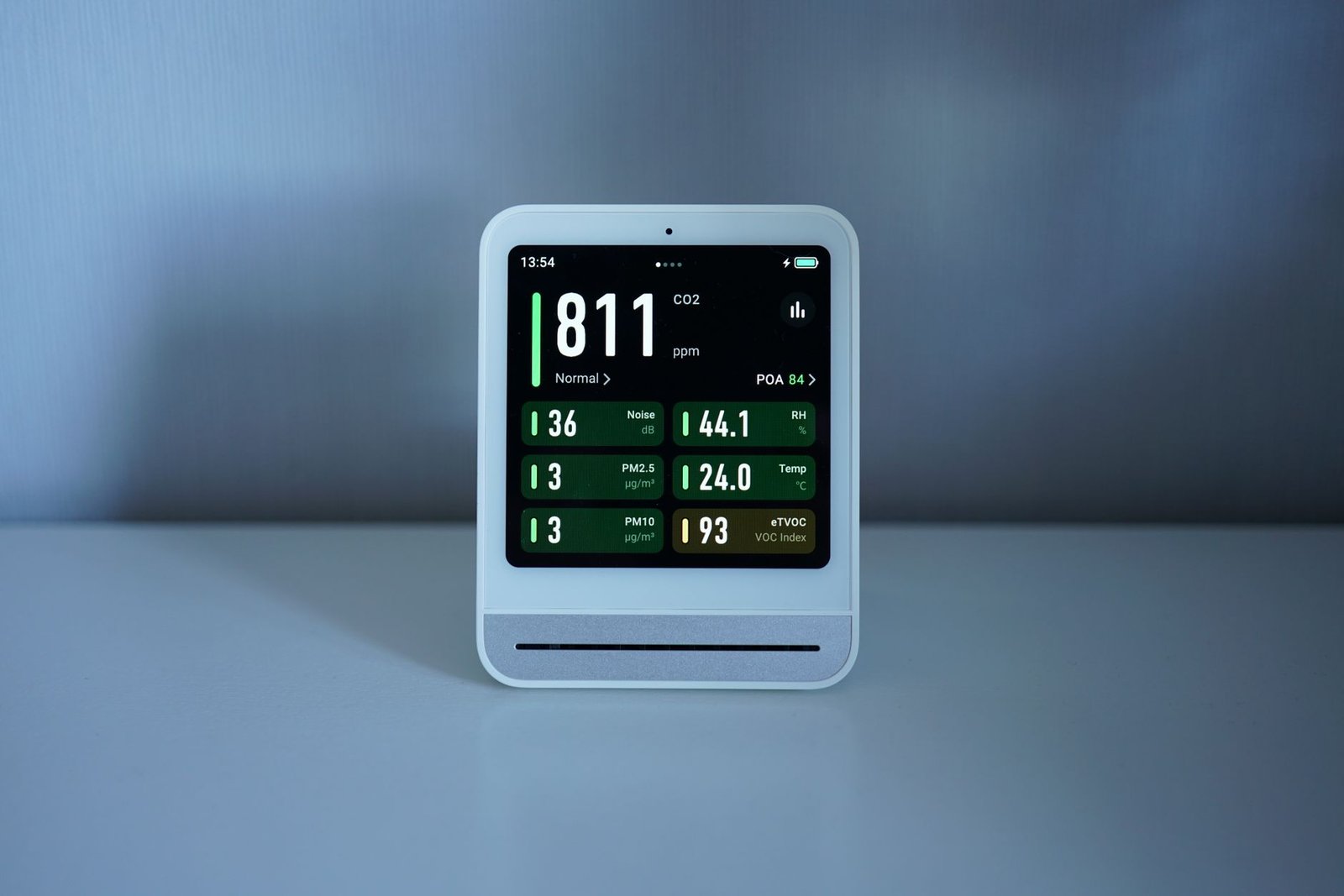
A healthy home is often perceived as a clean and orderly space, yet an invisible threat can undermine well-being: indoor air pollution. Indeed, the residential environment can significantly impact occupant health, and this article will delve into seven unexpected sources of indoor air pollutants, providing actionable mitigation strategies tailored for 2026.
Understanding and addressing these subtle yet pervasive elements is crucial for fostering a truly comfortable and health-supportive dwelling in the modern era.
The Evolving Landscape of Indoor Air Quality in 2026
Indoor Air Quality (IAQ) has ascended as a paramount concern in domestic comfort and wellness. As of 2026, advancements in building science, smart home technology, and material innovation have paradoxically introduced new challenges alongside solutions. Tighter building envelopes, designed for energy efficiency, can inadvertently trap pollutants. Simultaneously, increased awareness of environmental health drives demand for proactive solutions, making the identification and mitigation of indoor air threats a cornerstone of contemporary home design and maintenance.
The Invisible Threat: A Holistic Approach
The traditional focus on outdoor air pollution often overshadows the complex cocktail of contaminants present within residential structures. From volatile organic compounds (VOCs) to particulate matter and biological agents, the indoor environment requires a holistic approach, especially as residences become more integrated with technology and specialized materials. The emphasis for 2026 is not merely on ventilation, but on understanding material provenance, lifestyle impacts, and leveraging smart diagnostics.
7 Unexpected Indoor Air Pollutants & Contemporary Solutions
Identifying these less obvious culprits is the first step toward creating a truly healthy living space.
1. Off-gassing from Smart Home Devices & Low-VOC Electronics
While enhancing convenience, the proliferation of smart home devices, televisions, and personal electronics introduces a new class of emitters. Many components, including plastics, circuit boards, and adhesives, can off-gas VOCs, phthalates, and brominated flame retardants (BFRs) into the air, particularly when new or heated during operation.
- 2026 Fixes: When acquiring new electronics, prioritize products certified with low-VOC emissions, such as those meeting stringent GreenGuard Gold or equivalent 2026 industry standards. Ensure adequate ventilation in spaces with numerous devices. Regular dusting helps remove settled particulate matter that might carry these chemicals.
2. Microplastics from Textiles & Furnishings
Synthetic textiles, prevalent in modern carpeting, upholstery, and clothing, are significant sources of airborne microplastics. These minute fibers shed continuously, becoming suspended in the air and potentially inhaled or ingested by residents. The long-term health implications are still being studied, but their presence is undeniable.
- 2026 Fixes: Opt for natural fiber alternatives like organic cotton, wool, linen, or hemp for furnishings and textiles where feasible. Utilize HEPA-filtered air purifiers, which are increasingly efficient at capturing ultrafine particles. Regular, gentle vacuuming with HEPA-equipped cleaners and minimizing agitation of synthetic fabrics can reduce shedding.
3. Bioaerosols from Advanced Humidifiers & Indoor Gardens
The trend towards biophilic design and optimized indoor humidity is generally beneficial. However, poorly maintained advanced humidifiers or intricate vertical gardens can become breeding grounds for mold spores, bacteria, and other bioaerosols. These can lead to respiratory issues, allergies, and other health concerns if allowed to proliferate.
- 2026 Fixes: Implement strict maintenance protocols for humidifiers, including daily water changes and weekly deep cleaning with appropriate sanitizers. For indoor gardens, ensure proper drainage, air circulation, and use inert growing media where possible. Smart humidity sensors linked to ventilation systems can help maintain optimal levels, preventing excessive moisture.
4. VOCs from “Green” Cleaning Products & Diffusers
Many products marketed as