
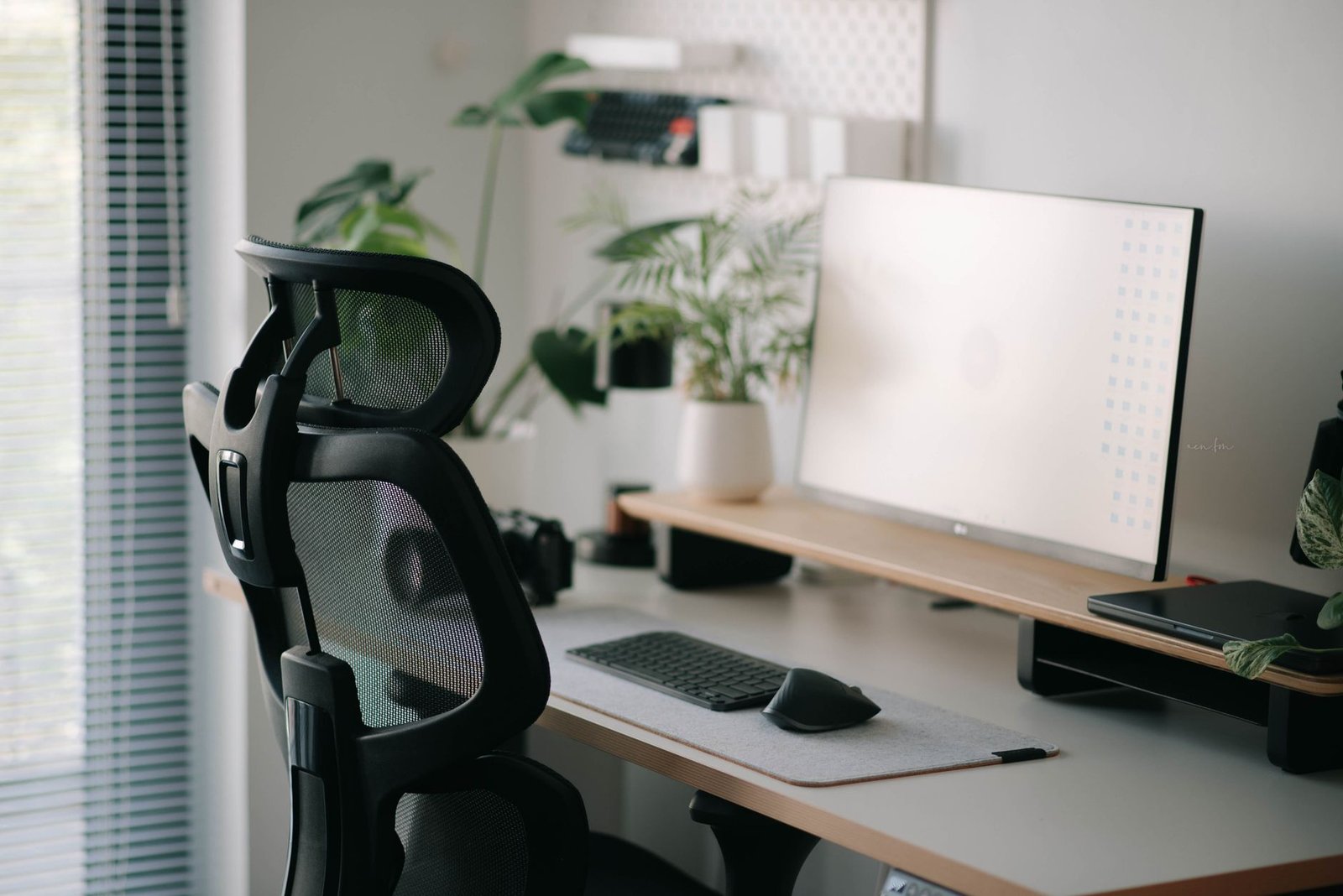
The Evolving Landscape of Home Office Seating in 2026
As remote work models solidify and home offices become permanent fixtures, the question of optimal seating remains paramount. For homeowners considering a productivity and wellness enhancement, evaluating ergonomic chairs against standard office chairs is crucial. In 2026, the upgrade to an ergonomic chair is demonstrably worthwhile for many, especially when considering advancements in design, material science, and personalized health benefits that standard chairs simply cannot offer.
Understanding Ergonomic Chairs in 2026: Beyond Basic Comfort
Modern ergonomic chairs are engineered to support the body’s natural posture, reducing strain and promoting long-term health. In 2026, these chairs integrate cutting-edge technology and sustainable materials, pushing beyond mere adjustability to offer a truly personalized seating experience.
Health and Wellness Benefits for the Homeowner
The primary advantage of ergonomic chairs lies in their capacity to mitigate the health risks associated with prolonged sitting. Residents spending significant hours at a desk will find substantial benefits:
- Posture Support: Advanced lumbar support, often dynamic or AI-driven in 2026 models, molds to the spinal curve, preventing slouching and maintaining the spine’s natural S-shape.
- Reduced Pain: By distributing body weight evenly and supporting key pressure points, ergonomic chairs significantly lessen back, neck, and shoulder pain, common complaints among desk-bound individuals.
- Improved Circulation: Features like waterfall seat edges and adjustable seat depths prevent pressure on the thighs, promoting healthy blood flow and reducing the risk of discomfort or serious conditions.
- Enhanced Focus and Productivity: With comfort and proper support, the user experiences less distraction from physical discomfort, leading to improved concentration and overall work efficiency.
- Long-Term Health Investment: Preventing chronic musculoskeletal issues offers considerable long-term health and financial benefits, reducing the need for costly physical therapy or medical interventions.
Advanced Features and Materials in 2026
The ergonomic chairs of today are a far cry from their predecessors. Material science and smart technology have converged to create sophisticated seating solutions:
- Adaptive Lumbar Systems: Many 2026 models feature AI-powered lumbar support that senses movement and adjusts in real-time to maintain optimal spinal alignment.
- Sustainable Bio-Composites: A growing trend is the use of recycled ocean plastics, plant-based polymers, and breathable mesh fabrics made from sustainable sources, offering both environmental responsibility and superior comfort.
- Smart Pressure Distribution: Integrated sensors in the seat pan and backrest can identify pressure points and subtly adjust internal air cells or cushioning, optimizing comfort and reducing fatigue.
- Modular Design: Leading brands are offering modular components, allowing homeowners to replace individual worn parts or upgrade features without purchasing an entirely new chair, enhancing longevity and sustainability.
- Connectivity and Personalization: Some high-end ergonomic chairs can connect to companion apps, allowing users to fine-tune settings, track sitting patterns, and receive posture correction prompts.
The Case for Standard Office Chairs
Standard office chairs, while lacking the specialized engineering of ergonomic models, still hold a place in the market, particularly for certain use cases.
Affordability and Basic Functionality
The primary appeal of a standard office chair is its lower initial cost. For residents who use their home office infrequently or for very short durations, a basic chair might seem sufficient. These chairs typically offer fundamental adjustments such as seat height and sometimes basic tilt, providing a stable surface for sitting. They often come in a wider variety of aesthetic designs at lower price points, which can be appealing for those prioritizing decor over ergonomic performance.
Cost-Benefit Analysis and Making the Decision
The decision to upgrade hinges on a thoughtful evaluation of investment versus return, particularly concerning health and productivity.
Assessing Individual Needs and Usage
For a resident who spends four or more hours daily in their home office, an ergonomic chair is not merely a luxury but a crucial health investment. The cumulative strain of improper seating over months and years can lead to significant discomfort and potential chronic health issues. For occasional use, such as checking emails for an hour a day, a standard chair might suffice, though even then, superior support is always beneficial.
The Long-Term Investment Perspective
While ergonomic chairs carry a higher upfront cost, typically ranging from $500 to $2000+ for premium 2026 models, this expenditure should be viewed as an investment in the user’s health, comfort, and productivity. Considering the potential costs of chiropractic visits, physical therapy, or lost productivity due to discomfort, the ergonomic chair often presents a more cost-effective solution over its lifespan. Many ergonomic chairs come with robust warranties (5-12 years), reflecting their durability and quality construction, a stark contrast to standard chairs that may require frequent replacement.
Comparing Durability and Sustainability
High-quality ergonomic chairs are built to last, utilizing durable frames, high-density foams, and resilient fabrics designed for years of consistent use. The aforementioned modular designs further extend their lifespan and reduce waste. Standard chairs, by contrast, often use cheaper materials that degrade faster, leading to more frequent replacements and contributing to environmental impact.
Conclusion: The Worthwhile Upgrade in 2026
For the conscientious homeowner establishing or refining a 2026 home office, the upgrade from a standard office chair to an ergonomic model is unequivocally worthwhile. The advancements in health support, integrated technology, and sustainable material innovation offer unparalleled benefits for comfort, productivity, and long-term well-being. While the initial investment is higher, the returns in terms of reduced physical strain, increased focus, and a healthier lifestyle make it a prudent decision for any resident committed to optimizing their domestic workspace.