
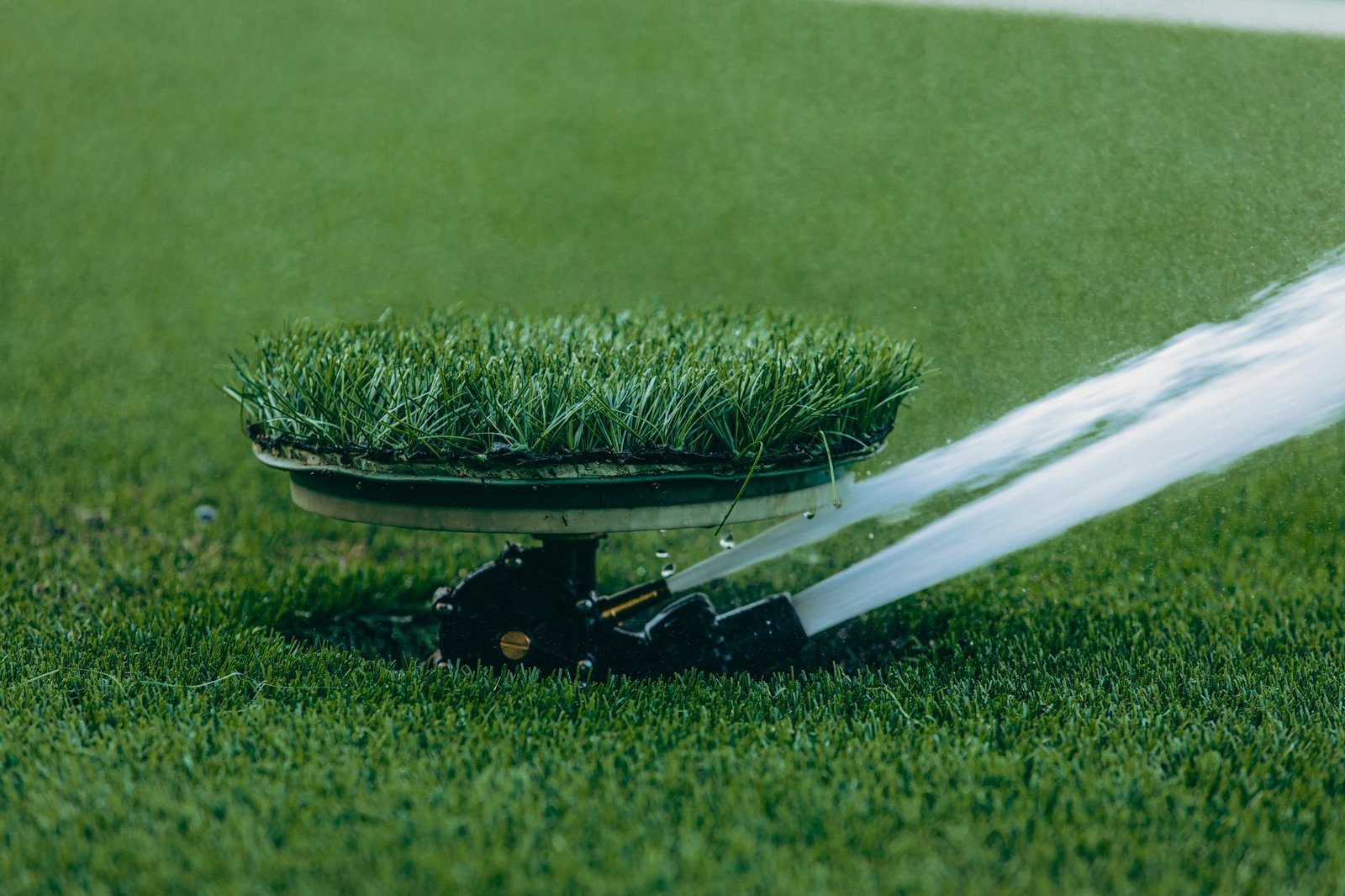
The quest for efficient landscape management and significant utility bill reductions leads many homeowners to intelligent irrigation solutions. In 2026, determining the optimal smart sprinkler system for water savings involves evaluating cutting-edge AI, hyper-local weather integration, and advanced sensor technologies. The top contenders effectively balance precision watering with robust, user-friendly control, offering unparalleled efficiency for modern landscapes.
The Evolution of Smart Irrigation in 2026
The landscape of smart home solutions continues its rapid expansion, with irrigation systems at the forefront of sustainable innovation. In 2026, the technology has transcended basic scheduling, integrating sophisticated algorithms and data streams to redefine water conservation.
AI-Driven Predictive Analytics
Modern smart sprinkler systems leverage artificial intelligence to a remarkable degree. These platforms analyze historical weather patterns, real-time hyper-local forecasts (often down to specific property addresses), soil composition, plant types, and even evapotranspiration rates to predict precise watering needs. This eliminates guesswork, ensuring landscapes receive exactly the hydration required, minimizing runoff and waste. AI-powered systems continuously learn and adapt, optimizing schedules based on observed plant health and water absorption.
Hyper-Local Weather Integration
Gone are the days of relying on regional weather stations. 2026’s leading systems integrate with micro-weather sensors positioned on the property or utilize advanced satellite and ground-based radar data to achieve hyper-local accuracy. This allows for immediate adjustments to irrigation schedules, skipping watering cycles during unexpected rainfall or increasing duration during localized heat spikes, preventing overwatering and promoting deep root growth.
Sustainable Hardware Developments
Beyond software, the hardware itself has seen significant advancements. 2026 introduces more durable, UV-resistant composites for sprinkler heads and controller casings, often incorporating recycled or bio-based plastics. Sensor technologies now boast extended battery lives, with some prototypes utilizing kinetic or mini-solar charging for near-perpetual operation. These material innovations contribute to the longevity and reduced environmental footprint of the entire system.
Top Smart Sprinkler Systems for 2026
For homeowners prioritizing water conservation, several systems stand out for their advanced features and proven efficiency in 2026.
Rachio 5E Series
The Rachio 5E Series remains a perennial favorite, further refining its “Weather Intelligence Plus” capabilities in 2026. This system excels at utilizing ultra-precise weather data and offers extensive customization for up to 16 zones. Its intuitive app interface allows for detailed zone-by-zone programming, considering soil type, plant type, sun exposure, and slope. The 5E introduces enhanced flow sensor compatibility and even smarter leak detection, providing immediate alerts to the homeowner for unexpected water usage anomalies. The inclusion of new, more robust, recycled composite materials in its controller housing reflects a commitment to sustainability.
Rain Bird LIA-Pro (Landscape Intelligence AI-Pro)
Rain Bird’s LIA-Pro emerges as a powerful contender, particularly for larger and more complex landscapes. Its strength lies in its industrial-grade sensors and an AI engine that offers unparalleled predictive modeling. The LIA-Pro can integrate with a wider array of third-party soil moisture, pH, and nutrient sensors, providing a holistic view of landscape health. Its advanced analytics can even suggest optimal fertilization schedules based on observed plant growth and nutrient uptake. The system’s modular design ensures scalability and future-proofing, with components designed for easy upgrades.
HydroSense AI-Duo
The HydroSense AI-Duo focuses on hyper-efficiency for residential properties. This system distinguishes itself with a dual-sensor approach, combining integrated property-specific weather monitoring with wireless, distributed soil moisture sensors. This synergy allows for pinpoint accuracy in watering, often reducing water consumption by up to 50% compared to traditional timers. The AI-Duo’s learning algorithm is particularly aggressive in finding the minimum water required for optimal plant health, adapting daily. Its compact design and simplified installation process make it an attractive option for the tech-savvy homeowner seeking immediate savings.
Key Features for Maximizing Water Savings
While specific models offer unique benefits, several core features are paramount for any smart sprinkler system aimed at significant water conservation.
Real-time Data and Hyper-Local Adjustments
The ability to access and react to live data is crucial. Systems that pull hyper-local weather feeds, integrate with on-site rain sensors, and connect with soil moisture probes can automatically adjust schedules to prevent overwatering, respond to unexpected rain, or compensate for dry spells. This dynamic scheduling is the cornerstone of water efficiency.
Zone Customization and Specificity
Different areas of a landscape have different needs. A premium smart sprinkler system allows for granular control over each irrigation zone, accounting for varying plant types (e.g., drought-tolerant succulents vs. water-loving annuals), sun exposure, soil conditions (clay vs. sandy loam), and slope. This prevents uniform watering, which inevitably leads to over or under-watering in specific areas.
Proactive Leak Detection and Alerts
Even small leaks can waste thousands of gallons of water annually. Advanced smart systems now incorporate flow sensors and pressure monitoring to detect unusual water usage patterns indicative of a leak or a broken pipe. Immediate alerts to the homeowner enable swift intervention, preventing significant water loss and potential property damage.
Remote Management and Monitoring
Accessing and controlling the irrigation system from anywhere via a smartphone or web interface is a standard expectation in 2026. This allows the homeowner to pause watering during an unexpected downpour while away, troubleshoot issues, or manually activate a zone as needed. Robust app design and connectivity are key for seamless management.
Integration with Smart Home Ecosystems
The best systems seamlessly integrate with broader smart home platforms (e.g., Matter, Home Assistant). This allows for consolidated control and automation, where the sprinkler system can respond to other environmental sensors, home energy management data, or even user presence for truly optimized operation.
Energy Efficiency
Beyond water, modern smart controllers are designed with energy consumption in mind. Low-power wireless communication protocols and efficient internal components reduce the electrical footprint of the system, adding to overall utility savings.
Installation and Integration Considerations
While many smart sprinkler controllers are designed for straightforward DIY installation, professional installation can ensure optimal sensor placement, zone calibration, and seamless integration with existing irrigation infrastructure. Compatibility with current sprinkler valves and wiring is generally high, but verifying these details before purchase is always recommended. For advanced features like multiple soil sensors or flow meters, professional setup can maximize their accuracy and benefit.
Future-Proofing Landscape Irrigation
Investing in a high-quality smart sprinkler system in 2026 is an investment in long-term sustainability and cost savings. As climate patterns continue to shift and water conservation becomes increasingly critical, these intelligent systems will play an ever more vital role in maintaining healthy, vibrant landscapes while significantly reducing environmental impact and utility expenses. The continuous evolution of AI, sensor technology, and sustainable materials ensures that today’s leading systems are well-equipped to adapt to tomorrow’s challenges.