
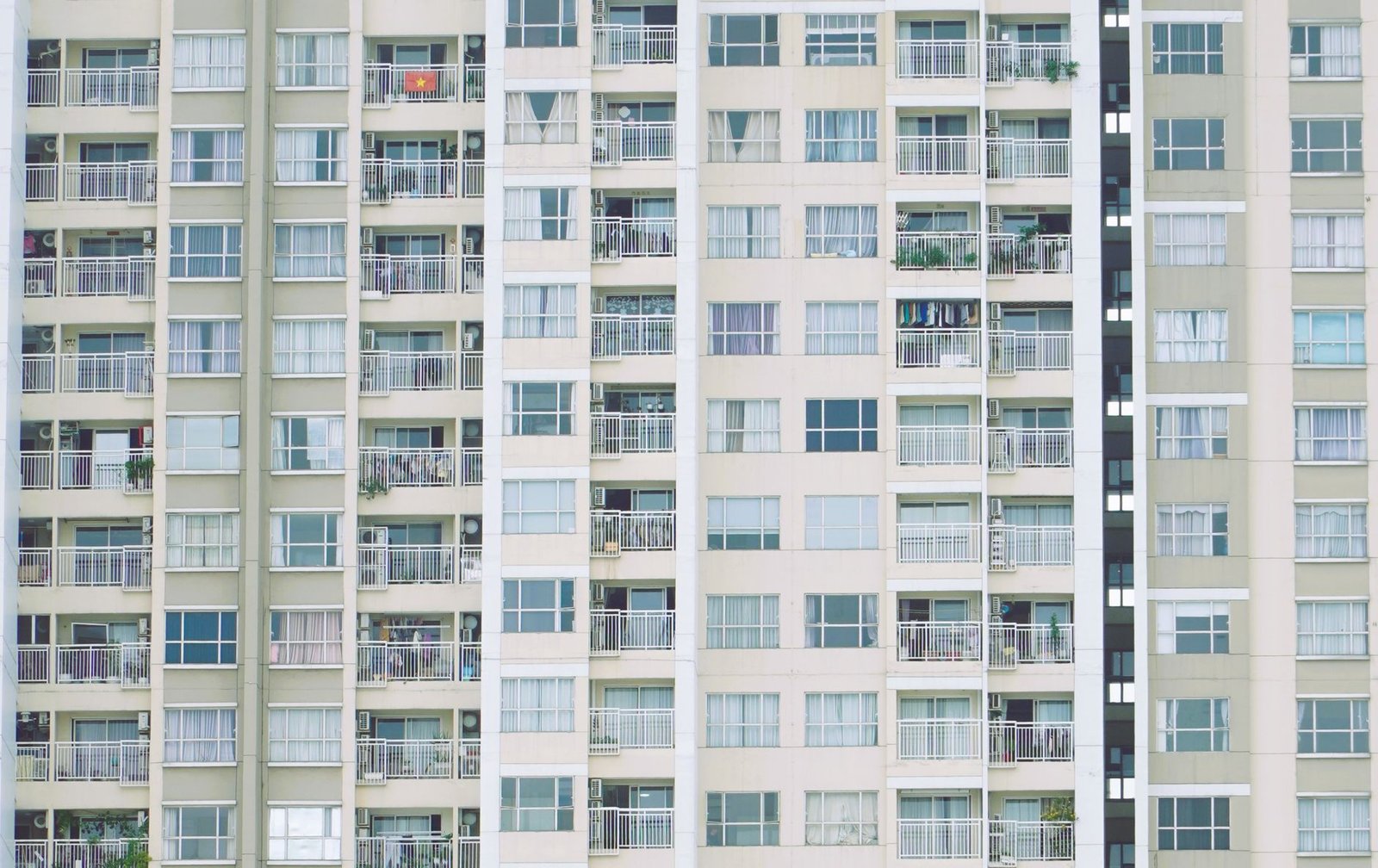
The quest for domestic tranquility in apartment living often encounters a significant obstacle: noise from adjacent residences. Disturbances from neighbors, whether airborne conversational sounds or impact noise from footsteps, can severely diminish comfort and overall well-being. Fortunately, achieving a quieter living space does not require extensive renovations or a large budget. In 2026, innovative materials and widely accessible strategies offer apartment dwellers practical and affordable methods to significantly reduce unwanted noise, transforming a noisy environment into a peaceful sanctuary.
Understanding Apartment Noise & 2026 Trends
Effective soundproofing begins with comprehending how noise travels. Noise typically propagates through two main channels: airborne sound and impact sound. Airborne sound, such as voices, music, or television, travels through the air and enters a living space through gaps, cracks, thin walls, windows, and doors. Impact sound, conversely, is generated by direct physical contact with a structure, like footsteps, dropped objects, or vibrating appliances, and travels through the building’s solid materials.
The year 2026 sees a heightened focus on holistic home wellness, where acoustic comfort plays a pivotal role. Industry trends include the democratization of advanced acoustic materials, with more budget-friendly and aesthetically pleasing options becoming available. There is also an increased integration of smart home technologies for personalized soundscapes and a strong emphasis on sustainable, low-VOC (Volatile Organic Compound) soundproofing solutions. Residents are increasingly seeking solutions that are not only effective but also align with eco-conscious living and contribute to an overall healthier indoor environment.
Practical & Affordable Soundproofing Strategies
Implementing targeted solutions can significantly mitigate noise intrusion. Here are seven budget-friendly ways for the apartment dweller to enhance their acoustic privacy:
-
Seal Gaps Around Doors and Windows
One of the most common entry points for airborne noise is through unsealed gaps around doors and windows. Weatherstripping, easily applied to door and window frames, creates an effective barrier. Door sweeps, installed at the bottom of doors, close the gap between the door and the floor. For smaller cracks in walls or around window frames, an acoustic caulk, featuring advanced flexible polymers in 2026 formulations, provides excellent sound isolation. These methods are remarkably cost-effective and provide immediate improvements by blocking direct sound paths.
-
Strategic Furniture Placement
The strategic arrangement of furniture can act as a natural sound barrier. Placing large, dense items such as bookshelves filled with books, wardrobes, or heavy cabinets against shared walls can significantly absorb and block sound waves. These items add mass and density, helping to decouple sound transmission through the wall. Maximizing the surface area covered by such furniture enhances its effectiveness.
-
Heavy Drapes and Rugs
Textiles are excellent sound absorbers, reducing reverberation and dampening airborne noise. Thick, floor-to-ceiling drapes, especially those made from heavy, layered, or insulated fabrics, can absorb sound entering through windows and reduce echo within the room. Similarly, area rugs with thick padding on hard floors absorb impact noise and airborne sound. Modern acoustic rugs, often made from recycled synthetic fibers, are increasingly available at affordable price points in 2026, offering superior sound absorption without compromising aesthetics.
-
DIY Acoustic Panels
Custom-made acoustic panels offer a highly effective and budget-friendly solution for sound absorption. Materials such as moving blankets, recycled felt, dense foam, or even thick cork panels can be framed and mounted on shared walls. These panels scatter and absorb sound waves, preventing them from reflecting off hard surfaces and reducing overall noise levels. Numerous online tutorials and readily available material kits make this a straightforward project for the resident.
-
Wall Decor for Absorption
Beyond DIY panels, other forms of wall decor can contribute to sound absorption. Large tapestries, quilted wall hangings, or framed acoustic artwork can add both aesthetic appeal and functional sound dampening. The varied textures and depths of these items help break up sound waves. In 2026, a wider selection of visually appealing, budget-conscious acoustic wall panels, designed to blend seamlessly with various interior styles, has become more accessible, offering both sound absorption and decorative value.
-
Utilize White Noise and Sound Masking
While not strictly soundproofing, white noise and sound masking techniques are highly effective at making intrusive noises less noticeable. White noise machines, dedicated sound generators, or even ambient soundscape apps can generate a consistent, low-level sound that masks sudden or inconsistent external noises. Many 2026 smart home systems offer integrated sound masking features, allowing personalized acoustic environments to be created for different times of the day or activities.
-
Targeted Door Enhancements
Doors, particularly hollow-core apartment doors, are often weak points for sound transmission. Enhancements can include applying mass-loaded vinyl (MLV) panels to the door surface (which can be covered with fabric for aesthetics). Installing a heavier, solid-core door is ideal but often not budget-friendly or landlord-approved. As an alternative, temporary soundproofing blankets or specialized acoustic door curtains can be hung over the door to add mass and absorption, significantly reducing sound leakage through this common vulnerability.
Enhancing Comfort Beyond Sound Reduction
While soundproofing addresses a critical aspect of domestic comfort, a holistic approach to wellness encompasses more than just noise reduction. Creating a truly peaceful living environment also involves mindful consideration of other elements. Controlling natural light with layered window treatments, ensuring good indoor air quality with air purifiers and proper ventilation, and incorporating biophilic design elements such as indoor plants can further enhance the sanctuary-like feel of a residence. Even small succulents or a miniature herb garden can contribute to a sense of calm and connection to nature. By combining acoustic solutions with these broader comfort strategies, the apartment dweller can cultivate an environment that nurtures both the ears and the spirit, fostering a deeper sense of peace and well-being within their home.
Conclusion
Achieving a tranquil apartment environment, despite noisy neighbors, is entirely within reach for the budget-conscious resident in 2026. By systematically addressing common sound transmission points and utilizing readily available materials, a significant reduction in unwanted noise can be realized. From sealing gaps and strategically placing furniture to employing advanced textiles and digital sound masking, the methods outlined provide practical pathways to greater acoustic comfort. The individual’s proactive efforts in implementing these budget-friendly soundproofing solutions will not only mitigate external disturbances but also cultivate a personal sanctuary, allowing for enhanced relaxation, focus, and overall domestic serenity.