The contemporary home’s embrace of wellness spaces has elevated the bathroom from a purely functional area to a sanctuary of rejuvenation. In 2026, luxury bathroom transformations are centered on crafting residential spa environments that blend exquisite aesthetics with cutting-edge functionality. This evolution reflects a growing desire for personal havens, where design principles converge with advanced material science to create unparalleled comfort and enduring beauty. The journey to a truly transformative spa-like bathroom involves meticulous consideration of foundational elements, fixture choices, and long-term durability, all while integrating contemporary trends.
Foundations of Opulence: Natural Stone Integration
Natural stone remains a cornerstone of luxury design, its inherent beauty and timeless appeal unmatched. For 2026, the application of natural stone in residential spa spaces is characterized by a sophisticated interplay of texture, pattern, and scale, aiming to create a seamless, cohesive aesthetic.
Selecting Premium Stone Varieties and Applications
- Marble: Revered for its elegant veining and luminous quality, marble continues to be a premium choice. Varieties such as Statuario and Calacatta offer distinct visual narratives. In 2026, highly polished finishes are complemented by honed and leathered options for a softer, more tactile experience.
- Quartzite: Offering the visual depth of marble with enhanced durability, quartzite is increasingly popular. Its resistance to scratching and etching makes it an excellent choice for high-traffic surfaces like countertops and shower walls.
- Travertine and Limestone: These stones provide a warm, earthy palette. Modern applications often feature large-format tiles and slabs with filled and honed finishes for a smooth, continuous surface.
Structural guidelines for natural stone integration emphasize thoughtful placement and expert installation. Large-format slabs are a prevailing trend, minimizing grout lines for a luxurious, expansive feel on floors and walls. Bookmatching, where two consecutive slabs are placed side-by-side to mirror their patterns, creates stunning visual symmetry, often employed on feature walls or behind freestanding tubs. For countertops and vanities, thick stone slabs with waterfall edges or integrated sinks offer a sculptural, refined look. Sustainability in sourcing is a significant trend for 2026, with homeowners increasingly prioritizing ethically quarried stone from transparent supply chains.
The Art of Bathing: Freestanding Fixtures as Focal Points
At the heart of any residential spa is the bathing experience, elevated by the sculptural presence of freestanding fixtures. These pieces serve not only a functional purpose but also act as central artistic elements within the bathroom’s design narrative.
Curating the Ideal Freestanding Tub
A freestanding tub is often the focal point, inviting relaxation. Selection involves considering material, ergonomics, and placement:
- Materials: Solid surface composites offer sleek, minimalist designs, excellent heat retention, and a smooth, non-porous finish. Cast iron provides exceptional durability, while copper or nickel can offer a bold statement.
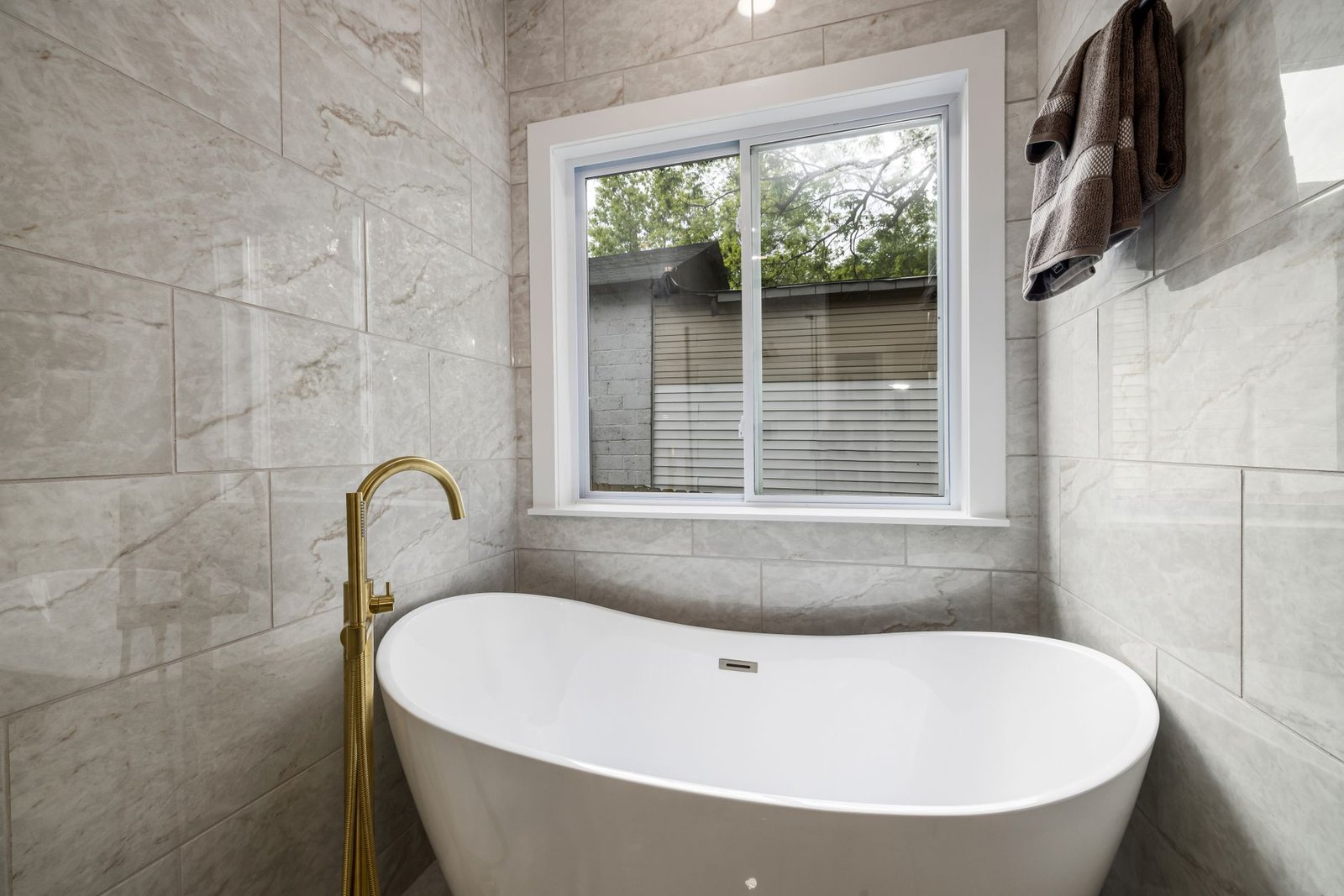
- Placement: A freestanding tub demands space to breathe. Placing it centrally, by a window, or against an accent wall maximizes its visual impact. Integrated floor-mounted or wall-mounted fillers complement the tub’s aesthetic without cluttering its profile.
Elevated Shower Experiences
Modern luxury showers transcend mere functionality, becoming immersive sensory experiences. 2026 trends emphasize expansive, barrier-free designs and advanced technology.
- Walk-in Showers: Featuring seamless entry, large glass panels (often frameless), and linear drains, these showers create an open, airy feel. Built-in benches, often clad in natural stone, enhance comfort.
- Smart Controls and Features: Digital controls for temperature, water flow, and duration are standard. Touchless operation and voice-activated systems are increasingly prevalent for enhanced hygiene and convenience. Oversized rainheads, waterfall spouts, and adjustable body jets offer customizable hydrotherapy.
Matte finishes for fixtures – including faucets, showerheads, and towel warmers – are a strong 2026 trend, particularly in matte black, brushed nickel, and muted brass, providing a sophisticated, understated elegance.
Engineered for Enduring Serenity: Moisture Management and Advanced Materials
Beyond aesthetics, the longevity and integrity of a residential spa space hinge on robust moisture management. Employing advanced moisture-resistant elements is crucial to prevent issues such as mold, mildew, and structural damage.
Comprehensive Waterproofing Solutions
The foundation of a durable wet room lies in comprehensive waterproofing. Modern techniques utilize multi-layered systems:
- Liquid-Applied and Sheet Membranes: These flexible, seamless coatings or pre-fabricated sheets are applied to shower pans, walls, and flooring before tiling, creating an impenetrable barrier.
- Sealing and Grouting: Epoxy grouts and high-performance sealants are favored for their superior water resistance and stain protection.
Hydrophobic coatings are an emerging 2026 trend, applied to glass, tiles, and even stone surfaces to repel water, minimize spotting, and simplify cleaning.
Optimal Ventilation and Durable Material Selections
Effective ventilation is paramount in controlling humidity and maintaining air quality. High-CFM exhaust fans, often with humidity-sensing capabilities, ensure rapid removal of moist air. Energy Recovery Ventilators (ERVs) or Heat Recovery Ventilators (HRVs) integrate with the home’s HVAC for larger luxury bathrooms.
Choosing materials that inherently resist moisture and wear ensures lasting beauty:
- Porcelain Tiles: With extremely low water absorption rates, porcelain is ideal for all wet areas. Large-format porcelain slabs, mimicking natural stone, are a popular 2026 choice.
- Antimicrobial Surfaces: A significant 2026 development includes materials with integrated antimicrobial properties, such as certain solid surface composites and treated ceramics, which inhibit the growth of bacteria and mold.
- Self-Cleaning Glass: Specialized coatings on shower glass reduce water spots and soap scum, simplifying maintenance.
Cultivating Ambiance: Lighting, Technology, and Sensory Details
To truly achieve a residential spa, the sensory experience must be meticulously curated through intelligent lighting, integrated technology, and thoughtful ambiance.
Sophisticated Layered Lighting Design
A layered approach to lighting is essential for transforming mood and functionality:
- Task Lighting: Bright, shadow-free illumination at the vanity mirror, often via integrated LED lighting or sconces.
- Ambient Lighting: Recessed dimmable LED downlights provide general illumination with warm color temperatures.
- Accent Lighting: LED strips under floating vanities or behind freestanding tubs add drama.
- Circadian Lighting: A 2026 wellness trend involves systems that mimic natural daylight cycles, adjusting color temperature and intensity to support the resident’s natural rhythm.
Integrated Smart Technologies and Sensory Enhancements
Smart technology enhances convenience, comfort, and personalization:
- Smart Mirrors: Featuring integrated displays for information, defogging functions, and adjustable lighting.
- Voice-Activated Controls: Managing lighting, temperature, music, and shower settings through voice commands offers ultimate hands-free convenience.
- Automated Privacy Glass: Electrochromic glass offers instant privacy for windows overlooking outdoor spaces.
The final touches create the spa atmosphere:
- Biophilic Design: Integrating living plants or natural elements like river stones brings a sense of the outdoors in, promoting calm.
- Aromatherapy: Built-in diffusers or dedicated spaces for essential oil diffusers can infuse the air with calming scents.
- Natural Textures: Plush bath mats, soft towels, and tactile wall finishes contribute to a luxurious sensory experience.
- Minimalist Aesthetics: Clean lines, decluttered surfaces, and intelligent storage solutions maintain a serene environment.
Transforming a bathroom into a residential spa for 2026 is an intricate process that marries sophisticated design with advanced engineering. By carefully selecting natural stone, embracing the elegance of freestanding fixtures, ensuring robust moisture resistance, and integrating intelligent technology and sensory details, the homeowner can create an enduring haven of luxury and wellness. This holistic approach ensures not just a beautiful space, but one that enhances daily living and stands the test of time.