
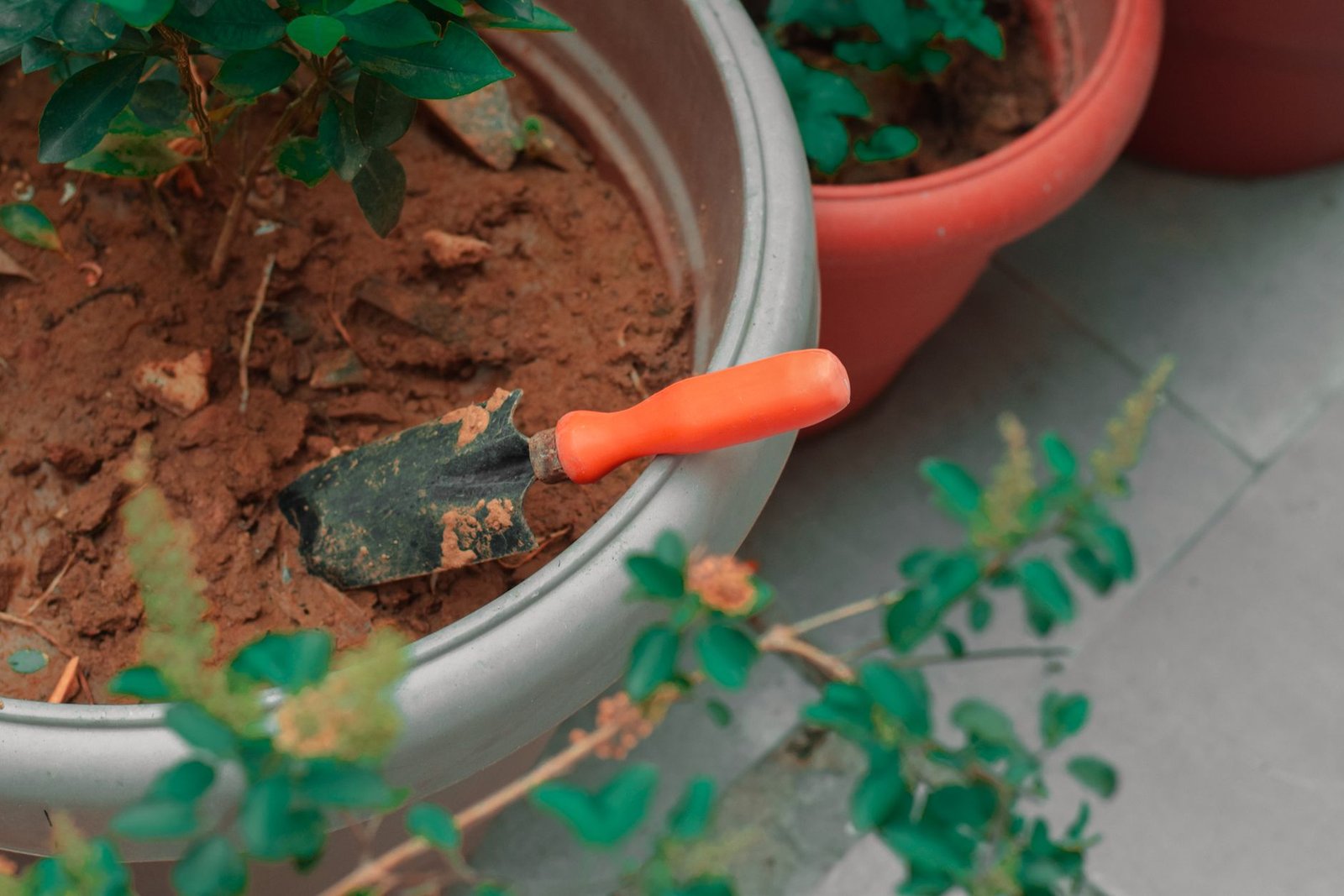
In 2026, the optimal potting soil for container gardening is not a single universal blend, but rather a carefully selected formulation tailored to specific plant needs, incorporating sustainable components and advanced nutrient delivery systems. Modern trends emphasize blends with superior drainage, aeration, and extended nutrient availability, often featuring bio-active amendments for enhanced plant vigor and resilience. Understanding these contemporary developments is crucial for any resident aiming for flourishing container displays.
Understanding Potting Soil in 2026: Modern Trends and Innovations
The landscape of potting soil has significantly evolved, moving beyond traditional peat-heavy mixtures to embrace more eco-conscious and high-performance solutions. The focus in 2026 is on blends that not only support plant health but also contribute to environmental stewardship and offer long-term benefits.
The Shift Towards Sustainable Substrates
Environmental concerns have driven a considerable shift away from peat moss as the primary base. While effective, peat harvesting has environmental implications. In 2026, coconut coir has become a dominant and preferred alternative, prized for its excellent water retention, aeration, and renewability. Composted forest products, such as pine bark and wood fines, also feature prominently, offering good structure and drainage. Biochar, a charcoal-like substance made from biomass, is increasingly integrated into premium potting mixes. It improves soil structure, enhances water and nutrient retention, and contributes to carbon sequestration, making it a highly valued component in sustainable gardening practices.
Advanced Nutrient Delivery and Bio-Enhancements
Modern potting soils are no longer inert mediums; they are engineered ecosystems. Many 2026 formulations incorporate slow-release organic fertilizers that provide a steady supply of nutrients over several months, reducing the need for frequent feeding. Bio-enhancements are also standard. Mycorrhizal fungi form symbiotic relationships with plant roots, expanding their reach for water and nutrients, while beneficial bacteria improve nutrient cycling and disease suppression. Biodegradable water retention crystals, designed to break down naturally over time without leaving harmful residues, are also being integrated into specialized blends to minimize watering frequency, particularly beneficial for busy homeowners or those in drier climates.
Key Components of Superior Potting Soil Blends
A high-quality potting mix is a composite of several key ingredients, each serving a vital function to create an ideal growing environment within a confined container. The right balance ensures proper aeration, moisture management, and nutrient availability.
Base Substrates
- Coconut Coir: An excellent, sustainable alternative to peat. It retains water well, provides good aeration, and has a neutral pH.
- Composted Bark/Wood Fines: Offers structure, improves drainage, and breaks down slowly, releasing minor nutrients.
- Perlite: Lightweight, porous volcanic rock that significantly improves aeration and drainage, preventing compaction.
- Vermiculite: A hydrated mineral that retains both water and nutrients, releasing them gradually to plant roots. It also aids in aeration.
Nutrient and Health Enhancers
- Worm Castings: A rich, organic fertilizer packed with beneficial microbes, enzymes, and essential nutrients.
- High-Quality Compost: Provides a slow release of nutrients and introduces beneficial microorganisms, enhancing soil health.
- Mycorrhizal Fungi Inoculants: Essential for boosting root development and nutrient uptake, leading to stronger, healthier plants.
- Biochar: Improves soil structure, water retention, and nutrient availability while sequestering carbon.
- Slow-Release Fertilizers: Encapsulated nutrients that break down over time, providing continuous feeding for several months.
pH Adjusters
Maintaining the correct pH is critical for nutrient availability. Most general-purpose potting soils aim for a slightly acidic to neutral range (pH 6.0-7.0). For specific plants, adjustments may be necessary. Agricultural lime can increase pH, while elemental sulfur or specific acidic composts can lower it, catering to the precise needs of various species.
Tailoring Soil for Specific Plant Types
No single potting mix is universally ideal for every plant. Optimizing plant health requires understanding the specific environmental needs of different species and matching them with a suitable soil blend.
General Purpose Blends
For most annuals, perennials, common vegetables, and herbs, a well-balanced, general-purpose potting mix is suitable. These blends typically feature a good proportion of coconut coir or composted materials for moisture retention, combined with perlite or vermiculite for drainage and aeration. They often include a starter dose of slow-release fertilizer and beneficial microbes.
Moisture-Loving Plants
Plants that prefer consistently moist soil, such as ferns, impatiens, and many tropical varieties, benefit from mixes with a higher percentage of moisture-retaining components. Increased coconut coir, compost, and potentially a small amount of biodegradable water retention granules help maintain an even moisture level without becoming waterlogged.
Drought-Tolerant and Succulents/Cacti
These plants demand exceptional drainage and aeration to prevent root rot. Specialized mixes for succulents and cacti are characterized by a very high proportion of inorganic materials like coarse sand, pumice, perlite, or grit, alongside a minimal amount of organic matter. This ensures rapid water percolation and quick drying, mimicking their natural arid habitats.
Acid-Loving Plants
Certain plants, including blueberries, azaleas, camellias, and some hydrangeas, thrive in acidic conditions (pH 4.5-5.5). Potting mixes for these species often incorporate acidic composted pine bark, peat moss (if ethically sourced and available), or sulfur to maintain the desired lower pH. Iron sulfate can also be included to prevent chlorosis.
Orchids and Epiphytes
Orchids and other epiphytic plants do not grow in traditional soil. Their specialized mixes require extreme aeration and rapid drainage, often consisting of large bark chips, sphagnum moss, charcoal, and perlite. This mimics their natural growth habit on trees, allowing roots to breathe and preventing moisture accumulation that leads to rot.
DIY Potting Soil Blends: Customization for the Advanced Resident
For the experienced homeowner, crafting custom potting soil offers unparalleled control over ingredients and allows for precise tailoring to individual plant collections. This approach can also be more economical for large-scale container gardening and ensures the inclusion of desired sustainable components.
Basic Recipe Guidelines
A foundational DIY blend might include 50% coconut coir or composted bark, 30% perlite or pumice, and 20% high-quality compost or worm castings. For drought-tolerant plants, the inorganic component (perlite/pumice) can be increased to 50-60%. Acid-loving plants could benefit from a higher percentage of acidic composted pine bark. When creating DIY blends, it is prudent to sterilize components if sourcing from outdoor environments to prevent the introduction of pests or diseases, particularly for indoor container gardens.
Maintenance and Replenishment: Ensuring Longevity
Potting soil is not a permanent solution; it degrades over time, losing structure and nutrients. Regular maintenance is essential to sustain vibrant container gardens season after season.
Repotting and Refreshing
Typically, container plants benefit from repotting into fresh soil every one to two years, depending on their growth rate and size. When repotting, the resident can gently remove old, depleted soil from the root ball and replace it with a new, nutrient-rich mix. For plants that do not require a larger pot, simply refreshing the top few inches of soil with new compost or a fortified potting mix can rejuvenate the growing environment and replenish lost nutrients. This practice helps to revitalize the soil structure and restore its capacity for aeration and moisture retention.
Monitoring and Adjusting
Regular monitoring of soil moisture, pH levels, and plant nutrient status is vital. Soil moisture meters provide accurate readings, preventing both over and under-watering. pH test kits allow the resident to periodically check and adjust the soil’s acidity or alkalinity as needed, ensuring optimal nutrient uptake. Supplementary feeding with liquid organic fertilizers can augment the slow-release nutrients, especially during peak growing periods or if plants show signs of nutrient deficiency. These proactive measures ensure that the potting soil remains an active, supportive medium for healthy plant development throughout its lifespan.