
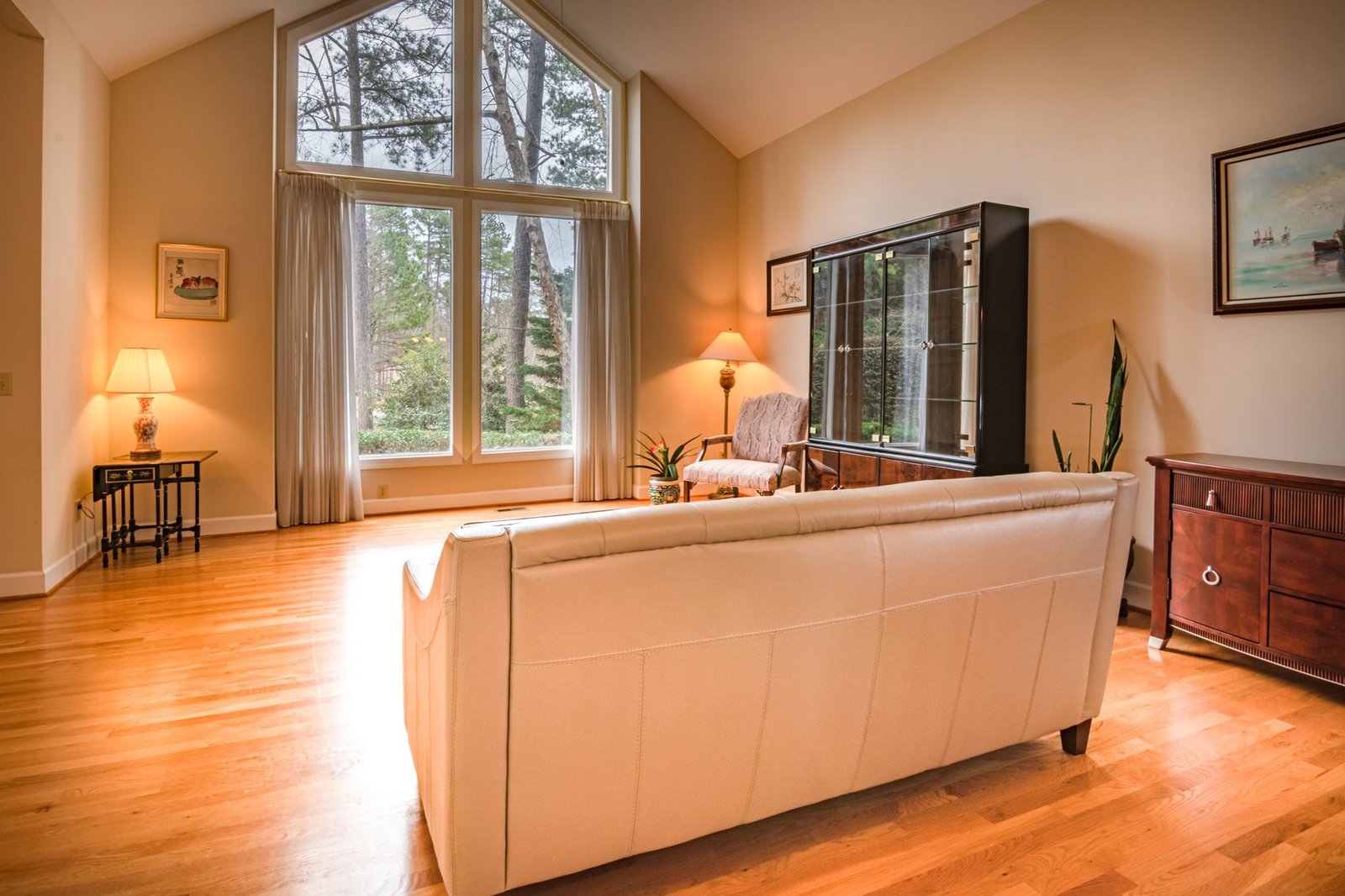
A dark living room can indeed feel gloomy, impacting the overall comfort and mood of the home. This common design challenge, however, is not a permanent fixture. Strategic lighting solutions, combined with modern design principles and technological advancements of 2026, offer effective remedies, transforming even the most shadowed spaces into bright, inviting environments where residents can truly thrive.
Understanding the Challenge of a Gloomy Living Room
A living space that lacks adequate illumination often feels oppressive, diminishing its potential as a central hub for relaxation and social interaction. This absence of brightness is typically an opportunity for thoughtful intervention rather than an inherent flaw. Factors contributing to darkness include insufficient natural light penetration, heavy or dark furnishings, muted color palettes, and an absence of a comprehensive lighting plan. In 2026, homeowners are increasingly prioritizing environments that promote well-being and productivity, making optimal lighting more crucial than ever for creating a harmonious domestic experience.
The 7 Lighting Tricks for a Brighter Living Space in 2026
Transforming a dim living room begins with a multi-faceted approach to illumination. The following seven strategies leverage both timeless design principles and the latest innovations available in 2026 to maximize brightness and create an uplifting atmosphere.
1. Layered Lighting: The Foundation of Brightness
The most fundamental principle for brightening any room involves creating a comprehensive layered lighting scheme. This approach combines ambient, task, and accent lighting to build depth and ensure even illumination. Ambient lighting provides general light, often through recessed fixtures, flush mounts, or large pendants. For 2026, tunable white LED panels and **biophilic lighting systems** are gaining prominence, offering residents the ability to adjust color temperature from warm to cool. This mimics natural daylight cycles, supporting circadian rhythms and contributing to overall well-being. These systems often integrate seamlessly into architectural features, providing broad, shadow-reducing light.
2. Embrace Task Lighting with Smart Fixtures
Task lighting is essential for specific activities such as reading, working, or engaging in hobbies. Strategically placed floor lamps, table lamps, and picture lights can brighten focused areas without overwhelming the entire room. Modern developments in 2026 include smart task lamps with integrated AI learning, which can adapt light intensity and color based on the resident’s preferences and the time of day. Materials like anodized aluminum with integrated diffused OLED strips offer sleek, unobtrusive designs that deliver powerful, glare-free light. Consideration should be given to slim, adjustable floor lamps designed to cast light upwards, bouncing it off ceilings to create a perception of greater height and openness.
3. Accentuate with Decorative and Art Lighting
Accent lighting draws attention to architectural features, artwork, or decorative objects, adding visual interest and preventing areas from receding into shadow. Wall sconces, track lighting, and small spotlights are excellent for this purpose. In 2026, micro-LED strips and fiber optic lighting are being used creatively to highlight shelving, architectural coves, and media centers with precision. Smart dimming capabilities are now standard, allowing the resident to easily adjust the intensity to create various moods, from vibrant brightness to subtle ambiance, ensuring no corner feels neglected or overlooked.
4. Leverage Natural Light Amplification
Maximizing existing natural light is paramount for brightening a dark living room. This involves more than just opening window coverings. Strategically placed mirrors can reflect light deep into a room, especially when positioned opposite windows or light sources. For darker rooms with limited or no external windows, light tubes or solar tubes are an increasingly popular and efficient solution in 2026, channeling daylight from the roof into interior spaces without requiring significant structural alterations. Furthermore, **smart glass technology (electrochromic windows)** allows for on-demand tinting, managing glare while still maximizing light during darker periods, offering optimal control over natural illumination.
5. Strategic Use of Reflective Surfaces
Beyond mirrors, integrating reflective materials into the room’s design can significantly enhance brightness. High-gloss paints on ceilings and trim can bounce light more effectively than traditional matte finishes. Furniture with **polished chrome, lacquered surfaces, or glass tops** introduces additional points of reflection. For 2026 interiors, mirrored wall panels (often in geometric or distressed patterns), acrylic furniture, and **translucent resin elements** are trending, subtly diffusing and reflecting light. Even textiles, such as silk drapes or metallic-thread cushions, can contribute to a brighter aesthetic by catching and scattering light throughout the space.
6. Innovations in Smart Lighting Systems
The fully integrated smart home ecosystems of 2026 offer unparalleled control over a room’s luminosity. AI-powered lighting systems can learn patterns, anticipate needs, and automatically adjust light levels and color temperatures throughout the day, ensuring optimal illumination for different activities and times. These systems can respond to natural light sensors, occupancy detectors, and even personal preferences set via voice commands or smart applications. Wireless charging integrated directly into lamps and **fixture-less light sources (e.g., light-emitting paint or flexible OLED films)** are emerging, offering seamless aesthetics and effortless functionality, reducing traditional wiring constraints.
7. Color Temperature and Lumen Output Considerations
The perceived brightness of a room isn’t solely about the number of fixtures; it’s also about the quality of light. Color temperature (measured in Kelvin) plays a critical role. Warmer temperatures (2700K-3000K) create a cozy atmosphere, while cooler temperatures (4000K-5000K) mimic daylight, making a room feel crisper and brighter. For a dark living room, a strategic mix of both, or the flexibility of tunable white lighting, is ideal. Lumen output indicates the actual brightness of a bulb; ensuring adequate lumens for the room’s size is crucial. In 2026, high-efficiency LEDs offer superior lumen-per-watt ratios, allowing for brighter illumination with significantly less energy consumption. Understanding these technical aspects ensures the chosen lighting solution effectively combats gloom.
Beyond Lighting: Complementary Design Strategies for 2026
While lighting is paramount, several other design elements can amplify its effects and contribute to a brighter living space. These strategies, often incorporating modern material developments, work in concert with illumination to create an inviting atmosphere.
Lighter Color Palettes and Materials
Employing light colors on walls, ceilings, and large furniture pieces is a timeless strategy for enhancing brightness. Whites, creams, pastels, and light grays reflect light rather than absorbing it. In 2026, trends lean towards sustainably sourced paints with low VOCs that offer highly reflective finishes. Furthermore, light-toned natural woods (e.g., bleached oak, ash) and **terrazzo with light aggregates** are preferred for flooring and surfaces, providing a foundational brightness. Upholstery in lighter, textural fabrics like linen or bouclé further contributes to an airy and open feel.
Minimalist Furnishings and Layouts
An uncluttered room inherently feels brighter and more spacious. Overly bulky or dark furniture can block light and create unwanted shadows. Opting for streamlined, multi-functional furniture designs with open bases or transparent elements (e.g., glass coffee tables) allows light to flow freely. A considered layout that avoids placing tall items in front of windows or primary light sources is crucial. The 2026 aesthetic often favors “invisible” storage solutions and modular components that contribute to a clean, expansive visual, enhancing the perception of brightness.
Transparent and Translucent Elements
Introducing elements that allow light to pass through can make a significant difference in a living room’s brightness. Sheer curtains or blinds, rather than heavy drapes, maintain privacy while filtering natural light effectively. Glass interior doors, **acrylic room dividers**, or even furniture with translucent panels can enhance light transmission between spaces and within the room itself. For 2026, smart film privacy glass can be applied to existing windows or internal partitions, offering adjustable opacity at the touch of a button, blending functionality with light-enhancing properties seamlessly.
Transforming a dark living room into a bright, inviting sanctuary is an achievable goal with strategic planning and the integration of modern solutions. By implementing a layered lighting scheme, leveraging natural light, incorporating reflective surfaces, and embracing the innovations of 2026’s smart lighting and material trends, residents can dramatically alter the ambiance of their living spaces. The emphasis on well-being and adaptable environments means that a brighter home is not just an aesthetic choice but a sound investment in daily comfort and quality of life.