
Maintaining a lush, healthy lawn has long been a hallmark of residential appeal. However, the traditional approach to irrigation often involves significant water waste and inconsistent results. In 2026, the landscape of lawn care is profoundly shaped by advanced automated irrigation frameworks, offering homeowners unprecedented efficiency, sustainability, and aesthetic excellence. These sophisticated systems move beyond simple timers, leveraging cutting-edge technology to deliver precise hydration directly where and when it is needed, fostering robust turf health while minimizing environmental impact.
The Evolution of Lawn Irrigation
From Manual to Smart Systems
Historically, lawn irrigation relied heavily on manual application or rudimentary sprinkler systems with fixed schedules, often leading to overwatering, runoff, and increased utility costs. The modern era, however, emphasizes intelligence and automation. Current systems integrate a suite of technologies that transform passive watering into an active, responsive process. This evolution ensures that turf receives optimal moisture, adapting to dynamic environmental conditions and specific plant needs. The shift represents not just a convenience but a fundamental change in how residential landscapes interact with precious water resources.
Key Components of Modern Automated Systems
An effective automated irrigation framework comprises several integrated components working in concert. At its core is the smart controller, often cloud-connected and accessible remotely, which orchestrates the entire system. This controller communicates with various sensors—including soil moisture sensors, rain sensors, and even weather stations—to gather real-time data. High-quality valves precisely regulate water flow to different zones, while specialized emitters or sprinkler heads deliver water to the turf. Furthermore, advanced filtration systems prevent clogs and maintain system longevity, ensuring consistent performance over time.
Drip Line Architectures for Optimal Turf Health
Understanding Subsurface Drip Irrigation (SDI)
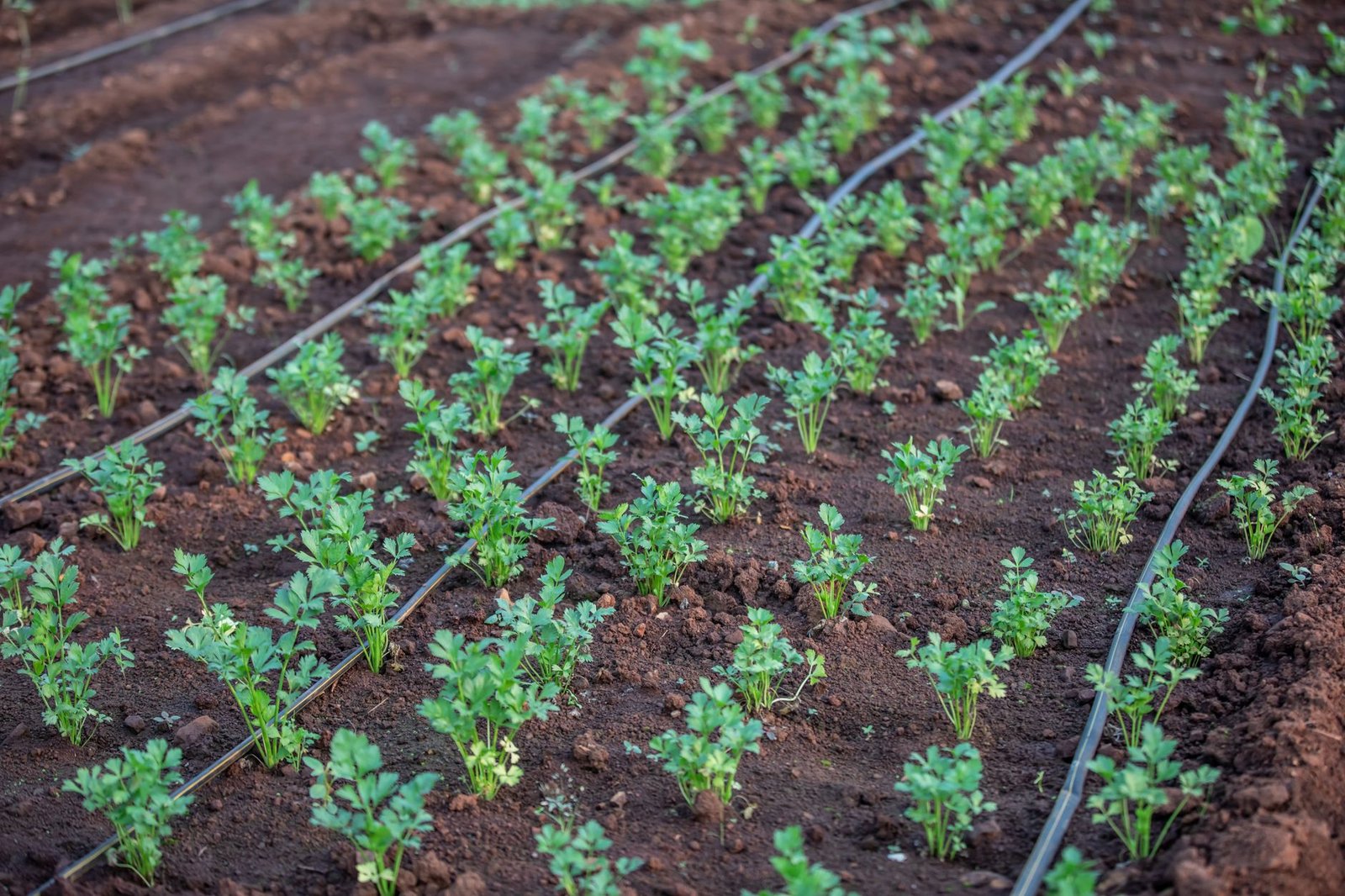
While often associated with gardens and planting beds, subsurface drip irrigation (SDI) has emerged as a highly efficient solution for turfgrass in modern residential settings. SDI involves burying specialized drip lines beneath the lawn surface, typically at depths of 4-6 inches. This method delivers water directly to the root zone, virtually eliminating evaporation, runoff, and overspray common with traditional sprinkler systems. The precise, slow application of water encourages deeper root growth, making the turf more resilient to drought and stress. For the homeowner, SDI represents a significant leap in water conservation, often reducing water consumption by 30-70% compared to conventional overhead irrigation.
Material Innovations in Drip Systems (2026 Trends)
The year 2026 sees significant advancements in the materials used for drip irrigation components. Modern drip lines are engineered for durability and efficiency. Key innovations include:
- Root-Intrusion Barriers: Drip lines now commonly feature integrated physical or chemical barriers that deter root growth into emitters, a historical challenge for SDI systems. This ensures consistent water delivery and extends system lifespan.
- Antimicrobial Coatings: Internal tubing surfaces are increasingly treated with antimicrobial agents to prevent algae and bacterial slime buildup, which can clog emitters and reduce system efficiency.
- UV-Resistant and Recycled Polymers: High-grade, UV-stabilized recycled polymers are standard, enhancing the longevity of exposed components while supporting sustainable manufacturing practices.
- Pressure-Compensating Emitters: These advanced emitters ensure uniform water distribution across varying terrain and pressure fluctuations, guaranteeing every part of the lawn receives the intended amount of water.
These material developments contribute to more reliable, lower-maintenance, and longer-lasting irrigation systems, providing greater peace of mind for the resident.
Design Principles for SDI
Effective SDI design for turf requires careful planning. Proper emitter spacing is crucial, typically ranging from 12 to 18 inches, to ensure uniform coverage and prevent dry spots. Pressure regulation devices maintain optimal operating pressure throughout the system, preventing damage and ensuring consistent output from each emitter. Multi-stage filtration is also essential to protect the fine emitters from sediment and particulates, preserving the system’s efficiency and extending its service life. The system’s layout should account for lawn shape, slope, and specific turf requirements, often segmented into multiple zones for tailored watering schedules.
Automated Water Distribution Machinery
Smart Controllers and Predictive Analytics (2026 Trends)
The heart of 2026’s automated irrigation is the smart controller, which has evolved into a highly intelligent, adaptive command center. These controllers now integrate AI-driven algorithms that learn from historical data, current weather patterns, and soil conditions to create hyper-localized watering schedules. Features include:
- Hyper-local Weather Integration: Beyond general forecasts, controllers can tap into specific weather data for the resident’s exact address, adjusting schedules based on real-time precipitation, temperature, and humidity.
- Predictive Analytics: Systems analyze soil moisture levels, evapotranspiration rates, and upcoming weather events to predict future watering needs, preventing both under and overwatering.
- IoT and Smart Home Ecosystem Integration: Seamless connectivity with broader smart home platforms allows homeowners to manage their irrigation alongside lighting, security, and climate control, often via voice commands or centralized apps.
- Leak Detection and Diagnostic Reporting: Advanced systems can detect leaks or blockages and alert the homeowner or maintenance provider, often providing diagnostic insights for prompt resolution.
Such capabilities transform irrigation from a reactive task into a proactive, optimized process.
Advanced Sprinkler and Emitter Technologies
For areas where SDI is not preferred or practical, modern automated systems utilize highly efficient sprinkler technology. Multi-Stream, Multi-Trajectory (MP Rotator) nozzles are a prime example, delivering water in slow, rotating streams rather than a single forceful spray. This reduces runoff, improves water absorption into the soil, and minimizes wind drift. Pressure-compensating sprinkler heads maintain a consistent spray pattern and radius, even with fluctuating water pressure, ensuring uniform coverage. Furthermore, low-flow sprinklers are increasingly common, designed to deliver water at a slower rate, mimicking the efficiency benefits of drip irrigation in an overhead application.
Maintenance and Longevity
While automated systems are designed for efficiency, regular maintenance is crucial for their longevity and performance. This includes seasonal adjustments, emitter or nozzle cleaning, filter inspection, and winterization procedures in colder climates. Many 2026 systems offer self-diagnostic capabilities, flagging issues and simplifying troubleshooting, thus reducing the reliance on professional intervention for minor problems.
Sustainability and Economic Impact
Water Conservation and Environmental Benefits
The adoption of automated irrigation frameworks, particularly those incorporating SDI, yields substantial environmental benefits. The most significant is drastic water conservation, which lessens the strain on municipal water supplies and reduces pumping energy. By minimizing runoff, these systems prevent the wasteful discharge of water and reduce the transport of fertilizers and pesticides into storm drains and local waterways, thereby protecting ecosystems. The precision of water delivery also promotes healthier soil microbiology and more robust plant growth, reducing the need for chemical inputs.
Return on Investment
For the homeowner, the initial investment in a sophisticated automated irrigation system is quickly offset by long-term savings. Reduced water consumption directly translates to lower utility bills. Furthermore, a healthier, more resilient lawn requires less frequent reseeding, disease treatment, and manual intervention, saving both time and additional maintenance costs. The enhanced curb appeal and increased property value resulting from a consistently pristine lawn represent further tangible benefits.
Automated irrigation frameworks represent the pinnacle of modern landscape management. By combining intelligent controllers, advanced sensor technology, and efficient water distribution methods like subsurface drip irrigation, these systems offer a sustainable, economically sound, and aesthetically superior approach to residential lawn care. For residents seeking to optimize their landscape maintenance in 2026 and beyond, embracing these innovations is a clear path to achieving a thriving, water-wise lawn.