
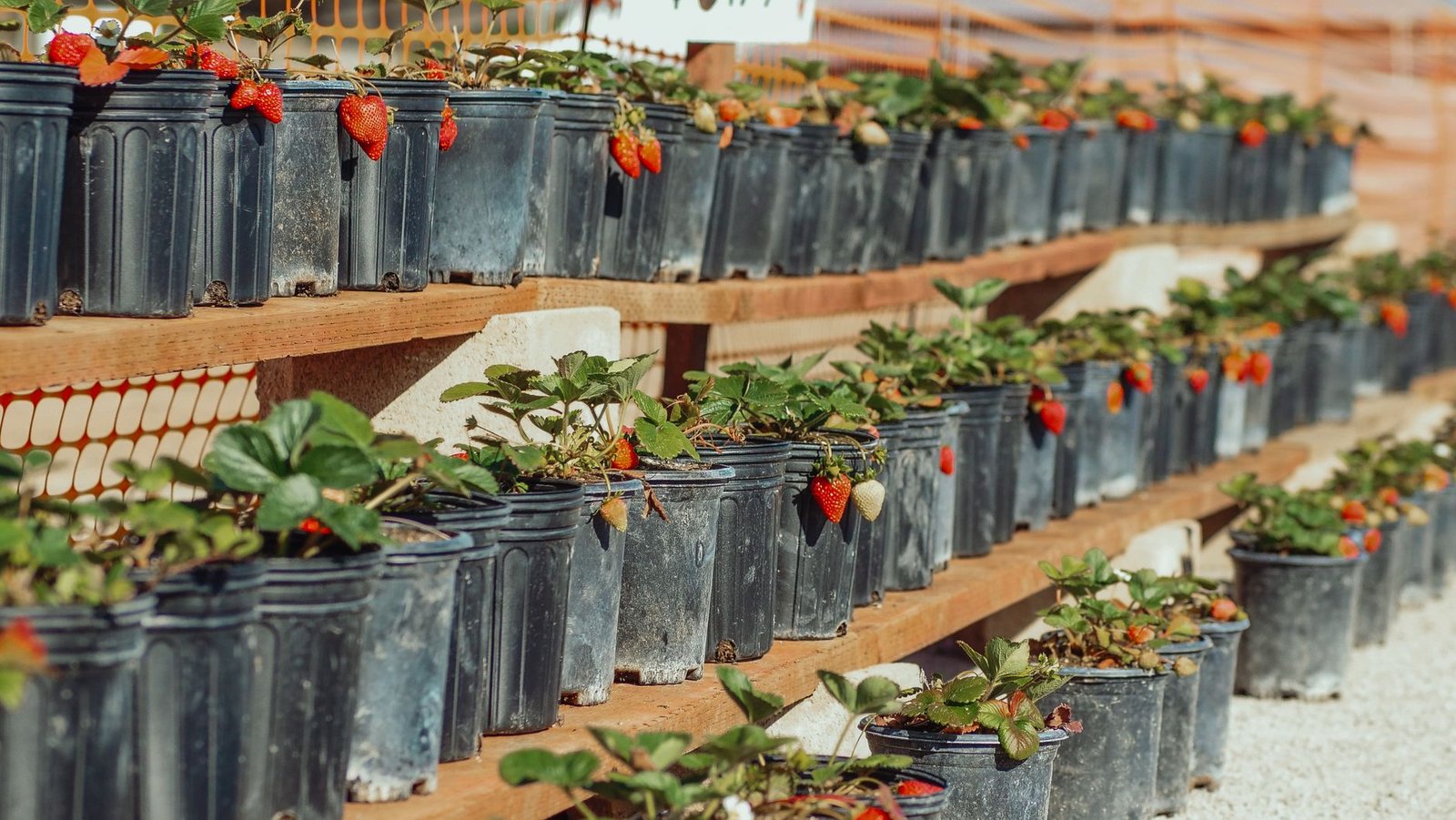
Cultivating a productive vegetable garden often brings to mind sun-drenched plots, yet successful container gardening in shaded areas is entirely achievable. For urban residents and those with limited sunny space in 2026, a surprising array of vegetables not only tolerates but actually thrives in conditions receiving only partial sun. This guide highlights seven specific vegetables that excel in container environments even with reduced light exposure, offering practical, modern solutions for a satisfying harvest.
Embracing the Shade: Container Gardening’s Untapped Potential
The notion that all vegetables demand full sun can be a significant barrier for aspiring gardeners navigating compact urban landscapes or north-facing balconies. However, many vegetables, particularly those grown for their leaves or roots, flourish with less intense light. Modern gardening approaches, coupled with advancements in container design and nutrient delivery, have made it easier than ever to transform dimly lit corners into productive food-producing spaces. For the resident keen on maximizing small outdoor areas, understanding shade tolerance is key to unlocking year-round yields and enhancing domestic comfort.
The Magnificent Seven: Shade-Loving Vegetables for Container Cultivation
The following vegetables are not merely tolerant of shade; they can genuinely thrive in containers with as little as three to six hours of indirect or dappled sunlight daily. Smart planning and selection of 2026-forward gardening tools will further enhance their success.
-
1. Leafy Greens (Lettuce, Spinach, Kale, Swiss Chard)
-
Why they thrive: Leafy greens are perhaps the quintessential shade-tolerant container crop. They prefer cooler temperatures, and partial shade prevents scorching, bolting (going to seed prematurely), and bitter flavors, especially in warmer climates. Their shallow root systems are well-suited for containers.
-
Container specifics: Wide, shallow containers (at least 6-8 inches deep) are ideal. Fabric grow bags made from advanced recycled materials promote excellent aeration. The resident can employ succession planting, sowing small batches every few weeks, for a continuous harvest. 2026-era self-watering planters with integrated moisture wicking ensure consistent hydration, critical for tender leaves.
-
2026 insights: Look for compact, bolt-resistant varieties such as ‘Black Seed Simpson’ lettuce or ‘Tyee’ spinach. Utilizing organic, nutrient-rich potting mixes fortified with slow-release granular fertilizers designed for leafy crops ensures sustained growth without constant feeding.
-
-
2. Radishes
-
Why they thrive: Radishes are incredibly fast-growing and can tolerate partial shade, though too much shade might lead to smaller roots and more leafy growth. The cooler soil temperatures provided by shade can also help prevent them from bolting.
-
Container specifics: Containers should be at least 6-8 inches deep to allow for proper root development. Good drainage is paramount. Planting in batches every 1-2 weeks allows for a staggered harvest. Compact varieties like ‘Cherry Belle’ or ‘French Breakfast’ are excellent choices.
-
2026 insights: Biodegradable seed tapes offer precise spacing and minimize thinning efforts. Smart moisture sensors embedded in the soil provide real-time data to prevent overwatering or underwatering, both of which can negatively impact radish development.
-
-
3. Bush Beans
-
Why they thrive: While pole beans generally require more sun, bush bean varieties are more amenable to partial shade. Their compact growth habit makes them excellent candidates for containers, requiring less vertical support than their climbing counterparts.
-
Container specifics: Use sturdy containers at least 10-12 inches in diameter and depth. Some bushier varieties may still benefit from a small stake for support. Companion planting with shade-loving herbs like mint or cilantro can deter pests.
-
2026 insights: Consider drought-resistant cultivars developed for variable light conditions. Advanced biostimulants, applied as foliar sprays, can enhance nutrient uptake and yield even with reduced sunlight exposure.
-
-
4. Carrots (Short and Round Varieties)
-
Why they thrive: Carrots can surprisingly produce well in partial shade. In fact, a bit of shade during the hottest part of the day can lead to sweeter roots, as it prevents the soil from overheating. The key is selecting the right varieties.
-
Container specifics: Opt for deep containers, at least 12-15 inches, to accommodate the taproot. Look for short or round varieties such as ‘Paris Market’, ‘Danvers Half Long’, or ‘Thumbelina’. Ensure the potting mix is loose, well-draining, and free of obstructions.
-
2026 insights: Aerated fabric pots are particularly beneficial for carrots, promoting robust root development and preventing circling. Specialized organic granular fertilizers designed for root vegetables provide a balanced release of phosphorus and potassium, essential for strong root growth.
-
-
5. Peas (Dwarf and Bush Varieties)
-
Why they thrive: Peas prefer cooler temperatures and can struggle in intense summer sun, making partial shade an ideal environment, especially in warmer climates. Dwarf and bush varieties are perfect for container cultivation.
-
Container specifics: Containers at least 8-10 inches deep are suitable. Even dwarf varieties will benefit from a small trellis or stakes for support. Consistent moisture is crucial for pod development.
-
2026 insights: Explore integrated vertical container systems that maximize limited space while providing necessary support. Disease-resistant heirloom varieties are also experiencing a resurgence, offering both flavor and resilience.
-
-
6. Beets
-
Why they thrive: Beets are another dual-purpose crop, yielding both edible roots and nutritious greens. They tolerate partial shade well, although the roots may mature slightly slower or be somewhat smaller than those grown in full sun. The greens, however, will flourish.
-
Container specifics: Medium-depth containers (8-10 inches) are sufficient. Succession planting can ensure a steady supply of both beetroots and greens. Thinning properly is important to allow roots to develop.
-
2026 insights: pH-balancing soil amendments, such as specific organic lime or wood ash, can optimize soil conditions for beet growth. Micro-irrigation kits, easily installed in container arrays, provide precise, automated watering, reducing effort for the resident.
-
-
7. Broccoli Raab (Rapini)
-
Why they thrive: Broccoli Raab, or Rapini, is a versatile, fast-growing brassica that prefers cooler weather and partial shade, which helps prevent premature bolting and maintains its tender texture. It’s an excellent choice for a quick harvest in spring or fall.
-
Container specifics: Containers at least 8-10 inches deep and wide are ideal for accommodating its moderate size. Ensuring good air circulation around the plants helps prevent fungal issues in shaded, often more humid, environments.
-
2026 insights: Smart container designs with integrated airflow channels are becoming more prevalent, reducing humidity buildup. Non-GMO, fast-maturing varieties, some specifically bred for container performance, offer efficient harvests.
-
Optimizing Container Shade Gardens for 2026 Success
Container Selection: Beyond the Basics
The evolution of container materials and designs continues in 2026. Beyond traditional terracotta, residents can utilize lightweight, UV-stabilized recycled plastic planters, known for excellent durability. Fabric grow bags, often made from BPA-free geotextiles, offer superior root aeration and drainage, preventing rootbound plants. Self-watering systems and smart planters with integrated moisture and nutrient sensors remove much of the guesswork, providing optimal conditions even in less-than-ideal light.
Soil and Nutrition: The Foundation of Growth
High-quality, lightweight organic potting mixes are non-negotiable for container success. For 2026, many mixes incorporate coco coir for improved water retention and aeration, alongside compost and worm castings for sustained nutrient release. Slow-release organic nutrient pellets, specifically formulated for vegetables, can provide consistent feeding over several months. Consideration of specific soil enrichments, such as mycorrhizal fungi, can boost nutrient uptake for shade-stressed plants.
Water Management: Precision for Partial Light
Shaded containers generally require less frequent watering than those in full sun due to reduced evaporation. However, consistency is still key. The resident should monitor soil moisture carefully, using a finger test or a digital moisture meter. Smart irrigation systems, capable of delivering precise amounts of water based on sensor data, are increasingly accessible for home container setups, preventing both waterlogging and drought stress.
Pest and Disease Management in Limited Light
Shaded, containerized environments can sometimes foster conditions conducive to certain pests or fungal diseases. Regular inspection of plants for early signs of trouble is crucial. Organic pest control methods, such as neem oil sprays or introducing beneficial insects (e.g., ladybugs for aphids), are effective and environmentally friendly. Companion planting with aromatic herbs known for pest-deterrent properties, like marigolds or basil, can also provide a natural line of defense.
Future-Proofing the Shade Garden: 2026 Trends and Innovations
Vertical and Modular Systems
The trend towards vertical gardening continues to gain momentum, especially for shaded areas. Modular stackable planters and wall-mounted systems maximize space. Some advanced vertical gardens in 2026 even integrate supplemental, low-intensity LED grow lights to provide a spectrum boost for plants in extremely dim locations, controlled by smart home platforms.
Advanced Substrate Technologies
New lightweight, highly retentive, and sustainable growing mediums are constantly emerging. These advanced substrates, often blends of organic and inert materials, are designed to optimize water and nutrient delivery specifically for container gardening, ensuring plants receive what they need even with limited light energy.
Digital Gardening Aids
Smartphone applications are evolving to offer more personalized guidance for container gardeners. These apps can track plant progress, recommend optimal watering and feeding schedules based on specific plant types and local microclimates (even accounting for shade levels), and provide reminders for harvesting or pest checks.
Conclusion
Successful container vegetable gardening in shaded areas is not merely a possibility in 2026; it is a practical and rewarding endeavor for the modern resident. By selecting the right shade-tolerant vegetables, investing in advanced container technologies, and implementing informed cultivation practices, individuals can transform even the most unassuming patios or balconies into vibrant, productive foodscapes. The satisfaction of harvesting fresh, homegrown produce, regardless of available sunlight, is a testament to innovative gardening and thoughtful design.