
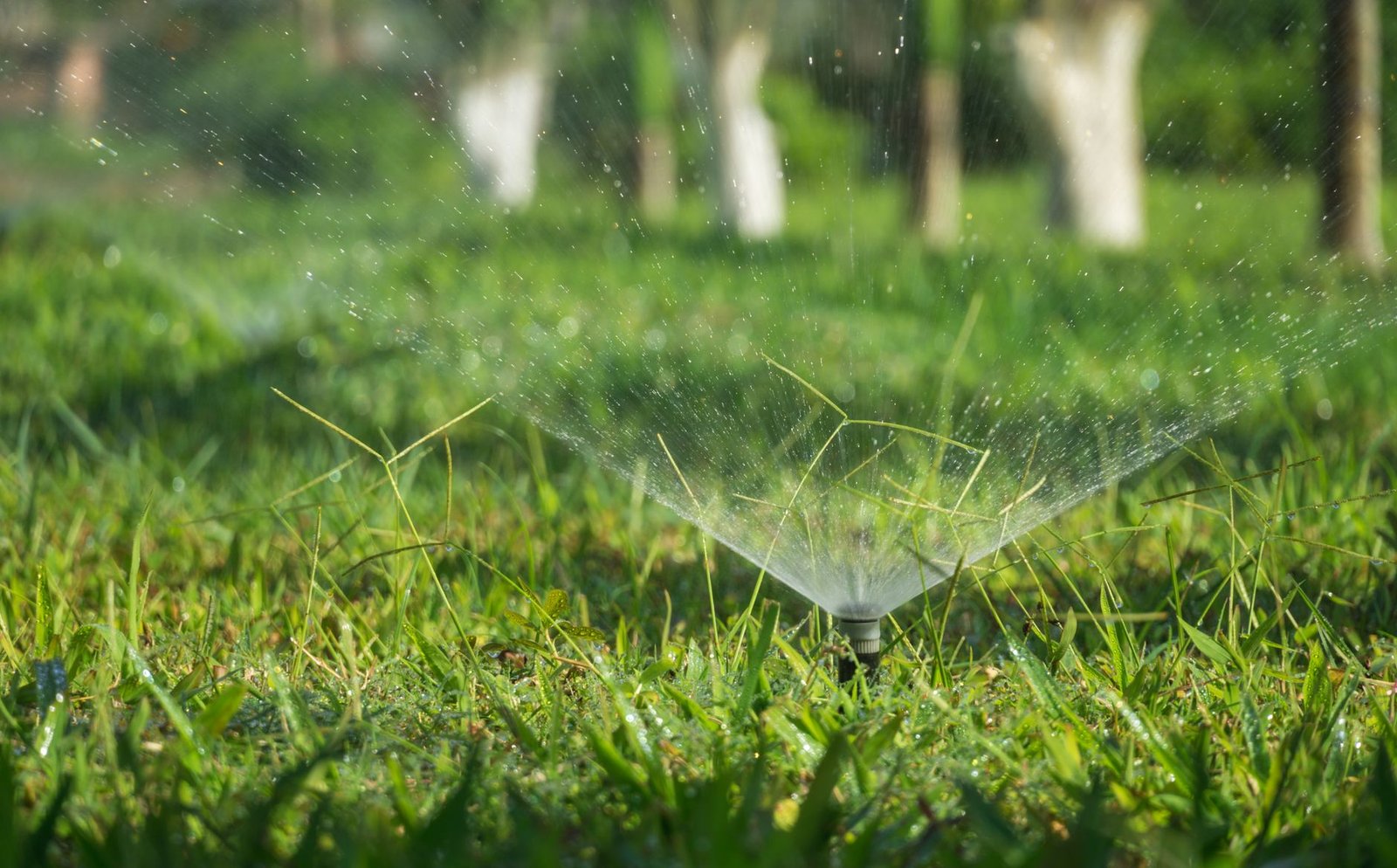
In 2026, homeowners increasingly prioritize water conservation, making efficient irrigation a critical consideration for maintaining healthy landscapes. When comparing smart sprinkler systems and drip irrigation for water savings, the ultimate efficiency hinges on specific landscape requirements, the level of technological integration, and proper installation. While both methods offer significant improvements over traditional manual watering, smart sprinkler systems, equipped with advanced AI and IoT capabilities, often demonstrate superior dynamic adaptability across diverse landscapes, thereby maximizing overall water savings in varied residential settings. Drip irrigation, conversely, maintains its unparalleled precision for targeted plant types and specific garden zones, inherently minimizing waste at the source.
Understanding Smart Sprinkler Systems in 2026
Smart sprinkler systems have evolved dramatically by 2026, moving beyond simple weather-based scheduling to incorporate sophisticated predictive analytics and hyper-local data integration. These systems are integral components of the modern smart home ecosystem, leveraging advancements in artificial intelligence and the Internet of Things (IoT) to optimize water delivery.
Key Features and 2026 Trends:
- AI-Driven Predictive Analytics: Modern smart controllers analyze not only hyper-local weather forecasts and historical data but also integrate real-time soil moisture, salinity, and nutrient levels via advanced wireless sensors. Some systems even incorporate drone or satellite imagery data to assess plant health and stress indicators, predicting water needs before visual signs appear.
- Advanced Sensor Integration: Wireless, long-range sensors (utilizing protocols like LoRaWAN or NB-IoT) are now commonplace, offering multi-year battery life and precise data on microclimates within different landscape zones. This granular data allows for watering adjustments minute-by-minute, preventing over or under-watering.
- Dynamic Zonal Control: Beyond basic zone separation, 2026 systems offer more refined control, allowing for varied watering schedules and durations within a single zone based on plant type, sun exposure, and soil composition. This precision ensures that specific plant groupings receive optimal hydration without affecting neighboring areas.
- Integrated Leak Detection: Smart sprinklers now feature integrated flow sensors and pressure monitors that can detect leaks or blockages in real time, alerting the resident immediately and often automatically shutting off the affected zone to prevent water loss and potential landscape damage.
- Material Developments: The industry is seeing increased adoption of recycled and durable composite materials for sprinkler heads and components, enhancing UV resistance and longevity. Self-cleaning nozzles and improved gear drives reduce maintenance requirements and maintain consistent spray patterns over time.
The primary water-saving mechanism of a smart sprinkler system lies in its ability to adapt dynamically. By eliminating unnecessary watering based on accurate environmental data, the system significantly reduces runoff, evaporation, and overall water consumption compared to fixed-schedule systems.
The Evolving Landscape of Drip Irrigation in 2026
Drip irrigation, historically lauded for its precision, continues to be a cornerstone of water-efficient landscaping. Its fundamental principle of delivering water directly to the plant’s root zone inherently minimizes evaporation and overspray. By 2026, drip irrigation has also embraced smart technology, blurring the lines between traditional and advanced systems.
Key Features and 2026 Trends:
- Smart Drip Integration: Many drip systems are now managed by smart controllers, mirroring the capabilities of smart sprinkler systems. This integration allows for weather-based scheduling, soil moisture sensor input, and remote management, transforming traditional drip into a