
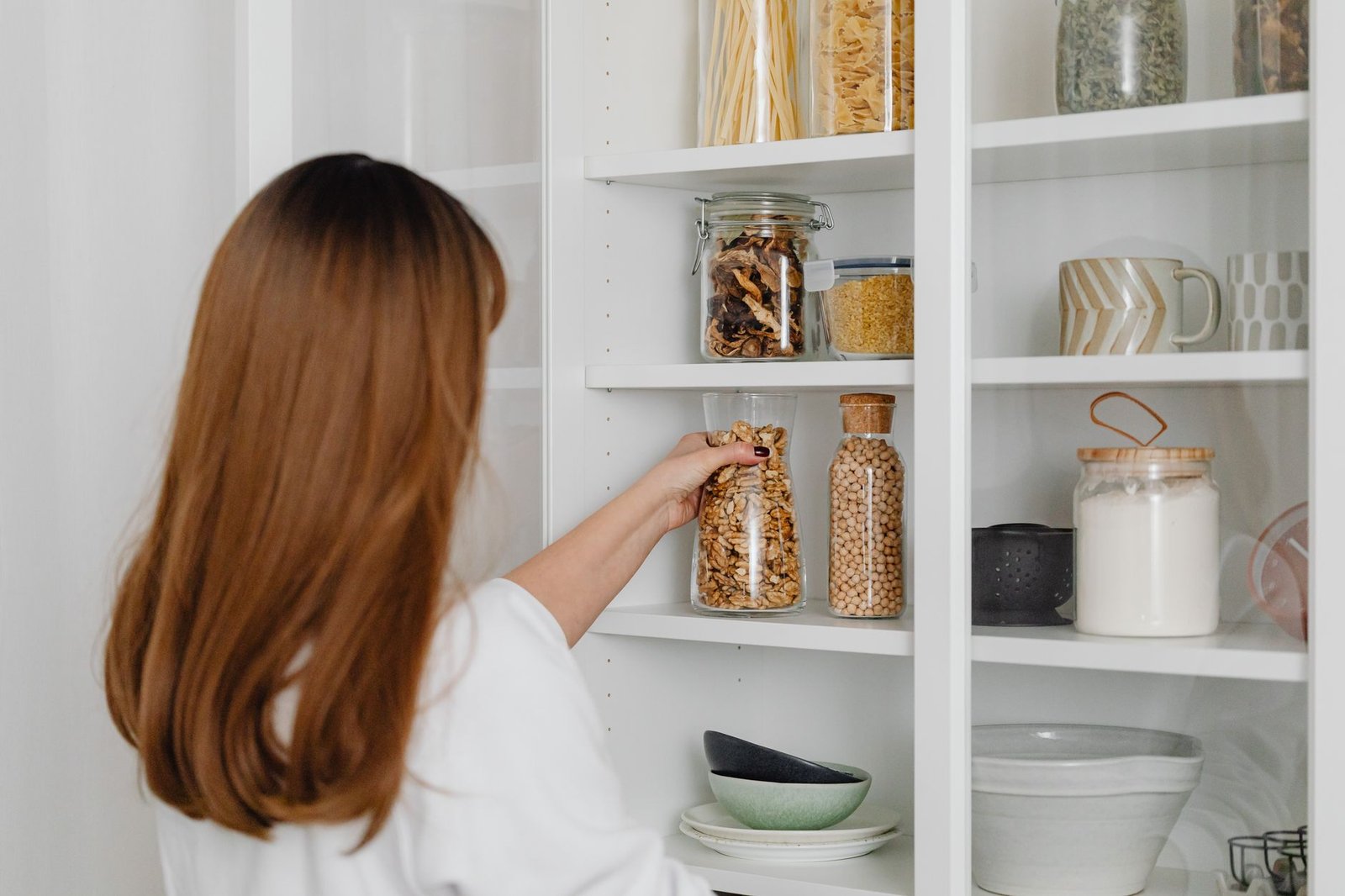
Overflowing kitchen cabinets are a common challenge for many households, creating inefficiencies in meal preparation and general kitchen use. Addressing this issue effectively involves more than just tidying; it requires a strategic approach to storage. For 2026, implementing a functional zone organization system offers a robust solution, transforming cluttered spaces into streamlined, highly efficient culinary environments. This method ensures every item has a dedicated home, significantly improving workflow and reducing daily frustrations for the homeowner.
The 2026 Kitchen: A Call for Clarity and Efficiency
As domestic spaces evolve, the modern kitchen in 2026 emphasizes both aesthetics and paramount functionality. The demand for efficiency stems from increasingly busy lifestyles and a growing appreciation for home cooking and mindful living. Cluttered cabinets not only hinder access to essential tools and ingredients but also contribute to visual noise, detracting from the overall calm of the living space. Industry trends for 2026 highlight a move towards integrated solutions, sustainable materials, and smart technologies designed to support seamless organization. Modular storage systems, touch-to-open drawers, and transparent, high-quality organizers made from recycled materials or innovative bioplastics are becoming standard, reflecting a desire for both order and environmental responsibility.
Implementing Zone Organization: A Step-by-Step Approach
Adopting a zone-based organization system begins with a comprehensive decluttering process, followed by strategic categorization. This initial phase is critical for identifying items that are truly needed, used, and valued within the kitchen. The resident should assess each item’s frequency of use and its current condition, discarding or donating anything broken, expired, or unused. Following decluttering, grouping similar items together forms the foundation for establishing distinct zones, ensuring related tools and ingredients are always within easy reach when performing specific kitchen tasks.
For optimal results, considering the kitchen’s natural workflow is essential. Placing frequently used items in easily accessible cabinets and drawers, typically between the sink, stove, and refrigerator, maximizes efficiency. Less frequently used items can be stored in higher or lower cabinets, or in more distant pantry spaces. Incorporating modern storage solutions like pull-out shelves, drawer dividers, and cabinet risers, particularly those crafted from durable bamboo or sustainable composite materials, further enhances accessibility and space utilization. Smart labels, often integrated with QR codes for inventory tracking apps, are also gaining traction in 2026 for advanced inventory management.
The Five Essential Kitchen Zones for 2026
Effective kitchen organization in 2026 hinges on establishing five distinct, task-oriented zones. Each zone is designed to consolidate specific tools and ingredients, making cooking and meal preparation intuitive and less time-consuming. Leveraging transparent containers, stackable bins, and adjustable shelving – often made from advanced, food-safe plastics or glass – optimizes visibility and access within each zone.
1. The Prep Zone
This zone is typically centered around the primary counter space where chopping, mixing, and ingredient assembly occur. Cabinets and drawers here should house cutting boards, knives, mixing bowls, measuring cups and spoons, graters, and small food processors. Proximity to the sink is crucial for easy washing of produce and utensils. For 2026, consider drawer organizers with dedicated knife slots and integrated spice racks within pull-out drawers for immediate access to frequently used seasonings.
2. The Cooking Zone
Located near the stove or cooktop, this zone contains everything needed for cooking and baking. This includes pots, pans, lids, baking sheets, cooking utensils (spatulas, ladles, tongs), and oven mitts. Heavy cookware should be stored in lower, easily accessible cabinets or deep drawers. Modern kitchens often feature vertical dividers for baking sheets and cutting boards, maximizing cabinet space and preventing clutter. Magnetic strips for knives and frequently used metal utensils on the backsplash are also popular, freeing up drawer space.
3. The Pantry/Food Storage Zone
This zone consolidates non-perishable food items, bulk goods, snacks, and baking ingredients. It can be a dedicated pantry, a set of cabinets, or a combination. The key is clear visibility and easy rotation of stock. Utilize transparent, airtight containers for dry goods to prevent spoilage and simplify inventory checks. Stackable bins for canned goods and pull-out shelves for smaller items are highly effective. Emerging smart pantry systems with weight sensors and app connectivity for automated reordering are a notable 2026 trend, streamlining grocery management for the resident.
4. The Dishware and Serveware Zone
This area is dedicated to plates, bowls, glasses, mugs, and serving dishes. Ideally, it should be located near the dishwasher or sink for convenient unloading. Stacking dinnerware efficiently using cabinet risers or pegboard drawer inserts can prevent damage and maximize vertical space. For stemware, inverted hanging racks within upper cabinets protect delicate items and save shelf space. Consider incorporating integrated drying racks within cabinets for items that cannot go into the dishwasher, maintaining a clean counter.
5. The Cleaning and Waste Zone
Often overlooked, this zone is critical for maintaining hygiene and order. It typically resides under the sink or in a nearby utility cabinet. This area should store cleaning supplies, dish soap, sponges, and trash/recycling bins. Leak-proof bins and pull-out systems for waste and recycling are essential for cleanliness and ease of use. A small caddy or rotating organizer for cleaning products keeps them contained and accessible, preventing spills and maximizing the often-awkward under-sink space.
Modern Materials and Smart Tech for Enhanced Organization in 2026
The year 2026 brings forward innovations that significantly enhance kitchen organization. Sustainable materials are at the forefront, with homeowners increasingly opting for bamboo, recycled plastics, and even mycelium-based composites for drawer dividers, bins, and shelving. These materials offer durability, aesthetic appeal, and a reduced environmental footprint.
Technology integration is another game-changer. Beyond smart pantries, homeowners can find cabinet lighting systems that automatically illuminate upon opening, making item retrieval effortless. Modular cabinetry systems with easily reconfigurable interiors allow the resident to adapt storage as needs change, providing unparalleled flexibility. Voice-activated cabinet locks or touch-latch mechanisms are also becoming more common, offering hands-free access and a sleek, handle-less aesthetic that promotes a cleaner look. These advancements not only declutter cabinets but also elevate the overall functionality and enjoyment of the kitchen space, ensuring that kitchen organization remains both practical and forward-thinking.