
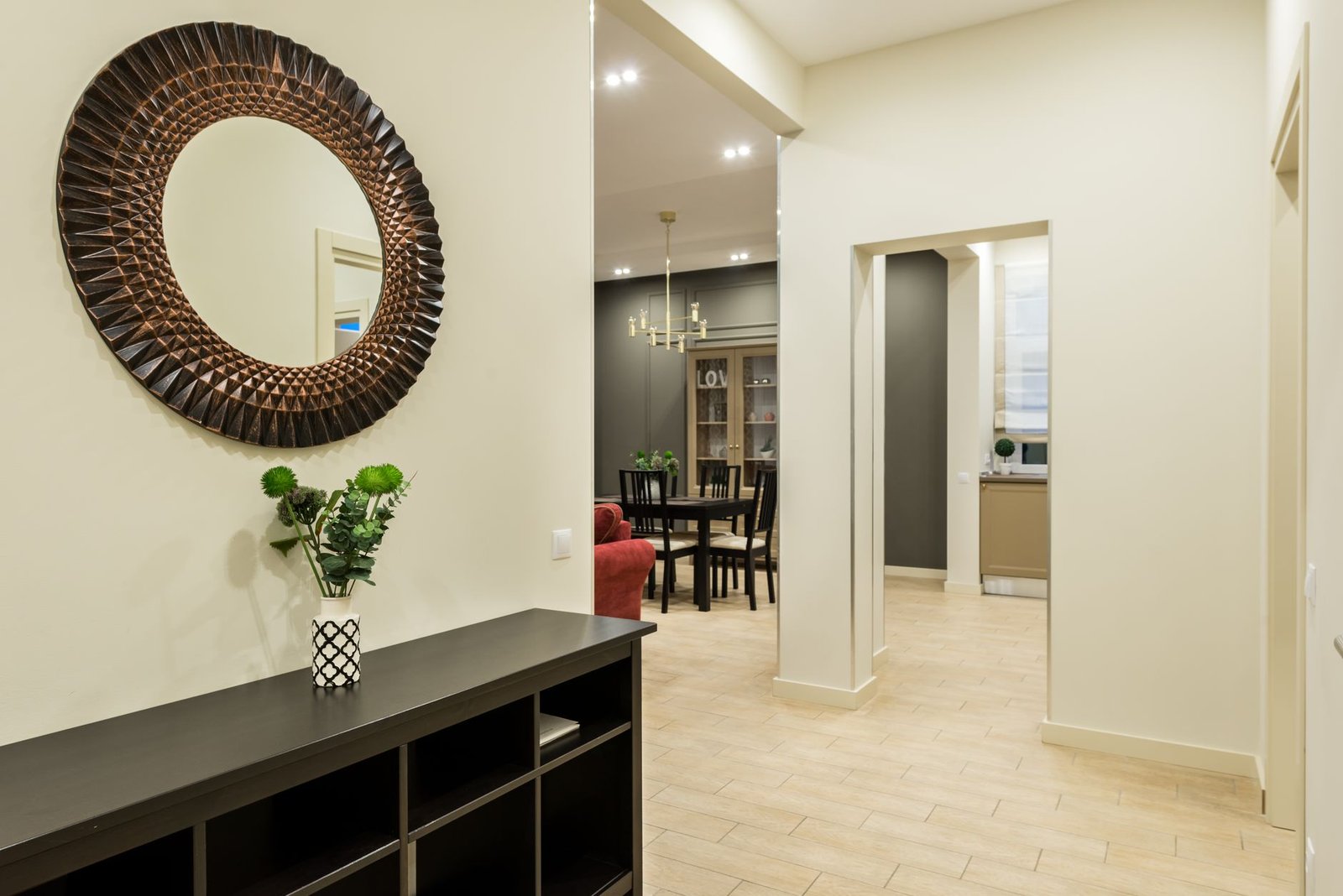
For compact entryways in 2026, the optimal mirror choice balances visual expansion, light maximization, and contemporary aesthetics. Selecting the best entryway mirror involves careful consideration of size, placement, and integrating modern design trends and material innovations to transform even the smallest space into a welcoming and stylish introduction to the home. The ideal mirror for small entryways in the current year is often a frameless or thinly framed piece, strategically positioned to reflect natural light and create an illusion of depth, frequently incorporating sustainable materials or subtle smart features.
The Strategic Power of Entryway Mirrors
An entryway sets the tone for an entire residence. In smaller homes or apartments, this initial impression often grapples with spatial limitations. A thoughtfully chosen mirror transcends mere decoration; it becomes a powerful tool in interior design, capable of visually expanding confined areas and amplifying natural light, thereby enhancing the resident’s domestic comfort.
Beyond Reflection: Functionality in Compact Areas
The primary function of a mirror in a small entryway extends beyond a last-minute appearance check. Its reflective surface is an invaluable asset for manipulating perceived space. By bouncing light around, a mirror can make a narrow hallway feel wider or a cramped vestibule appear more open. This optical illusion is particularly crucial in urban dwellings where natural light can be at a premium.
- Visual Expansion: Strategically placed, a mirror can simulate an additional window or doorway, thereby dissolving perceived wall boundaries.
- Light Amplification: Reflecting existing light sources, whether natural or artificial, significantly brightens the entryway, making it feel less enclosed.
- Aesthetic Anchor: It acts as a focal point, drawing the eye and adding an element of design sophistication to an otherwise functional space.
2026 Trends in Small-Space Mirror Design
The year 2026 sees a continued evolution in home decor, with specific trends influencing mirror choices for compact entryways:
- Floating & Frameless Designs: These mirrors offer a seamless, minimalist look that doesn’t add visual bulk, making them perfect for tight spots. The absence of a frame allows the mirror to blend more effortlessly into the wall.
- Integrated Smart Features: While subtle, high-end mirrors may include discreet backlighting, defogging capabilities, or even ambient light sensors that adjust brightness. Some cutting-edge models integrate hidden displays for time or weather, accessible via touchless controls, without detracting from the mirror’s primary aesthetic.
- Sustainable Materiality: The emphasis on eco-conscious living translates into mirror frames made from reclaimed wood, recycled metals, or innovative biocomposite materials. Low-iron glass is also preferred for its enhanced clarity and superior light reflection.
- Geometric Forms: Beyond traditional rectangles and circles, soft organic curves or subtle geometric cut-outs are gaining popularity, adding visual interest without overpowering a small space.
Optimal Sizing and Placement for Visual Expansion
The effectiveness of an entryway mirror in a small space hinges significantly on its size and precise placement. These considerations dictate its ability to enlarge, brighten, and stylize the area.
Sizing Strategies for Compact Entryways
Choosing the correct size is paramount. An overly large mirror can overwhelm a small space, while one too small may look insignificant and fail to achieve the desired effect. The goal is proportionality.
- Proportionality: A general guideline suggests a mirror should occupy roughly two-thirds the width of the console table or bench beneath it, or cover between one-third to one-half of the vertical wall section it inhabits.
- Vertical Orientation: For entryways with lower ceilings, a tall, narrow mirror can draw the eye upwards, enhancing the perception of height.
- Horizontal Orientation: In very narrow hallways, a wider, horizontally oriented mirror can visually stretch the space, making it feel less like a corridor.
- Multiple Smaller Mirrors: While one large mirror is generally best for maximum impact, a curated arrangement of two or three smaller, similarly styled mirrors can offer a unique visual texture without dominating the space, provided they are thoughtfully grouped.
Strategic Placement for Light and Depth
Where a mirror is placed is as important as its dimensions. Thoughtful positioning maximizes its ability to reflect light and create depth.
- Opposite a Light Source: Positioning the mirror directly opposite a window or a significant light fixture ensures maximum light reflection, effectively doubling the light in the space.
- End of a Narrow Hallway: Placing a mirror at the far end of a long, narrow entryway creates an illusion of extended depth, making the hallway appear longer and less constricting.
- Above a Console or Bench: This classic placement provides a functional anchor for the mirror, pairing it with a surface for keys or mail, and creates a well-defined vignette. The bottom edge of the mirror should ideally be about 6-8 inches above the furniture piece.
- Eye-Level Considerations: The center of the mirror should ideally be at eye level for an average-height resident, ensuring comfortable viewing for the ‘last look’ before exiting.
- Reflecting Desirable Views: The homeowner should ensure the mirror reflects something visually appealing, such as artwork on an opposite wall or a glimpse of a neatly arranged living area, rather than clutter or a blank wall.
Material Innovations and Style Integration for 2026
Modern mirror design in 2026 is characterized by a blend of aesthetic appeal, functional innovation, and a commitment to sustainability. Materials and finishes play a crucial role in enhancing the overall design and perceived quality.
Modern Materials and Finishes
The choice of materials significantly impacts a mirror’s style and longevity.
- Frames: The trend leans towards thin, refined frames in materials like blackened steel, brushed brass, or matte titanium for an industrial-chic or minimalist aesthetic. Recycled or sustainably sourced wood frames with natural or understated finishes are also popular, aligning with organic modern and Japandi styles. Biocomposite frames, often derived from plant-based polymers, offer durability and an eco-friendly option with diverse finish possibilities.
- Glass Quality: Low-iron glass (often marketed as ‘clear glass’) provides superior clarity and truer reflections compared to standard glass, which can have a slight green tint. Anti-fog coatings are also becoming standard for higher-end mirrors, a practical feature for maintaining clarity in humid conditions.
- Backlighting: Integrated LED strips, often embedded within the frame or behind the mirror itself, provide a soft, ambient glow. This serves a dual purpose: it adds a layer of sophisticated lighting and can make the mirror appear to float, further enhancing spatial lightness.
Harmonizing Style with Existing Decor
The mirror should not exist in isolation; it must complement the broader aesthetic of the home.
- Minimalist and Organic Modernism: These styles, emphasizing clean lines, natural textures, and a calming palette, are dominant in 2026. A simple, frameless mirror or one with a slender wood or metal frame perfectly aligns with these aesthetics.
- Japandi and Scandinavian Influences: These styles continue to value functionality, natural light, and understated elegance. Mirrors with light wood frames or matte black metal finishes often fit seamlessly.
- Color Palette: The mirror’s frame finish should harmonize with other metallic accents, wood tones, or the overall color scheme of the entryway and adjacent spaces.
Smart Mirror Integration
For the technologically inclined resident, 2026 offers subtle smart mirror functionalities. These are generally integrated in a way that preserves the mirror’s clean aesthetic, with displays that become visible only when activated. Features such as integrated climate displays, subtle backlighting controlled by motion sensors, or even connectivity to smart home systems are emerging as premium options, designed to enhance convenience without cluttering the visual space.
Conclusion
Choosing the best entryway mirror for a small space in 2026 is an artful balance of design intelligence and practical application. By focusing on appropriate sizing, strategic placement, and incorporating contemporary material trends and subtle technological advancements, homeowners can transform even the most compact entryway. The right mirror not only provides a functional element but also becomes a powerful design tool, maximizing light, creating an illusion of expansive space, and establishing a stylish and welcoming first impression for every visitor.