
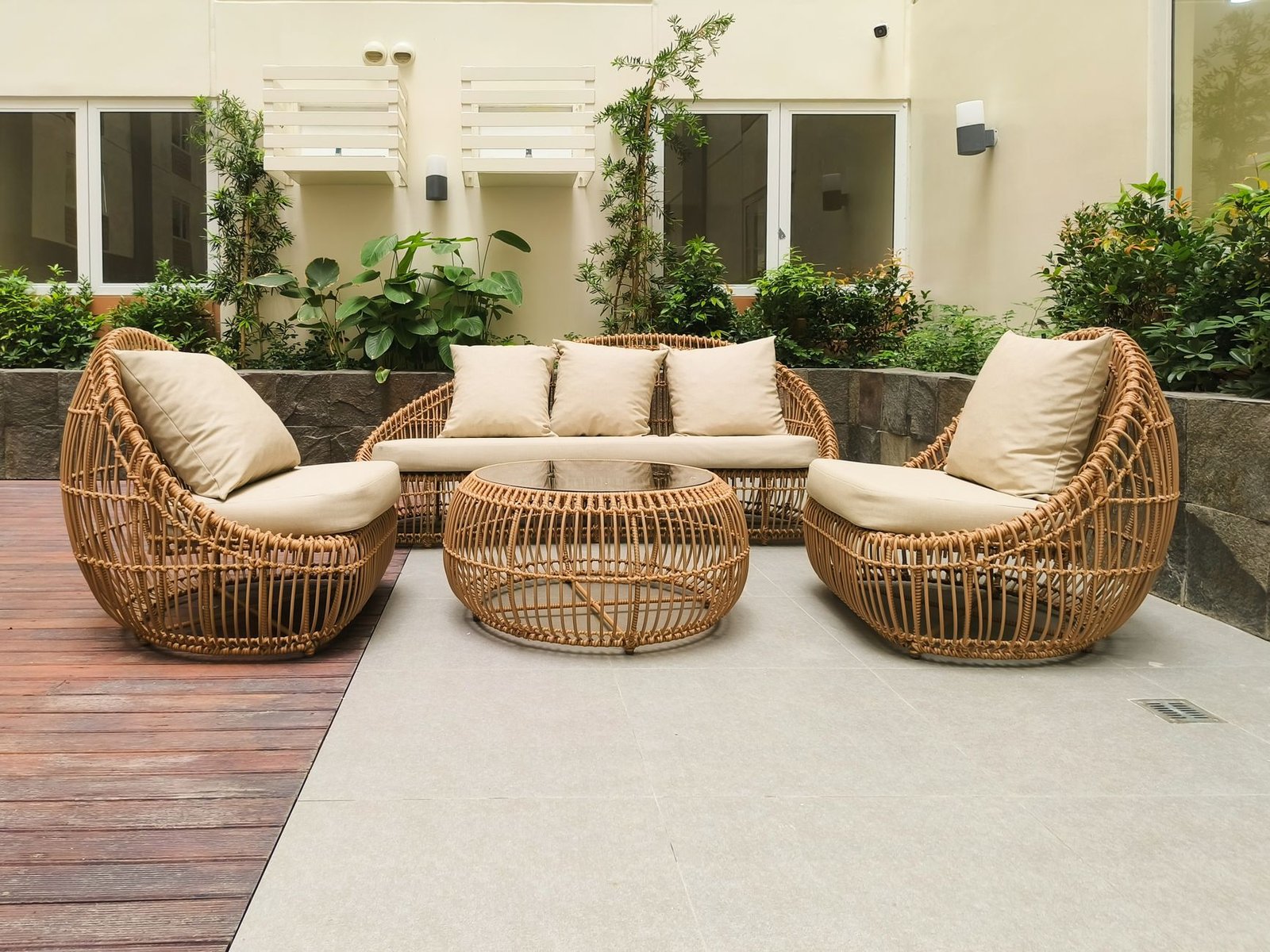
As homeowners prepare their outdoor spaces for the distinct weather patterns of 2026, a critical decision often arises: whether to invest in wicker or aluminum outdoor furniture. For those prioritizing ultimate longevity and minimal structural degradation, high-grade aluminum typically offers a superior lifespan. However, significant advancements in synthetic wicker materials mean that modern resin wicker now presents a remarkably durable and long-lasting alternative, often outperforming lower-quality aluminum products when properly maintained.
The Evolution of Wicker: Synthetic for 2026 Durability
When considering wicker for outdoor use in 2026, it is imperative to distinguish between natural wicker and its modern synthetic counterpart. Natural wicker, derived from materials like rattan, willow, or bamboo, remains primarily an indoor or covered patio option due to its susceptibility to moisture, UV damage, and rot. Modern outdoor wicker, conversely, is almost exclusively fabricated from high-density polyethylene (HDPE), PVC, or nylon resins. These synthetic fibers are engineered for extreme weather resistance.
Understanding Modern Resin Wicker
Contemporary synthetic wicker is a far cry from earlier versions that quickly faded or became brittle. Manufacturers in 2026 utilize advanced extrusion techniques and UV inhibitors embedded directly into the resin. This ensures that the material resists cracking, peeling, and fading even under intense solar exposure. The weaving itself is often around a robust aluminum or steel frame, providing foundational stability. High-quality HDPE wicker is non-porous, making it resistant to mold and mildew, a crucial factor in humid 2026 climates.
Durability Factors of Synthetic Wicker
- UV Resistance: Advanced UV stabilizers prevent brittleness and color degradation.
- Moisture Resistance: Impervious to rain and humidity, preventing rot or swelling.
- Temperature Extremes: Engineered to withstand significant temperature fluctuations without compromising structural integrity.
- Fade Resistance: Pigments are often infused throughout the material, not just coated on the surface, ensuring lasting color.
Aluminum: The Lightweight Heavyweight for Outdoor Durability
Aluminum has long been a benchmark for outdoor furniture durability, and its status remains strong in 2026. Its inherent properties make it an ideal material for environments exposed to the elements. Aluminum frames are typically hollow, offering significant strength without excessive weight, allowing for easy repositioning of furniture.
Advantages of Powder-Coated Aluminum
The key to aluminum’s outdoor longevity lies in its finishing. Raw aluminum is naturally resistant to rust, but powder coating elevates its performance significantly. This electrostatic application of dry powder, followed by heat curing, creates a hard finish tougher than conventional paint. In 2026, new developments in powder coating include ceramic-infused options for enhanced scratch resistance and antimicrobial properties, beneficial for shared outdoor spaces. The coating also seals the aluminum, protecting it from corrosion exacerbated by salt air in coastal regions or industrial pollutants.
Longevity and Structural Integrity
Aluminum furniture boasts exceptional structural integrity. Welded joints provide robust connections that resist loosening over time, even with frequent use. Unlike some other metals, aluminum does not rust, which is a primary cause of outdoor furniture failure. A well-maintained, high-quality powder-coated aluminum set can easily last 15-20 years or more, making it a significant long-term investment for the homeowner.
Direct Comparison: Durability in 2026 Climates
When placing wicker and aluminum side-by-side for 2026 weather, a nuanced perspective is essential, considering regional climate variations and material quality.
UV Radiation and Fade Resistance
- Wicker: High-grade synthetic wicker (HDPE) performs exceptionally well against UV. Its integrated inhibitors mean colors hold true for many years. However, prolonged, extreme UV exposure in arid, sunny regions can eventually cause some stiffening or minor color shift over a decade.
- Aluminum: The powder coating is the primary defense against UV. Quality coatings are highly stable and resist fading and chalking. Scratches that penetrate the coating, however, expose the aluminum and can lead to oxidation, though not rust, and potentially compromise aesthetics.
Moisture, Rain, and Humidity Performance
- Wicker: Synthetic wicker is essentially waterproof. Water beads off or drains through the weave. It’s unaffected by high humidity, preventing mildew growth on the material itself, though cushions will require proper care.
- Aluminum: Aluminum is impervious to moisture and humidity; it does not rot or swell. Powder coating provides an additional barrier. Standing water in hidden crevices of poorly designed pieces could, in rare cases, lead to issues over many years, but this is uncommon with quality manufacturing.
Temperature Fluctuations and Stress
- Wicker: Modern synthetic wicker is designed to handle a broad range of temperatures without becoming brittle in cold or excessively soft in heat. However, extreme, rapid temperature shifts over decades could, theoretically, contribute to material fatigue.
- Aluminum: Aluminum expands and contracts minimally with temperature changes, making it incredibly stable. Its structural integrity is highly resilient to freeze-thaw cycles or intense summer heat, making it suitable for all climates, including those experiencing increasing temperature volatility in 2026.
Maintenance and Care for Prolonged Lifespan
Both materials are relatively low maintenance, but specific care routines can significantly extend their lifespan.
Wicker Maintenance Protocols
- Regular dusting and wiping with a damp cloth are usually sufficient.
- For deeper cleaning, a mild soap and water solution, applied with a soft brush, can remove accumulated dirt from the weave.
- Rinsing thoroughly is crucial to prevent soap residue buildup.
- Annual inspection for any loose strands or frame damage is recommended.
Aluminum Care Strategies
- Simple wiping with a damp cloth removes most surface grime.
- For a more thorough clean, a mild detergent and water solution followed by a rinse is effective.
- Avoid abrasive cleaners or brushes, which can scratch the powder coating.
- Any chips or scratches in the coating should be touched up promptly with specialized paint to prevent localized oxidation and preserve aesthetics.
Aesthetic Appeal and 2026 Design Trends
Beyond durability, the visual impact of outdoor furniture plays a significant role in a homeowner’s choice, aligning with contemporary design trends for 2026.
Wicker’s Textural Warmth
Synthetic wicker excels at creating a cozy, organic, and inviting atmosphere. Its intricate weaves introduce texture and visual softness to an outdoor space, complementing biophilic design principles that integrate natural elements. The material often mimics traditional rattan, lending a timeless, resort-like feel. In 2026, designers are exploring larger, bolder weaves and incorporating mixed materials, such as wicker with teak accents, for added sophistication.
Aluminum’s Modern Versatility
Aluminum furniture offers immense versatility, fitting seamlessly into minimalist, industrial, contemporary, and even transitional outdoor designs. Its ability to be cast, extruded, and welded into precise shapes allows for sleek lines, geometric forms, and innovative silhouettes. Powder coating allows for a vast palette of colors, from classic black and white to trending muted earth tones and deep jewel hues. 2026 trends see aluminum often paired with teak, concrete, or marine-grade fabrics to create sophisticated, multi-textured arrangements, sometimes integrating smart lighting or charging solutions directly into the frames.
Cost-Benefit Analysis and Investment Value
Initial cost is often a factor, but a true comparison requires evaluating long-term value.
- Wicker: The price range for synthetic wicker is broad. Entry-level sets are affordable but may use lower-grade PVC that degrades faster. High-end HDPE wicker, especially with powder-coated aluminum frames, can rival the cost of pure aluminum, offering excellent long-term value due to its robust construction.
- Aluminum: Quality aluminum furniture typically represents a higher upfront investment. However, its exceptional lifespan and minimal maintenance requirements often translate into a lower cost of ownership over two decades compared to replacing cheaper furniture multiple times.
Making the Informed Choice for the Outdoor Space
Choosing between wicker and aluminum outdoor furniture in 2026 depends heavily on the homeowner’s priorities regarding lifespan, aesthetic preference, and maintenance tolerance. For the absolute longest structural life and minimal concern for wear, high-quality powder-coated aluminum is generally the superior choice. Its inherent rust resistance and structural rigidity make it a set-it-and-forget-it option for decades.
However, for those who value warmth, texture, and a more organic aesthetic without sacrificing significant durability, premium synthetic HDPE wicker presents a highly competitive and robust alternative for 2026. With proper care, these modern wicker pieces can easily provide 10-15 years of beauty and function, especially when built on aluminum frames. Ultimately, the discerning resident will prioritize investing in quality materials and construction, regardless of the primary material chosen, to ensure their outdoor living space remains comfortable and beautiful for many seasons to come.