
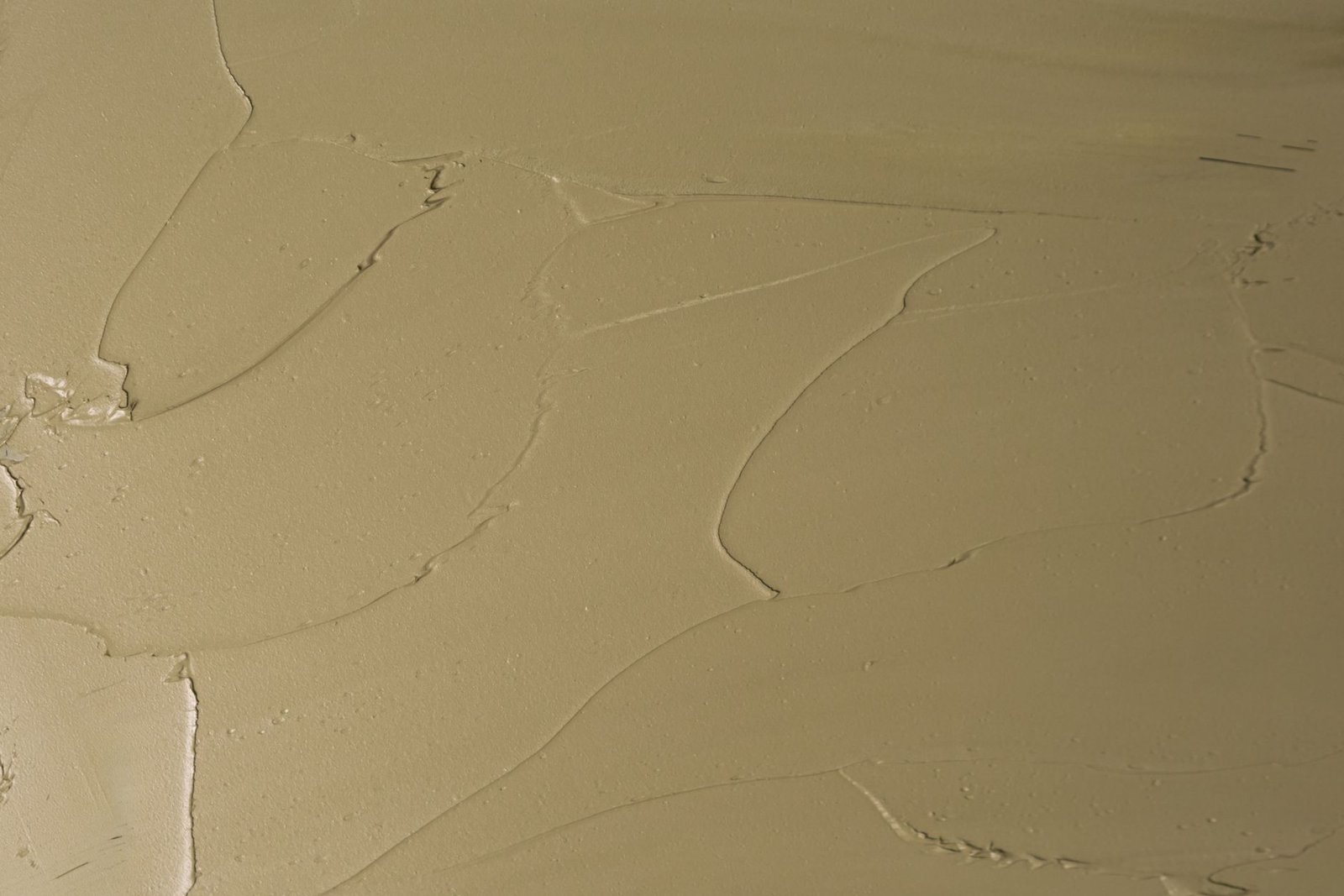
Matte vs. Gloss Paint: Which Hides Imperfections Better, 2026?
When selecting a paint finish for interior walls, the capacity of a finish to conceal surface imperfections is a paramount consideration for achieving a flawless aesthetic. For 2026 walls, matte paint is unequivocally superior in hiding imperfections compared to gloss paint finishes. Its unique light-diffusing properties effectively camouflage minor bumps, dents, and textural irregularities, presenting a smoother, more uniform surface perception.
Understanding Paint Finishes: The Basics of Sheen
Paint finishes are primarily distinguished by their sheen level, which dictates how much light they reflect. This spectrum ranges from flat matte to high-gloss, with intermediate options like eggshell, satin, and semi-gloss offering varying degrees of reflectivity. The interaction of light with the painted surface is crucial; highly reflective surfaces tend to magnify any surface defect, while less reflective surfaces diffuse light, making flaws less noticeable.
A finish’s sheen is determined by the ratio of pigment to binder and the size and type of pigments and additives. In 2026, material science continues to refine these formulations, offering advanced performance across all sheen levels, yet the fundamental principles of light interaction remain constant. Understanding these basics is critical for any homeowner or designer aiming for optimal visual outcomes.
Matte Paint: The Master of Concealment
Properties and Light Diffusion
Matte paint, including its flatter variations, possesses the lowest sheen level, often appearing velvety or chalky. Its surface absorbs a significant amount of light rather than reflecting it directly. This light diffusion is the primary mechanism by which matte finishes excel at concealing wall imperfections. Minor undulations in plaster, hairline cracks, spackle marks, and inconsistencies in drywall texture are softened and made less apparent. The absence of a reflective quality means there are no bright spots to draw the eye to surface irregularities, resulting in a consistently even and forgiving appearance.
Aesthetic Impact and 2026 Trends
The aesthetic impact of matte paint is one of sophistication, modernity, and understated luxury. It creates a soft, inviting ambiance, making it a favored choice for living areas, bedrooms, and contemporary commercial spaces where a serene and elegant backdrop is desired. For 2026, matte formulations have evolved significantly beyond their historical reputation for being less durable or washable. Modern matte paints incorporate advanced polymer binders, ceramic microspheres, and even graphene-infused technologies that offer substantially enhanced scrub resistance, stain repellency, and scratch durability. These innovations allow the exquisite look of matte to be practical in a wider array of residential settings, making it an even more attractive option for concealing flaws without sacrificing longevity. Furthermore, deep, rich colors often appear more saturated and luxurious in a matte finish, as the lack of reflection allows the pigment to be fully appreciated.
Ideal Applications
Matte finishes are ideally suited for walls that are less than perfectly smooth or that are in areas with low to moderate traffic. They are an excellent choice for ceilings, where they help to minimize surface flaws and create a uniform visual plane. For older homes with characterful but imperfect walls, matte paint is often the most forgiving option. Its ability to absorb rather than reflect light also makes it an excellent choice for photography studios or rooms where glare reduction is desired.
Gloss Paint: Clarity and Challenges for Flaws
Properties and Light Reflection
At the opposite end of the sheen spectrum, gloss paint — including semi-gloss and high-gloss — possesses a highly reflective surface. This mirror-like quality is produced by a higher concentration of resin binders and finer pigments, resulting in a smooth, hard film. While offering a vibrant, crisp aesthetic, this direct light reflection is also gloss paint’s biggest challenge regarding imperfections. Every tiny flaw, every subtle divot, every brushstroke, and every uneven patch on the wall surface is magnified and highlighted by the reflected light. It demands an absolutely pristine substrate to look its best.
Aesthetic Impact and 2026 Trends
Gloss paint delivers a bright, energetic, and often dramatic aesthetic. It can make a room feel larger and more illuminated by reflecting ambient light. It emphasizes architectural details, trim work, and doors, giving them a crisp, defined edge. In 2026, high-performance gloss finishes feature advanced acrylic and urethane resins for exceptional hardness, chip resistance, and superior adhesion. New developments include self-cleaning properties, antimicrobial additives for hygiene-sensitive environments, and increased resistance to yellowing. Sustainable, bio-based resin technologies are also pushing the boundaries of durability and environmental friendliness for these high-sheen coatings. While these advancements improve the practical aspects of gloss paint, they do not alter its fundamental nature of revealing surface imperfections.
Ideal Applications
Due to its exceptional durability and ease of cleaning, gloss paint is best reserved for surfaces that demand frequent washing and are subject to high wear. This includes doors, window trim, baseboards, cabinetry, and feature walls where a perfectly smooth substrate can be guaranteed. In kitchens and bathrooms, its moisture resistance and wipeability are invaluable. However, for large wall expanses, particularly those in older homes or with known surface defects, the use of a gloss finish is generally discouraged unless extensive and meticulous surface preparation is undertaken.
2026 Industry Innovations for Flawless Finishes
The paint and coatings industry in 2026 offers several innovations that can assist in achieving flawless walls, regardless of the chosen finish:
- Advanced Priming and Surface Prep: New generations of self-leveling primers and high-build surfacers are available. These products are formulated to fill minor imperfections, smooth out texture differences, and create a perfectly even base before the topcoat is applied. For surfaces with significant flaws, these primers can dramatically reduce the visual impact, making both matte and, to a lesser extent, gloss finishes more viable.
- Smart Paint Technologies: Some modern paint formulations incorporate micro-filler additives or advanced rheology modifiers that subtly improve surface leveling during application, helping to minimize minor defects. While not a substitute for proper prep, these technologies contribute to a more uniform final appearance.
- Eco-Conscious Formulations: Across all sheen levels, the market has seen a continued expansion of low-VOC (Volatile Organic Compound) and zero-VOC paints, including bio-based options. These products not only ensure healthier indoor air quality but often feature superior spread rates and hiding capabilities, contributing to a better finish with fewer coats.
Making the Strategic Choice: Which Finish for Which Wall?
The ultimate decision between matte and gloss paint involves a comprehensive assessment of several factors:
- Assessing Wall Condition: If the walls possess even minor imperfections—old plaster repairs, small dents, previous paint roller marks—matte paint is the pragmatic choice. For perfectly new or meticulously prepared walls, gloss becomes an option.
- Considering Room Function and Traffic: High-traffic areas (hallways, children’s rooms) generally benefit from more durable, washable finishes. While 2026 mattes are significantly more robust, gloss still holds an edge for extreme durability and ease of cleaning.
- Desired Aesthetic and Ambiance: The choice also hinges on the intended mood. Matte provides a soft, calming, contemporary look, while gloss offers a vibrant, modern, and sometimes dramatic effect.
- The Blended Approach: Eggshell and Satin: For those desiring a balance, finishes like eggshell or satin offer a subtle sheen that provides some durability and washability while still being moderately forgiving of minor imperfections. They represent a popular compromise for many residential applications.
Conclusion
In the perennial debate of paint finishes, when the objective is to hide wall imperfections effectively, matte paint unequivocally stands as the superior choice for 2026 walls. Its unique ability to diffuse light rather than reflect it makes minor surface flaws disappear into the background, creating a smooth and sophisticated visual. While gloss finishes offer unmatched durability and a brilliant aesthetic for specific applications like trim and perfectly prepped surfaces, their inherent reflectivity unforgivingly highlights every surface irregularity. The prudent homeowner or designer will carefully assess wall condition, desired aesthetic, and room functionality, leveraging modern paint innovations, to select the finish that best achieves a flawless and enduring interior.