
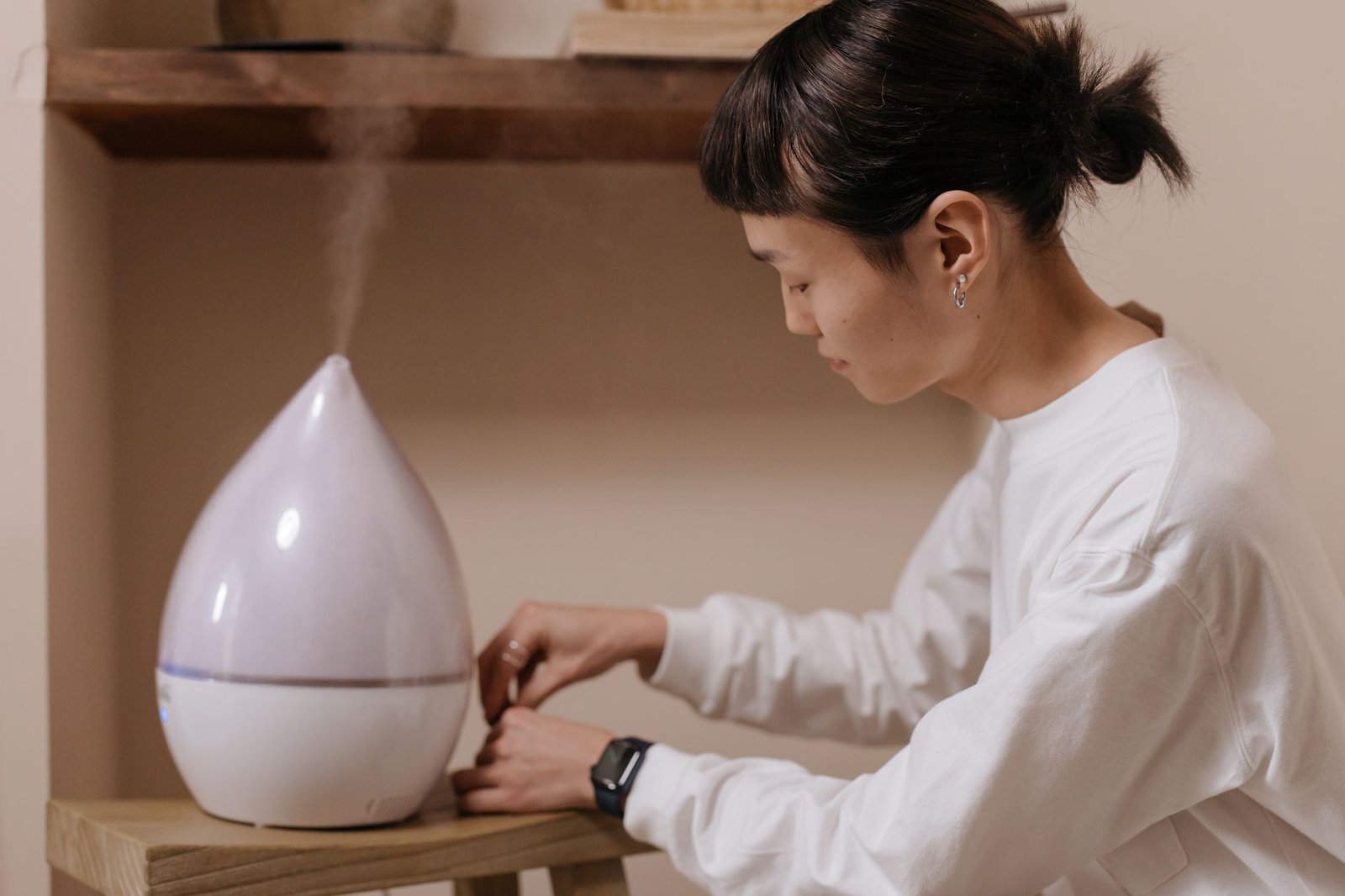
Addressing indoor air quality is paramount for domestic comfort and wellness, especially when combating airborne mold spores and mildew. In 2026, the most effective air purifiers for mitigating these microscopic contaminants are those that integrate medical-grade High-Efficiency Particulate Air (HEPA) filtration with advanced activated carbon filters, often supplemented by ultraviolet-C (UV-C) light sterilization or photocatalytic oxidation (PCO) technologies. While air purification significantly reduces airborne mold and mildew, it is crucial to remember that these devices complement, rather than replace, comprehensive moisture control and source remediation efforts.
Understanding Mold Spores and Mildew in Indoor Environments
Mold and mildew are pervasive fungal growths that thrive in damp, humid conditions indoors. Their microscopic spores become airborne, easily dispersing throughout a dwelling. These spores are a significant concern for indoor air quality and resident health, often leading to various adverse reactions.
The Health Implications of Airborne Mold
Exposure to airborne mold spores can trigger a range of health issues, particularly for sensitive individuals. Common symptoms include respiratory irritation, sneezing, coughing, watery eyes, and skin rashes. For those with allergies or asthma, mold exposure can significantly exacerbate symptoms, leading to more severe respiratory distress. Certain molds also produce mycotoxins, which can pose more serious health risks over prolonged exposure. Given their invisible nature and persistent presence once established, active air management is vital.
Sources and Prevention
Mold and mildew typically originate from areas with persistent moisture, such as leaky pipes, damp basements, poorly ventilated bathrooms, or after water damage incidents. Effective prevention hinges on managing indoor humidity levels, ideally keeping them below 60%, ensuring adequate ventilation, and promptly addressing any water intrusions or leaks. While source removal and moisture control are foundational, an advanced air purifier serves as a critical secondary defense, capturing spores that have already become airborne.
Key Air Purifier Technologies for Mold and Mildew in 2026
The landscape of air purification technology continues to evolve, offering increasingly sophisticated solutions. For optimal defense against mold spores and mildew, a combination of specialized filtration methods is generally recommended.
High-Efficiency Particulate Air (HEPA) Filtration
HEPA filters are the cornerstone of effective mold spore removal. These filters are designed to capture 99.97% of airborne particles as small as 0.3 microns, which includes the vast majority of mold spores, pollen, pet dander, and dust. In 2026, advancements in HEPA media include longer-lasting, more robust synthetic fibers and innovative pleating designs that maximize surface area for superior particle capture without significantly increasing airflow resistance. True HEPA is a non-negotiable feature for any air purifier targeting mold.
Activated Carbon Filters
While HEPA filters target particles, activated carbon filters are essential for addressing the odors and gaseous compounds associated with mold and mildew. Mold often produces volatile organic compounds (VOCs) that contribute to a musty smell. Activated carbon’s porous structure absorbs these gaseous pollutants through a process called adsorption. Modern carbon filters feature enhanced granular formulations and increased surface area, offering superior capacity for VOCs and other odors, including those from cleaning agents and cooking.
UV-C Light Sterilization
UV-C light technology provides an additional layer of defense against living microorganisms. When mold spores pass through the purifier and are exposed to UV-C light, their DNA and RNA structures are disrupted, effectively inactivating them and preventing reproduction. This sterilization capability is particularly beneficial in humid environments where residual spores might otherwise remain viable. For resident safety, UV-C lamps in air purifiers are always fully enclosed within the unit, preventing direct exposure to the skin or eyes.
Photocatalytic Oxidation (PCO)
PCO technology utilizes a UV-C lamp in conjunction with a titanium dioxide (TiO2) coated filter or catalyst. When UV-C light interacts with TiO2, it creates highly reactive hydroxyl radicals and super-oxide ions. These potent oxidizers break down VOCs, bacteria, viruses, and mold spores at a molecular level, converting them into harmless byproducts like water vapor and carbon dioxide. It is crucial to select PCO units that are independently tested and certified to produce zero ozone, as ozone can be an irritant to the respiratory system.
Emerging Technologies and Considerations
Other technologies like bi-polar ionization and plasmawave systems are also available. While some manufacturers claim effectiveness against airborne microbes, residents should exercise caution and thoroughly research independent certifications regarding ozone emission. For specific mold spore and mildew mitigation, the combination of HEPA, activated carbon, and either UV-C or ozone-free PCO remains the most established and safest approach in 2026.
Selecting the Optimal Air Purifier: Factors to Consider
Choosing the right air purifier involves more than just understanding the technology; it requires evaluating several practical factors to ensure maximum effectiveness for the specific indoor environment.
Coverage Area and CADR (Clean Air Delivery Rate)
The Clean Air Delivery Rate (CADR) is a critical metric, indicating how quickly an air purifier removes pollutants from a room. CADR values are provided for pollen, dust, and smoke. For mold spores, one should generally look at the dust or smoke CADR, as mold spores are typically larger than smoke particles but smaller than pollen. The user must match the purifier’s CADR to the room size, aiming for at least 4-5 air changes per hour (ACH) for optimal mold spore removal. A higher CADR means faster purification for a given room.
Filter Lifespan and Maintenance
Regular filter replacement is essential for maintaining purification efficiency. HEPA and activated carbon filters have finite lifespans, typically ranging from 6 to 12 months, depending on air quality and usage. UV-C lamps also require periodic replacement, usually every 1-2 years. The homeowner should consider the cost and availability of replacement filters and lamps as part of the overall investment. Neglecting filter changes can lead to reduced effectiveness and potentially recirculate captured pollutants.
Noise Levels
Air purifiers operate with internal fans, and their noise output can vary significantly. For units placed in bedrooms, offices, or living areas, a low noise level (measured in decibels, dB) on lower fan settings is highly desirable. Many modern purifiers offer