
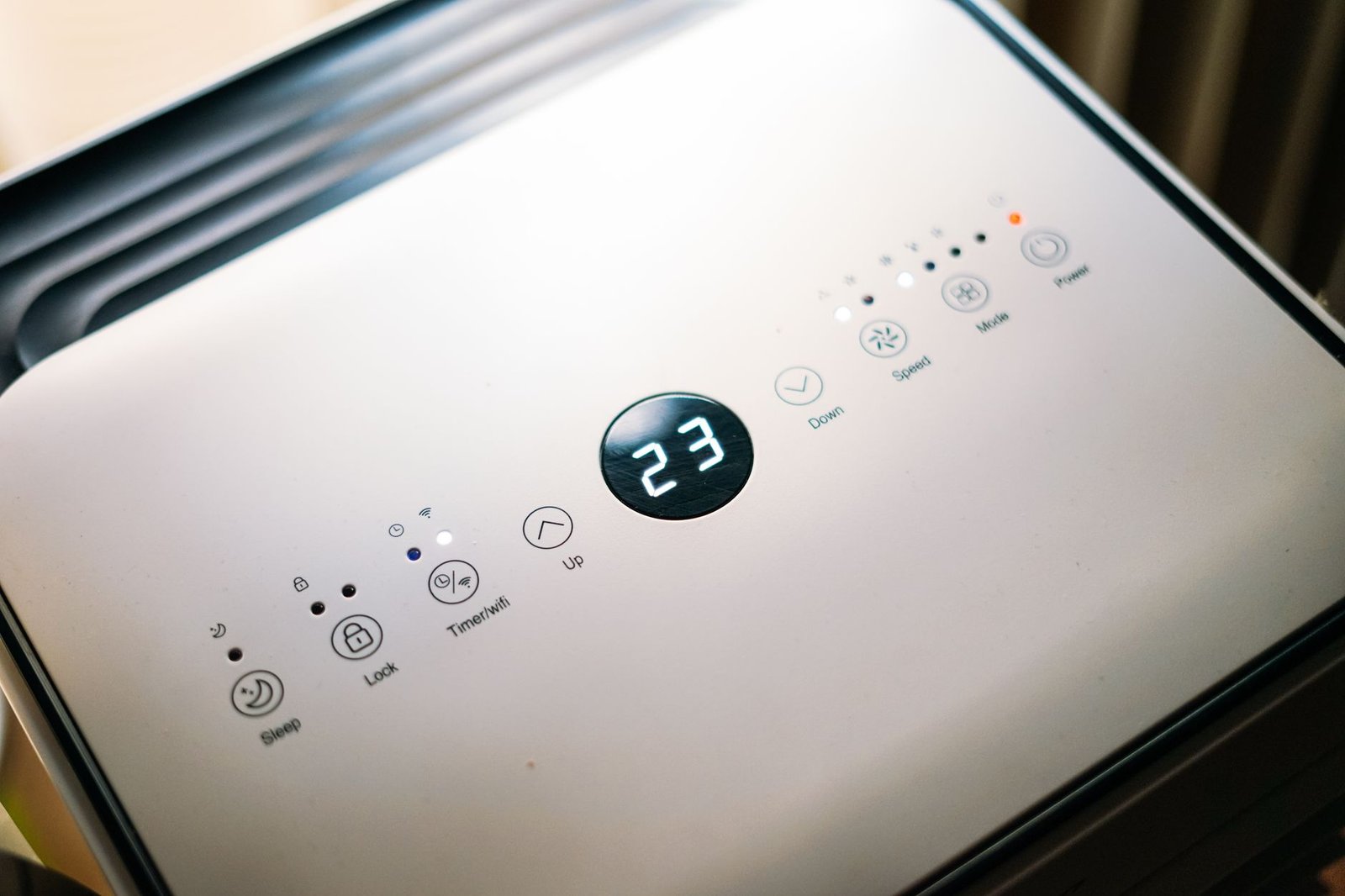
Determining whether an air purifier or a dehumidifier more effectively improves indoor air quality (IAQ) in 2026 depends entirely on the specific environmental challenge being addressed. While both devices contribute significantly to a healthier living space, an air purifier is primarily designed to remove airborne particulate matter, allergens, and pollutants, whereas a dehumidifier’s core function is to reduce excess moisture, thereby mitigating mold, mildew, and dust mite proliferation. For truly optimal IAQ, a synergistic approach often yields the most comprehensive benefits, as their functions are distinct yet highly complementary.
Understanding the Modern Air Purifier in 2026
Air purifiers are engineered to clean the air by filtering out various contaminants. Their primary role is to address airborne particles that can irritate respiratory systems, trigger allergies, or simply degrade the perceived freshness of an indoor environment. In 2026, air purifiers have evolved significantly, moving beyond basic HEPA filtration.
Key Functions and Targets:
- Particle Removal: State-of-the-art purifiers feature multi-stage filtration systems. This typically includes a pre-filter for larger particles, advanced HEPA 14 or even HEPA 15 filters capable of capturing 99.995% of particles as small as 0.1 microns, including pollen, pet dander, dust mites, and ultrafine particulate matter (PM2.5 and PM0.3) originating from combustion or traffic.
- Chemical Adsorption: Activated carbon filters have become more sophisticated, featuring increased surface area and specific impregnations to effectively adsorb volatile organic compounds (VOCs) from cleaning products, paints, new furniture, and cooking, along with smoke and general odors.
- Microbial Inactivation: Many high-end models now integrate UV-C germicidal lamps or photocatalytic oxidation (PCO) technology. These systems are designed to inactivate viruses, bacteria, and mold spores that pass through the device, offering an additional layer of protection against airborne pathogens.
2026 Industry Trends:
- Smart Integration: AI-driven sensors and machine learning algorithms allow purifiers to continuously monitor IAQ, automatically adjusting fan speeds and filtration intensity based on real-time pollutant levels. Connectivity with smart home ecosystems enables seamless control and data analysis for the resident.
- Energy Efficiency: Advancements in motor technology and filter design mean that 2026 purifiers are significantly more energy-efficient, often meeting stringent Energy Star standards while delivering superior air changes per hour (ACH).
- Sustainable Materials: A growing emphasis on environmental responsibility has led to the development of longer-lasting, washable, or fully recyclable filter media, reducing landfill waste. Chassis construction increasingly utilizes recycled plastics and low-impact manufacturing processes.
- Quiet Operation: Noise reduction technology ensures powerful air purification can occur without disrupting the resident’s comfort, even in bedrooms or quiet workspaces.
Understanding the Modern Dehumidifier in 2026
Dehumidifiers are specifically designed to reduce the humidity level in indoor air. High humidity can create a multitude of problems, from discomfort to structural damage and significant health concerns. These devices draw in moist air, cool it to condense the water vapor, collect the water, and then release drier, slightly warmer air back into the room.
Key Functions and Targets:
- Moisture Control: The primary function is to maintain relative humidity (RH) within the optimal range of 40-60%. This directly prevents the conditions conducive to various indoor air quality issues.
- Mold and Mildew Prevention: By eliminating excess moisture, dehumidifiers effectively stop the growth and spread of mold and mildew, which are significant allergens and can produce unpleasant, musty odors and mycotoxins.
- Dust Mite Reduction: Dust mites thrive in high-humidity environments. Reducing airborne moisture levels directly inhibits their proliferation, lessening a common trigger for allergies and asthma.
- Odor Mitigation: Musty odors often indicate mold or bacterial growth facilitated by dampness. Dehumidifiers address the root cause of these odors.
- Structural Preservation: Sustained high humidity can lead to warping of wood, peeling paint, and deterioration of building materials, all of which are mitigated by proper moisture control.
2026 Industry Trends:
- Precision Humidity Sensing: Advanced hygrometers provide highly accurate readings, allowing devices to maintain ideal humidity levels with minimal fluctuation and energy use.
- Integrated Drainage Solutions: Beyond simple reservoir tanks, many 2026 models feature continuous drainage options, often with integrated pumps, making them suitable for basements or unattended operation.
- Compact and Aesthetic Design: Modern dehumidifiers are more compact and aesthetically pleasing, designed to blend seamlessly into various home décors, moving away from bulky, industrial appearances.
- Energy Star Compliance: Significant strides in compressor technology have led to highly efficient units that remove more moisture per kilowatt-hour, aligning with homeowner demands for lower operational costs.
- Smart Control & Monitoring: Like air purifiers, 2026 dehumidifiers often integrate with smart home platforms, offering remote control, scheduling, and real-time humidity reporting for the resident.
Air Purifier vs. Dehumidifier: Which Is More Effective for Specific IAQ Concerns?
The choice between an air purifier and a dehumidifier, or indeed the decision to employ both, hinges on the specific IAQ challenges a resident is facing. It is rarely a ‘versus’ situation, but rather a strategic deployment based on environmental analysis.
When an Air Purifier is Paramount:
- Allergens and Asthma Triggers: For residents suffering from pollen allergies, pet dander sensitivities, or asthma exacerbated by airborne particles, an air purifier with a high-efficiency HEPA filter is the primary solution.
- Chemical Sensitivities & VOCs: In homes with new furnishings, recent renovations, or where cleaning products are frequently used, an air purifier with a robust activated carbon filter is essential for adsorbing gaseous pollutants.
- Smoke and Odors (Particulate): From cooking odors to wildfire smoke, an air purifier targets the particulate and gaseous components that cause irritation and unpleasant smells.
When a Dehumidifier is Paramount:
- Mold and Mildew Problems: In damp basements, humid climates, or bathrooms lacking adequate ventilation, a dehumidifier is the unequivocal solution for preventing and controlling mold and mildew growth.
- Dust Mite Infestations: If a resident experiences year-round allergy symptoms related to dust mites, reducing indoor humidity levels below 50% with a dehumidifier is crucial.
- Sticky, Stuffy Environments: A feeling of oppressive stickiness or stuffiness, particularly during warmer months, is a direct indicator of high humidity that a dehumidifier can alleviate, enhancing thermal comfort.
- Condensation Issues: Visible condensation on windows or cold surfaces points to excess moisture that needs to be removed to prevent subsequent mold growth and structural damage.
The Synergy: Achieving Optimal Indoor Air Quality
For many homes, particularly those in temperate to humid climates, the optimal solution involves using both an air purifier and a dehumidifier. These devices do not compete but rather complement each other, addressing different facets of indoor air quality.
- A resident in a humid environment might first use a dehumidifier to bring the relative humidity down to an optimal range (e.g., 45-50%). This action alone will significantly reduce the potential for mold, mildew, and dust mites.
- Simultaneously, an air purifier can be employed to filter out residual airborne particles, allergens, and VOCs that the dehumidifier does not address.
The integration of these technologies into a holistic IAQ strategy represents the forefront of domestic comfort analysis in 2026. Homeowners are increasingly opting for smart systems that can manage both humidity and air purity levels automatically, responding to sensor data and user preferences to maintain ideal conditions year-round.
Conclusion
Ultimately, neither an air purifier nor a dehumidifier can unilaterally claim to improve indoor air quality more than the other across all scenarios. Their effectiveness is entirely contingent on the specific pollutants or environmental factors present. The expert home interior designer or domestic comfort analyst will recommend a needs-based approach. For airborne particulate matter, allergens, and gaseous pollutants, the air purifier is the champion. For excess moisture, mold prevention, and dust mite control, the dehumidifier is indispensable. In 2026, the most effective strategy for truly superior indoor air quality often involves a smart, integrated approach utilizing both advanced devices to create a healthier, more comfortable living environment.