
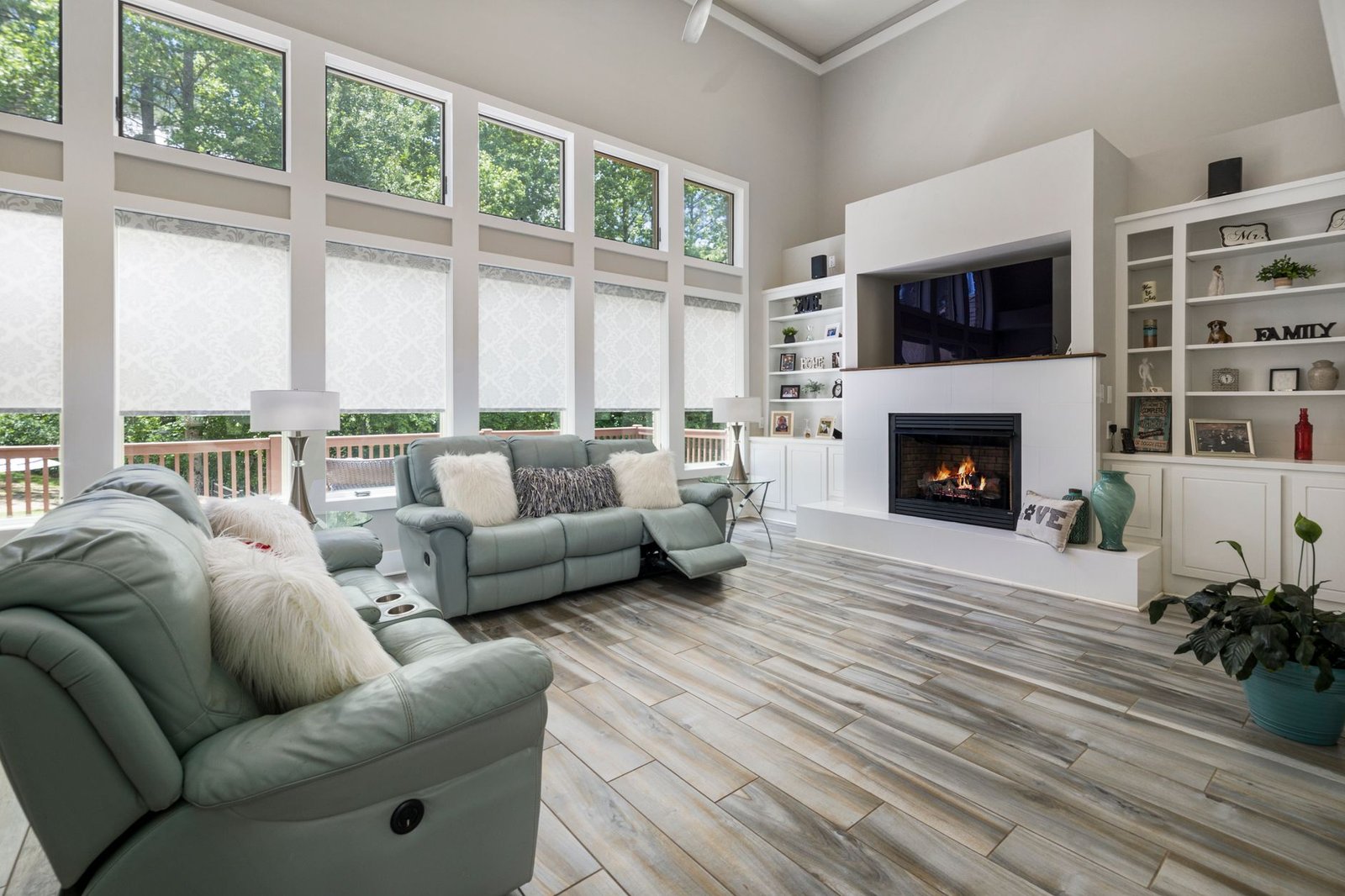
A living room that feels perpetually dark can significantly impact the overall comfort and mood of a home. Addressing a gloomy living room requires strategic decor choices, focusing on reflective surfaces, innovative lighting, and intelligent material selections. By implementing a combination of these seven expert-approved strategies, residents can transform even the most light-starved spaces into vibrant, welcoming environments, leveraging the latest interior design trends and material advancements of 2026.
1. Harnessing Reflective Wall Finishes
The foundation of a brighter living space begins with the walls. Selecting the correct paint color and finish is paramount. While intuitive, choosing a light shade is only the first step; understanding its reflective properties is crucial for maximizing brightness.
The Power of Reflective Hues & Finishes
- Warm Whites & Off-Whites: Shades like ‘Cloud Kiss’ or ‘Morning Mist’ are more than just neutrals; their subtle undertones can bounce light effectively, preventing a sterile feel.
- Pale Pastels: Soft blues, greens, and yellows (e.g., ‘Aqua Glimmer’ or ‘Sunbeam Cream’) introduce subtle color while maintaining high light reflectance.
- Cool Greys: Very light, cool-toned greys can act as a sophisticated backdrop, especially when paired with warm lighting, preventing the space from feeling cold.
Beyond color, the finish plays a critical role. For 2026, advancements in paint technology offer more options. Eggshell or satin finishes are traditionally recommended as they offer a subtle sheen that reflects light without being overly glossy, which can create harsh glare. However, new formulations of high-reflectance matte paints are emerging, offering significant light-bouncing capabilities without the traditional drawbacks of a high-sheen surface. These micro-particle enhanced paints scatter light more evenly, making rooms appear larger and brighter without unwanted reflections.
2. The Art of Strategic Mirror Placement
Mirrors are not merely decorative; they are powerful tools for light amplification and spatial expansion. Strategic placement can double the perceived light and space within a dark living room.
Optimizing Reflection & Depth
- Opposite Windows: The most effective placement is directly opposite a window, allowing mirrors to reflect natural light deep into the room. This can make a substantial difference on even the cloudiest days.
- Adjacent to Light Sources: Placing a mirror next to a prominent lamp or sconce amplifies its illumination, casting a wider glow.
- Gallery Walls with Mirrored Elements: Incorporating smaller, decorative mirrors into a gallery wall can add sparkle and visual interest while subtly contributing to brightness.
- Mirrored Furniture: For 2026, the trend of mirrored furniture continues, with elegant side tables, coffee tables, or cabinet fronts providing continuous reflective surfaces that disperse light throughout the space. The use of tinted or antiqued mirror finishes can add character while still performing its brightening function.
Consider large, frameless mirrors for a modern, expansive look, or choose mirrors with light-colored or metallic frames (e.g., polished chrome, brushed brass) that also reflect light.
3. Layered & Smart Lighting Solutions
While natural light is ideal, artificial lighting is essential for supplementing and enhancing a dark living room. The key is to implement layered lighting, integrating 2026’s smart technologies.
Layering Light for Optimal Brightness (2026 Trends)
- Ambient Lighting: This is the general illumination of the room. Overhead fixtures, such as sleek, flush-mount LED panels or chandeliers with upward-facing lights, provide foundational brightness. For 2026, smart LED systems with tunable white technology are standard, allowing residents to adjust color temperature from warm (2700K) to cool (5000K+) to mimic natural daylight cycles or set a mood.
- Task Lighting: Essential for activities like reading or crafting. Floor lamps beside seating, table lamps on side tables, and picture lights for artwork illuminate specific areas. Look for fixtures with adjustable heads and dimming capabilities.
- Accent Lighting: Used to highlight architectural features, plants, or decor. Wall sconces, recessed spotlights, or strip lighting along shelving can create depth and visual interest. Biophilic lighting solutions, which mimic natural light patterns or sun movement, are gaining traction for their wellness benefits.
Solar tubes or light tunnels are becoming increasingly popular for rooms without direct window access, channeling natural light from the roof into interior spaces. Furthermore, lamp shades made from light-colored, translucent materials (e.g., linen, rice paper) allow more light to diffuse outwards, contributing to overall brightness.
4. Curating Light-Optimized Furniture
The materials and colors of furniture significantly influence a room’s perceived brightness. Intelligent furniture choices can make a substantial difference.
Lightening Up with Furniture
- Light-Colored Upholstery: Sofas, armchairs, and ottomans in light neutrals (creams, greys, pale blues) reflect light rather than absorbing it. Performance fabrics in 2026 offer exceptional durability and stain resistance, making light colors practical for everyday use.
- Open-Legged Furniture: Pieces with exposed legs and elevated bases create visual space, allowing light to flow underneath and reducing the heavy, ‘blocky’ feel that dark, solid furniture can impose.
- Transparent Materials: Glass, acrylic, or lightweight composite tables and chairs introduce an element of transparency, allowing light to pass through them rather than being blocked. This is a subtle yet effective way to maintain an airy feel.
- Metallic Accents: Brushed brass, polished chrome, or rose gold on furniture legs, lamp bases, or decorative objects reflect ambient light, adding a touch of sparkle.
5. Selecting Reflective & Sheer Textiles
Textiles play a crucial role in absorbing or reflecting light. Thoughtful choices can enhance a room’s luminosity and overall aesthetic.
Brightening with Fabrics
- Sheer or Light-Filtering Curtains: Opt for window treatments in pale colors (whites, off-whites, very light pastels) made from sheer or light-filtering fabrics. These allow maximum natural light entry while maintaining privacy and softening the light. Avoid heavy, dark drapes that can absorb light and make a room feel smaller.
- Light-Colored Throws & Pillows: Introduce throw blankets and decorative pillows in bright, light colors. Textures like silk, satin, or even subtly iridescent fabrics can add a reflective quality, catching and dispersing light across surfaces.
- Reflective Area Rugs: A light-colored area rug can significantly brighten a floor, especially in contrast to darker flooring. Choose rugs with a subtle sheen or light-reflecting fibers for added effect.
6. Maximizing Unobstructed Natural Light
Even a naturally dark room has some natural light; optimizing its entry can make a profound difference without adding artificial sources.
Unlocking Daylight Potential
- Window Treatment Optimization: Keep windows as unobstructed as possible. Install curtain rods wider than the window frame so drapes can be pulled completely clear of the glass, allowing the full window pane to be exposed. Automated smart blinds for 2026 allow precise control over light entry and privacy, often integrating with home automation systems to respond to daylight conditions or user preferences.
- Clear Window Sills: Avoid cluttering window sills with large objects that can block precious incoming light. Maintain a minimalist approach to maximize light penetration.
- Reflective Window Recesses: Painting window sills or the interior of window recesses in a high-gloss white can reflect incoming light back into the room, enhancing its spread.
7. Integrating Biophilic Design & Greenery
Connecting a living space to nature through biophilic design not only enhances mood but also contributes to a brighter, healthier environment.
Embracing Nature’s Light & Life
- Indoor Plants: Incorporating greenery enhances mood and adds life. Choose plants with lighter green foliage that can tolerate lower light conditions (e.g., ZZ Plant, Snake Plant, Pothos). The presence of living plants connects the resident to nature, aligning with the growing biophilic design principles of 2026, which emphasize human-nature connection for well-being. Strategically placed plants can also help purify the air, a key aspect of domestic comfort analysis.
- Natural Textures & Materials: Incorporate elements like light-toned wood, rattan, and natural stone finishes. These materials often have an inherent warmth and can complement natural light, preventing a sterile feel.
- Light Shelves: These architectural features, often installed above windows, bounce daylight deep into a room, particularly effective in spaces with high ceilings or limited window height, integrating natural light more effectively.
Conclusion
Transforming a dark living room into a bright, inviting space is an achievable goal for any homeowner. By thoughtfully applying principles of light reflection, strategic illumination, and mindful material selection, residents can dramatically enhance their home’s ambiance. From advanced reflective paints and smart lighting systems to transparent furniture and biophilic elements, the design toolkit for 2026 offers innovative solutions to banish gloom. Embracing these strategies ensures a living room that is not only brighter but also more comfortable, functional, and aesthetically pleasing, significantly improving the domestic experience.