
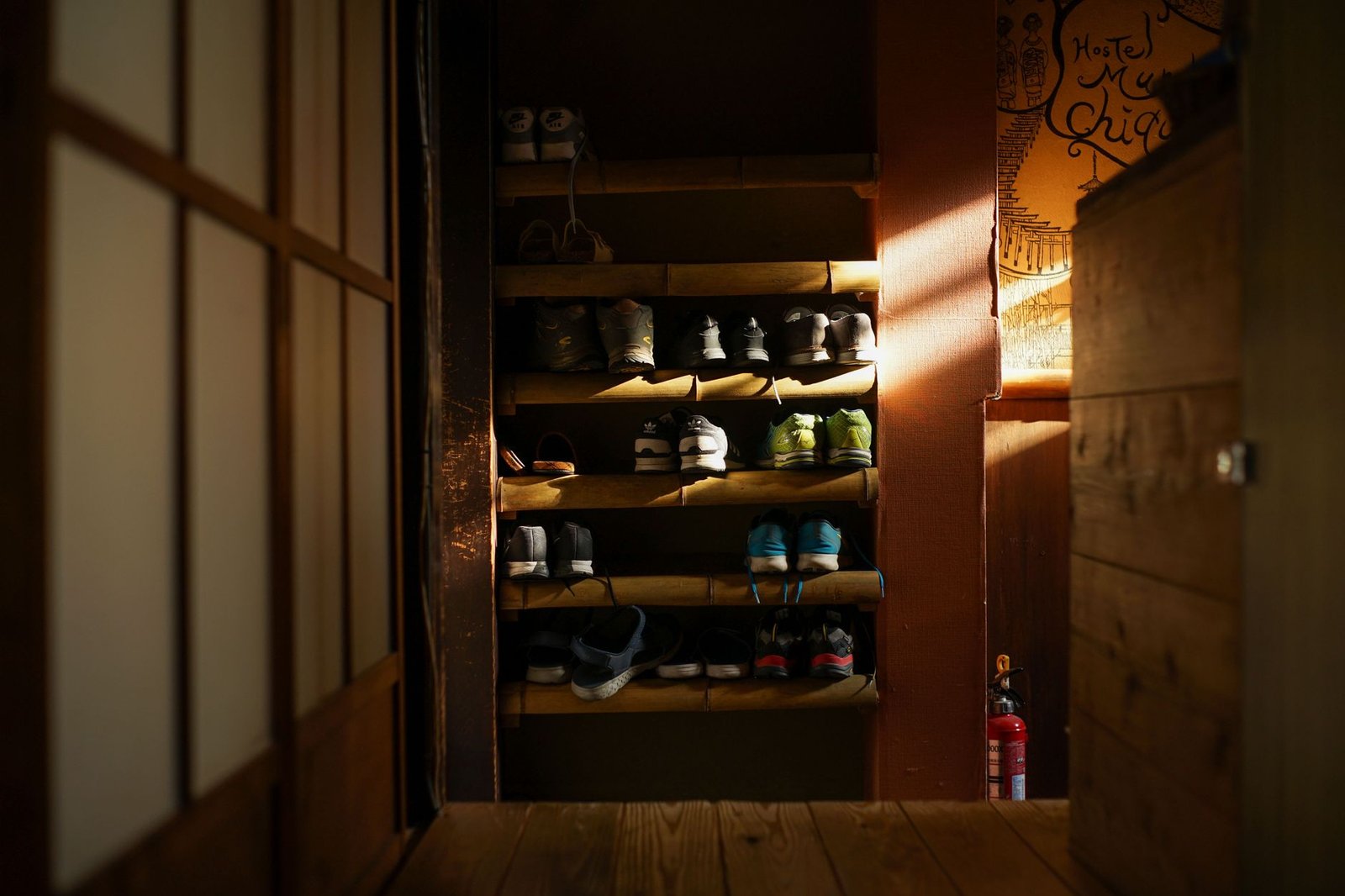
Entryway shoe clutter can quickly transform a welcoming threshold into a disorganized obstacle course, especially in homes with limited square footage. For 2026, managing this common household challenge effectively requires strategic planning and innovative solutions. This article explores six smart storage strategies specifically designed to tackle shoe disarray in compact entryways, leveraging modern design trends and material advancements to create a functional and aesthetically pleasing first impression.
Addressing the immediate need for organization, these solutions focus on maximizing vertical space, integrating multi-functional furniture, and utilizing advanced materials. The goal is to ensure every pair of shoes has a designated, easily accessible spot, thereby enhancing the overall flow and comfort of the home.
Vertical Integration & Modular Systems for Optimal Space Utilization
In smaller entryways, conventional floor-level shoe racks often consume valuable walking space. The most effective approach for 2026 involves looking upwards, utilizing vertical dimensions and flexible modular systems that adapt to evolving needs.
Slim Vertical Shoe Racks: The Space-Saving Stalwarts
Traditional shoe racks have evolved considerably, with 2026 designs emphasizing narrow profiles and sophisticated aesthetics. These units are engineered to stand tall and thin against a wall, often accommodating up to a dozen pairs of shoes within a minimal footprint. Modern iterations frequently feature sustainably sourced materials such as bamboo composites, known for their durability and eco-friendliness, or recycled, high-grade polymers that offer sleek, minimalist lines and easy cleaning. Some models incorporate smart sensor lighting that illuminates compartments upon opening, improving visibility and adding a touch of contemporary luxury. The resident can select units that blend seamlessly with existing decor, creating a cohesive and uncluttered look.
Wall-Mounted Floating Shelves & Cabinets: Elevating Organization
Floating shelves and wall-mounted cabinets are ideal for freeing up floor space entirely, presenting a clean and airy aesthetic. These solutions can be installed at varying heights, allowing the homeowner to customize storage based on shoe type and frequency of use. Current trends favor designs in brushed metals like aluminum alloys for industrial chic, or ethically harvested light wood tones for a biophilic touch. For 2026, smart home integration is becoming more prevalent, with some wall-mounted units featuring discreet, app-controlled LED lighting strips or even integrated air purifiers to combat odors, contributing to a fresher entryway environment. Opting for closed cabinets can also conceal shoes entirely, maintaining a pristine visual landscape.
Multi-Functional Furniture & Hidden Storage for Seamless Integration
The principle of dual-purpose design is paramount in small spaces. Furniture that serves more than one function is a cornerstone of efficient entryway organization, providing storage without sacrificing utility or style.
Storage Benches and Ottomans: Seating with a Secret
An entryway bench provides a convenient spot for putting on or taking off shoes, but a storage bench elevates this utility by incorporating hidden compartments beneath the seat. These are perfect for boots, frequently worn shoes, or even seasonal items. 2026 models feature upholstery in durable, easy-to-clean fabrics, many derived from recycled materials or natural fibers like hemp and organic cotton. Some advanced designs include integrated wireless charging pads for mobile devices, or discreet USB ports, acknowledging the modern resident’s need for connectivity. Ottoman-style storage units offer similar benefits, often being more compact and easily movable, providing flexible seating and storage as needed.
Console Tables with Integrated Shoe Storage: Stylish Concealment
A slim console table is a classic entryway piece, and contemporary designs frequently incorporate shoe storage solutions that are cleverly disguised. This might include pull-out drawers with specialized shoe inserts, hidden drop-down panels, or open shelving discreetly tucked away at the base. Materials range from solid wood with intricate joinery to sleek glass and metal combinations, aligning with various interior styles. The surface of the console table remains free for decorative items, keys, or mail, preserving its aesthetic function. Biophilic design elements, such as planters integrated into the table’s structure or natural wood finishes, are particularly popular in 2026, bringing a sense of calm and nature indoors.
Innovative & Bespoke Solutions for Personalized Efficiency
Beyond standard furniture, customized and adaptable solutions offer tailored answers to unique entryway challenges, ensuring no space goes unused.
Over-the-Door or Behind-the-Door Organizers: Unseen Efficiency
Often overlooked, the back of the entryway door can be an invaluable storage asset, especially in rental properties or homes where permanent fixtures are not desired. Over-the-door organizers typically feature multiple pockets or racks that hang discreetly. In 2026, these are increasingly manufactured from robust, breathable fabrics like reinforced canvas or clear, durable TPU (thermoplastic polyurethane) for easy visibility and improved ventilation. Some models even integrate small, battery-powered dehumidifier packs, useful for maintaining shoe integrity in humid climates. This solution is particularly effective for storing frequently accessed shoes, keeping them off the floor and out of sight.
Custom Built-Ins and DIY Modular Units: Tailored Precision
For those seeking a truly integrated and personalized solution, custom built-in cabinetry or shelving units are unparalleled. A skilled interior designer or carpenter can create bespoke solutions that perfectly fit awkward nooks, under staircases, or along narrow walls, maximizing every inch of available space. These units can incorporate pull-out shelves, individual cubbies, or even ventilated drawers for optimal shoe care. Alternatively, for the enthusiastic DIYer, modular components—often made from recycled or rapidly renewable resources—allow for a customizable, expandable system that can grow with the resident’s needs. The advent of accessible 3D printing services also means custom inserts or connectors can be designed and produced, offering an unprecedented level of personalization in organizing solutions for 2026 homes.
Conclusion: A Welcoming and Organized Entryway in 2026
Successfully managing entryway shoe clutter in a small space hinges on thoughtful selection and implementation of smart storage solutions. By embracing verticality, leveraging multi-functional furniture, and considering innovative or bespoke options, homeowners can transform a chaotic entrance into an organized, inviting, and functional zone. The trends of 2026 emphasize sustainability, smart technology integration, and personalized design, offering numerous opportunities to create an entryway that not only addresses practical needs but also enhances the home’s overall comfort and aesthetic appeal. A clutter-free entry sets a positive tone for the entire residence, reflecting a commitment to organized living and domestic tranquility.