
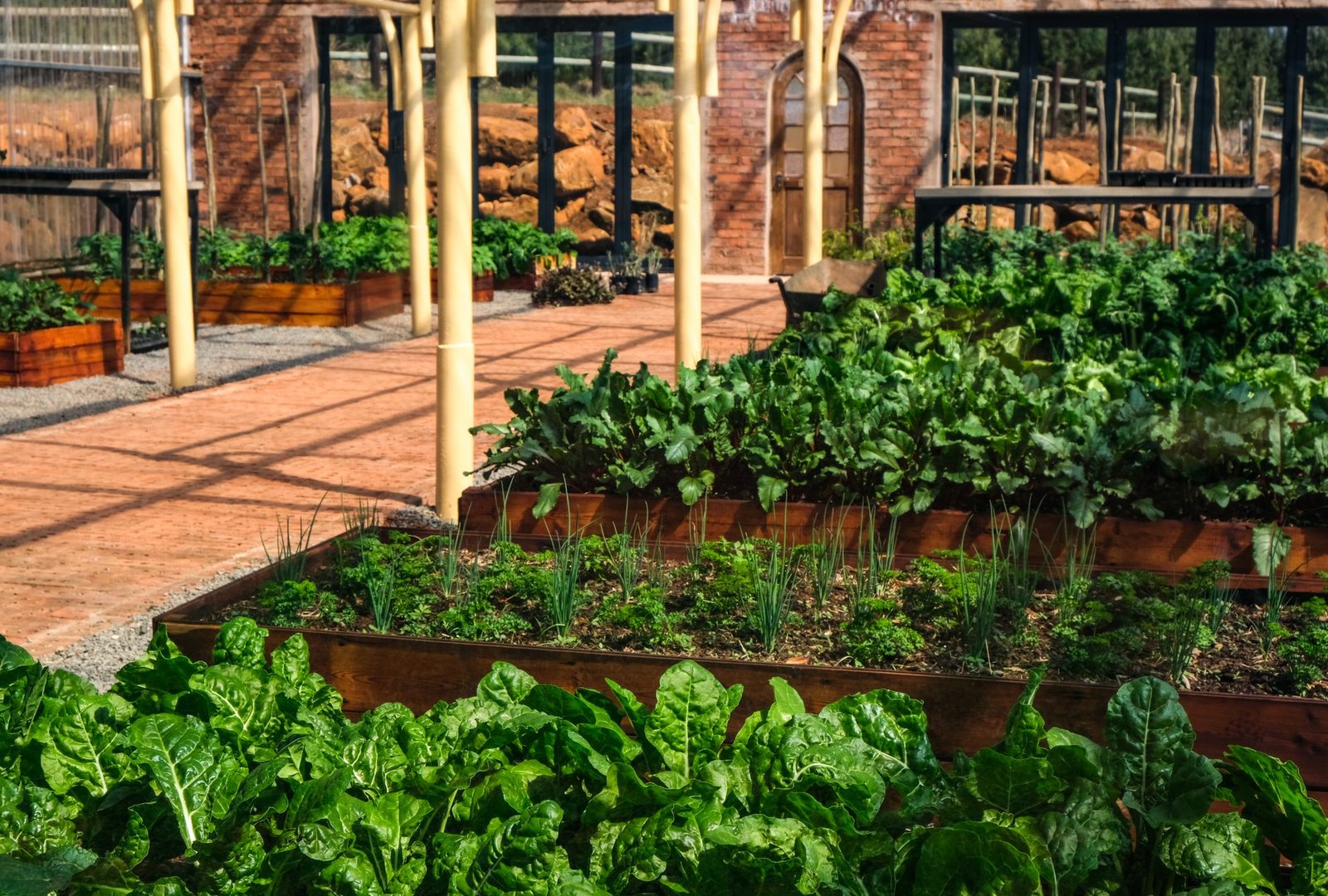
Identifying the optimal drip irrigation kit for raised garden beds in 2026 involves considering advanced water conservation technologies, ease of integration, and material durability. The ‘best’ kit often balances smart functionality with user-friendly installation, adapting to various plant needs and climate conditions. As of 2026, homeowners prioritize systems offering superior efficiency, automation, and sustainable materials to ensure thriving raised beds with minimal effort and environmental impact.
Why Drip Irrigation for Raised Beds in 2026?
Drip irrigation remains an unparalleled solution for raised garden beds, offering significant advantages over traditional watering methods. In 2026, with increasing awareness of water scarcity and a desire for sustainable living, its benefits are more relevant than ever. Drip systems deliver water directly to the plant root zone, minimizing evaporation and runoff, which translates to up to 50% water savings. This precision watering not only conserves a vital resource but also reduces weed growth by not moistening the soil surface broadly, and prevents fungal diseases by keeping foliage dry.
For the modern homeowner, the appeal extends beyond efficiency. Drip irrigation systems integrate seamlessly into smart home ecosystems, offering automation that aligns with a low-maintenance lifestyle. The ability to deliver nutrients directly through fertigation further enhances plant health, ensuring robust growth and bountiful yields. The focused approach of drip technology caters perfectly to the contained and often diverse plant arrangements found in raised beds, allowing for customized watering schedules for different crops within the same bed.
Key Features and 2026 Innovations to Look For
The landscape of drip irrigation technology has evolved significantly by 2026, offering sophisticated features that enhance performance and user convenience. When selecting a kit, several innovations warrant close consideration:
Smart Controllers and IoT Integration
Modern drip irrigation kits often feature smart controllers that leverage AI and machine learning for optimized watering schedules. These systems connect to local weather data, often hyper-local through user-installed sensors or satellite feeds, predicting precipitation and adjusting watering frequency and duration accordingly. Integration with soil moisture sensors provides real-time feedback, ensuring plants receive precisely the water they need, preventing both over and under-watering. Smartphone applications allow for remote monitoring and control, offering unparalleled convenience for the resident.
Advanced Material Science
Durability and sustainability are paramount in 2026. Look for tubing and emitters made from UV-resistant, recycled polymers that can withstand harsh sun exposure and temperature fluctuations for multiple seasons. Some manufacturers are introducing bio-based or partially biodegradable components for less permanent parts, reducing long-term environmental impact. Anti-microbial properties in emitters are also becoming more common, preventing clogging from algae and mineral buildup, thus extending system lifespan.
Modularity and Customization
The best kits in 2026 offer high degrees of modularity, allowing users to easily expand, reconfigure, or customize their system without special tools. Snap-together connectors, adjustable emitter spacing, and various flow rate options for emitters (e.g., 0.5 GPH for succulents, 1.0 GPH for vegetables) ensure the system can be tailored to the specific needs of diverse plant types within a single raised bed. This adaptability is crucial for homeowners who frequently rotate crops or wish to cultivate a variety of plants.
Pressure-Compensating Emitters
For longer raised beds or systems with slight elevation changes, pressure-compensating (PC) emitters are essential. These advanced components ensure a uniform water flow rate to each plant, regardless of pressure fluctuations in the line. This guarantees that all plants, from the beginning to the end of the irrigation line, receive the exact same amount of water, promoting consistent growth and yield across the entire bed.
Top Drip Irrigation Kits for Raised Beds: A 2026 Comparison
While specific brands vary, drip irrigation kits for raised beds in 2026 generally fall into several distinct categories, each catering to different resident needs and preferences.
The Smart & Automated System
This category represents the pinnacle of modern irrigation. These kits typically include a Wi-Fi enabled smart controller, soil moisture sensors, and advanced pressure-compensating emitters. They are designed for homeowners seeking maximum convenience and water efficiency through automation. The initial investment is higher, but the long-term savings in water and time, coupled with optimal plant health, often justify the cost. Installation may require a slightly greater understanding of smart home integration, though interfaces are becoming increasingly intuitive.
The Modular & Expandable Kit
Focusing on flexibility, these kits excel in adaptability. They feature easy-to-assemble components, often with tool-free connections, allowing the user to design and redesign their system as their garden evolves. These are ideal for residents with dynamic planting plans or those who expand their raised bed area over time. While they might not always include the most advanced smart features out-of-the-box, many are compatible with third-party smart controllers, offering a pathway to future automation.
The Eco-Conscious & Durable Option
For the environmentally minded resident, kits in this category emphasize sustainability. They feature tubing and components made from recycled materials, often with extended warranties reflecting their enhanced durability. These kits typically incorporate high-quality, clog-resistant, and pressure-compensating emitters for maximum water conservation. While potentially less focused on smart features than the automated systems, their longevity and reduced ecological footprint make them a responsible choice for sustained gardening.
The Budget-Friendly & Simple Setup
Designed for beginners or those with smaller raised beds, these kits offer a straightforward entry into drip irrigation. They typically include basic tubing, emitters, and simple timers (or rely on manual operation). While lacking advanced smart features and extensive customization options, they are highly affordable and extremely easy to install, often requiring just a few minutes. These systems are excellent for teaching the principles of drip irrigation and providing adequate watering for less demanding plants.
Installation and Maintenance for Optimal 2026 Performance
Proper installation and routine maintenance are crucial for maximizing the efficiency and lifespan of any drip irrigation system in 2026.
Pre-Installation Checklist
- Water Source: Ensure a readily accessible water spigot or rain barrel.
- Pressure Regulator: Most drip systems operate best at low pressure (15-30 PSI). A pressure regulator protects components from high water pressure.
- Filter: A filter is essential to prevent sediment and debris from clogging emitters, particularly if using well water or a rain barrel.
- Layout Plan: Sketching the raised bed layout and plant spacing helps determine tubing length and emitter placement.
Installation Tips
Laying tubing in warm weather makes it more flexible and easier to work with. Secure all connections tightly, especially with tool-free push-fit connectors now prevalent. After assembly, perform a system test to check for any leaks and ensure all emitters are functioning correctly. For smart systems, follow the manufacturer’s instructions for controller setup and app pairing carefully.
Seasonal Maintenance
Regular inspection is key. Periodically flush the main lines to clear any accumulated sediment. Check emitters for clogs or damage. In regions with freezing temperatures, proper winterization is vital: drain all water from the system, remove the controller and filter, and store delicate components indoors. For smart controllers, ensure software updates are applied regularly to maintain optimal performance and security.
Making the Best Choice for the Homeowner’s Raised Beds
Selecting the best drip irrigation kit for raised beds in 2026 ultimately depends on the individual resident’s specific needs, budget, and technological comfort level. Considerations should include the size and number of raised beds, the variety of plants being grown, the desired level of automation, and environmental priorities. Investing in a high-quality, well-designed system will yield dividends in water savings, reduced maintenance, and healthier, more productive garden beds.
By prioritizing efficiency, durability, and customization, residents can select a drip irrigation system that supports thriving raised beds for years to come, aligning with modern gardening practices and resource stewardship.