
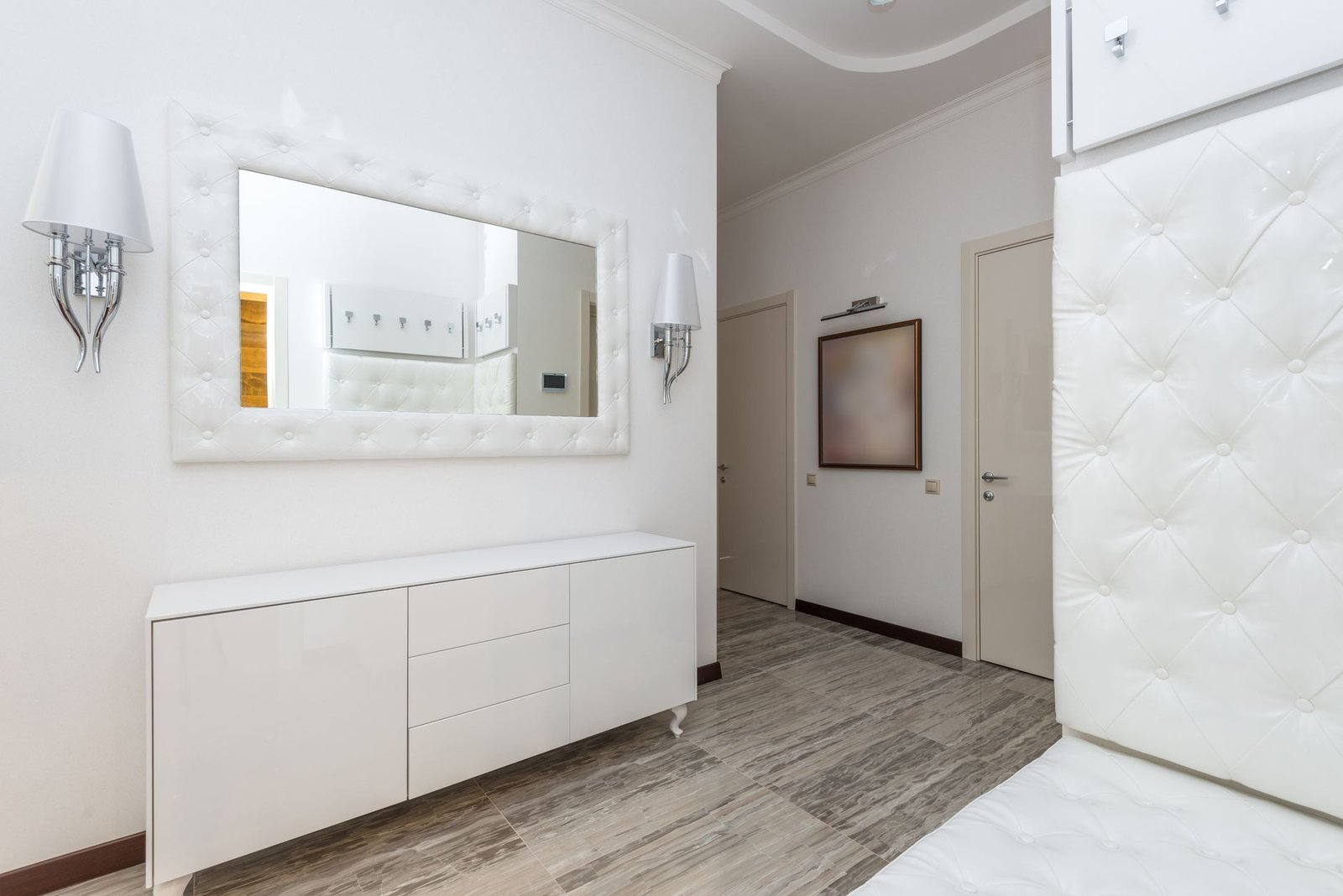
A dark, narrow hallway can often feel unwelcoming, cramped, and disconnected from the rest of a home’s vibrant living spaces. Fortunately, transforming these challenging areas into bright, inviting passages is entirely achievable. The solution lies in a strategic blend of advanced lighting, thoughtful color palettes, reflective surfaces, and streamlined decor. This guide outlines five effective strategies to brighten a narrow space, incorporating cutting-edge industry trends and material developments anticipated for 2026, ensuring optimal brightness and perceived spaciousness.
Maximizing Illumination with Advanced Lighting Systems
Strategic Placement and Layering
Effective hallway illumination begins with a layered lighting approach, encompassing ambient, task, and accent lighting. In 2026, the emphasis is on smart, adaptive lighting systems that can adjust brightness and color temperature based on natural light conditions and the resident’s preferences. Recessed LED downlights provide consistent ambient illumination, while wall-mounted sconces add a decorative element and offer a softer, more inviting glow. Linear LED strips, discreetly installed along ceiling coves or baseboards, contribute to a modern aesthetic while washing walls with indirect light, making the space feel taller and wider.
Innovative Light Sources and Fixtures
- Fiber Optic Lighting: This innovative technology offers tiny, discrete points of light, perfect for creating a subtle starry effect on ceilings or highlighting specific architectural details without generating glare, a common issue in narrow corridors.
- Virtual Windows and Skylights: For windowless hallways, advanced LED panels mimicking realistic daylight are a game-changer in 2026. These ‘virtual’ fixtures utilize adaptive color temperature technology to simulate the natural progression of sunlight throughout the day, significantly enhancing the sense of openness and contributing to circadian rhythm alignment.
- Integrated Lighting in Joinery: Custom millwork and shelving increasingly feature integrated LED strips. This trend combines functionality with aesthetics, providing gentle illumination within storage solutions that doubles as accent lighting.
The Power of Reflective Surfaces and Strategic Placement
Mirrors: Beyond Functionality
Mirrors are perhaps the most powerful tool for augmenting light and creating an illusion of space. Large, unframed mirrors or an artfully arranged gallery of smaller, antique-finished mirrors can dramatically alter a hallway’s perception. Strategic placement opposite a natural light source or a significant artificial fixture is crucial to amplify light distribution. In 2026, smart mirrors, integrating discreet digital displays for information or art, are gaining popularity, adding a modern, interactive dimension. A full-length mirror positioned at the end of a long hallway can create an astonishing illusion of extended depth.
Glossy Finishes and Metallic Accents
Incorporating glossy finishes on walls, trim, or ceilings can significantly enhance light reflection. High-gloss paints catch and bounce light, contributing to a brighter environment. Similarly, polished metallic elements – whether in light fixtures, door hardware, or slim console tables – introduce reflective points that disperse light throughout the corridor. Materials like brushed gold, polished chrome, or even subtly reflective lacquered surfaces are favored for their ability to contribute to the overall luminosity of the space without overwhelming it.
Color Palettes and Material Innovations for Brightness
Light-Enhancing Color Schemes
The choice of color is fundamental in brightening a dark hallway. Predominantly light, cool tones such as crisp whites, creamy off-whites, pale grays, and soft pastels (e.g., whisper-light blues or mint greens) are highly effective. These hues reflect light rather than absorbing it, making the space feel expansive. The 2026 trend of ‘Warm Minimalism’ combines bright, airy neutrals with subtle, natural textures and soft, earthy undertones, offering comfort alongside luminosity. Monochromatic schemes with subtle variations in texture can create visual interest without clutter, maintaining a cohesive and bright aesthetic.
Advanced Wall Coverings and Flooring
Material science in 2026 offers specialized solutions. Light-reflecting paints, embedded with micro-particulate technology, are engineered to scatter light more effectively, potentially increasing perceived brightness by up to 20% compared to standard paints. Textured wallpapers with delicate metallic threads or pearlescent finishes can also contribute to luminosity without being overtly shiny. For flooring, light-colored options such as polished concrete, wide-plank light wood laminates, or large-format porcelain tiles in pale shades are recommended. These choices avoid absorbing light and contribute to a continuous, expansive feel. Dark or busy patterns should generally be avoided to prevent shrinking the perceived space.
Decluttering and Optimizing Flow
Streamlined Furniture and Storage Solutions
A cluttered hallway immediately feels smaller and darker. Implementing streamlined furniture is vital. Slim console tables, floating shelves, and built-in storage units that blend seamlessly with the wall color are excellent choices for maintaining an open feel. Modular, multi-functional furniture designed specifically for narrow spaces is a prominent trend in 2026, offering clever storage without impeding flow. Avoiding bulky items that cast heavy shadows or obstruct movement is paramount.
Minimalist Decor and Art
When it comes to decor, less is often more in a narrow hallway. A few carefully selected pieces of art, ideally with a light background or subject matter, can add personality. Vertical art pieces can draw the eye upward, enhancing the perception of height. Transparent or open-frame decor, such as acrylic side tables or minimalist sculptures, allow light to pass through, maintaining an airy feel. Overly busy gallery walls, while appealing in larger spaces, can make a narrow corridor feel chaotic and confined.
Harnessing Natural Light and Expanding Views
Architectural Interventions (if possible)
For homeowners considering more significant renovations, architectural modifications can profoundly impact natural light. Introducing internal windows, such as transoms above doorways or glass panels between the hallway and an adjacent room, allows borrowed light to penetrate. Solar tubes or sun tunnels represent a practical, less invasive solution for channeling natural daylight into interior spaces where full skylights are not feasible, delivering diffused, glare-free light from the roof.
Strategic Use of Doors and Openings
The type of doors used in and around a hallway plays a critical role. Replacing solid doors with glass-paned options, like French doors or sliding glass doors, at either end of the hallway can significantly enhance light penetration from adjacent rooms. Furthermore, simply keeping doors to brightly lit rooms open during the day visually extends the hallway, creating a more cohesive and spacious interior flow.
Transforming a dark, narrow hallway involves a holistic approach, combining intelligent design choices with modern innovations. By thoughtfully implementing advanced lighting, selecting reflective and light-enhancing surfaces, utilizing strategic color palettes, maintaining a minimalist aesthetic, and embracing opportunities for natural light, residents can create an inviting, spacious, and bright passageway. These considered improvements not only elevate the aesthetic appeal but also significantly enhance the overall domestic comfort and perceived spaciousness of the entire home experience.