
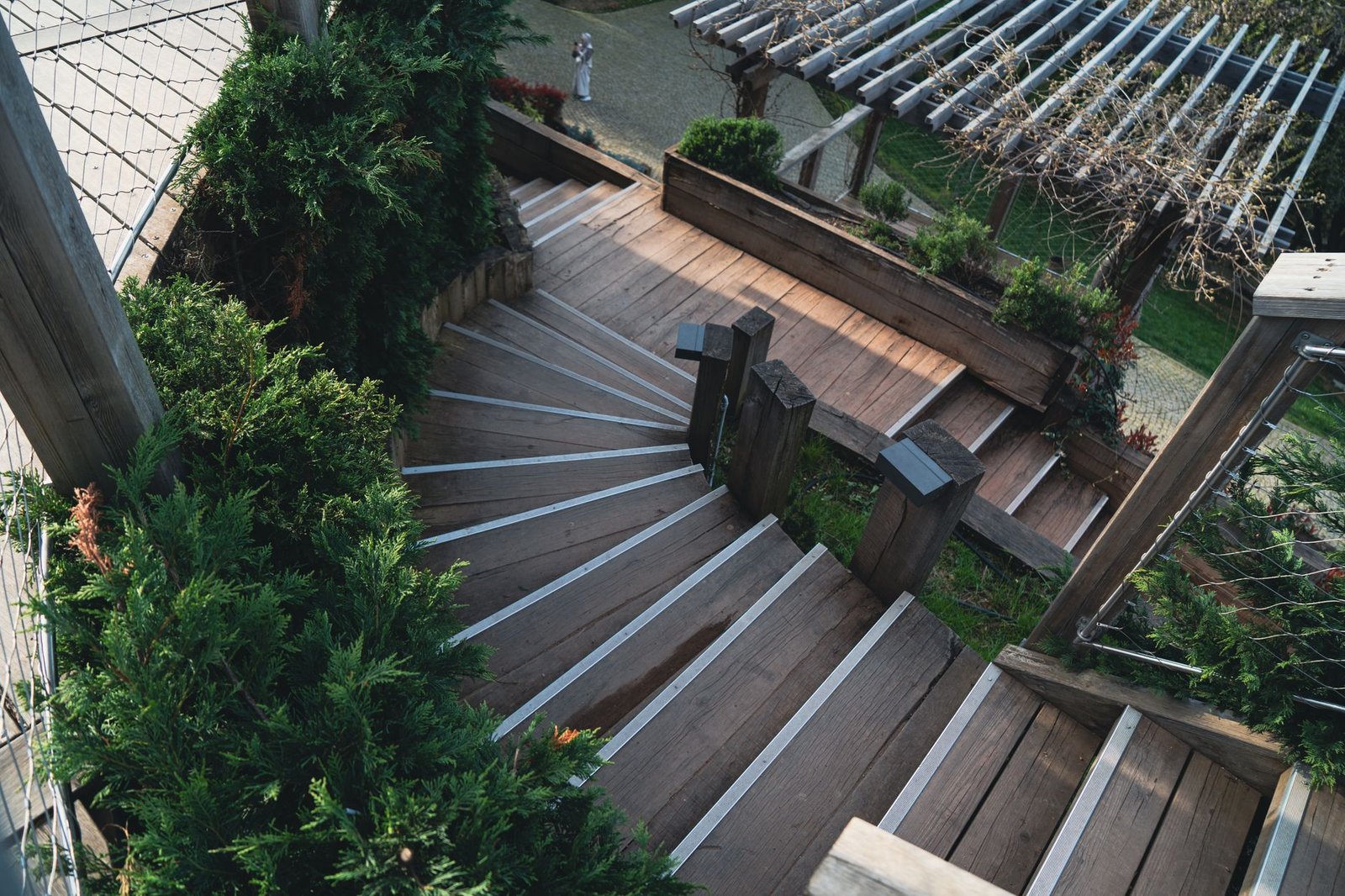
For homeowners planning outdoor enhancements in 2026, selecting the optimal low-maintenance decking material is a pivotal decision that balances aesthetics, longevity, and long-term cost. The ‘best’ material hinges on specific priorities, but composite and PVC decking continue to dominate the market as leading contenders for minimal upkeep. These advanced materials have evolved significantly by 2026, offering superior durability and a broader range of sophisticated appearances compared to traditional options.
Understanding Low-Maintenance Decking in 2026
The definition of ‘low-maintenance’ in decking has expanded to encompass materials that resist rot, insect infestation, splintering, and significant fading, requiring little more than occasional cleaning with soap and water. Traditional wood decking, while aesthetically appealing to some, demands regular staining, sealing, and repair, which can be time-consuming and costly over its lifespan. Modern decking solutions address these challenges head-on.
Current Industry Trends and Material Developments
By 2026, the decking industry has seen a push towards hyper-realistic aesthetics, enhanced sustainability, and integrated design features. Advancements in material science have led to composite boards with deeper, multi-tonal grain patterns that are nearly indistinguishable from natural wood. PVC decking has introduced improved heat dissipation technologies, making surfaces cooler underfoot even in direct sun. Furthermore, integrated fastening systems and options for embedded lighting channels are becoming standard, streamlining installation and enhancing functionality.
Top Contenders for 2026: A Comparative Analysis
Composite Decking
Composite decking, a blend of recycled wood fibers and plastic, remains a strong favorite for its balance of performance and appearance. By 2026, capped composite boards represent the industry standard, featuring a durable polymer shell that encapsulates all four sides of the board, offering superior protection.
- Durability: Highly resistant to fading, staining, scratching, mold, mildew, and insect damage. The advanced capping technology of 2026 significantly extends the material’s lifespan and maintains its aesthetic integrity under harsh conditions.
- Appearance: A vast array of colors, textures, and finishes that meticulously mimic various wood species. Modern multi-tonal boards offer sophisticated depth and variation. Many brands now offer boards with unique, non-repeating grain patterns for an even more authentic look.
- Installation Costs: Generally falls into the mid-to-high range. While the material cost is higher than pressure-treated lumber, it is often comparable to premium hardwoods. Installation can be quicker due to consistent board dimensions and proprietary fastening systems, potentially offsetting labor costs.
- Maintenance: Extremely low. Requires only periodic cleaning with a hose and mild soap to remove dirt and debris. No staining, sealing, or painting is necessary.
- 2026 Trends: Focus on enhanced eco-friendly formulations using higher percentages of recycled content, alongside innovative surface technologies that improve slip resistance and further reduce heat absorption.
PVC Decking
Composed entirely of cellular polyvinyl chloride, PVC decking offers unparalleled resistance to moisture and insects, making it an ideal choice for challenging climates or areas prone to dampness. Its inherent properties provide a distinct advantage in terms of pure imperviousness.
- Durability: Exceptionally durable and impervious to rot, mold, mildew, and insect damage. PVC boards are also highly resistant to scratches and dents, and their cellular structure makes them remarkably lightweight yet strong. They do not absorb moisture, eliminating swelling, shrinking, or warping.
- Appearance: Historically known for a more uniform, often lighter aesthetic, 2026 PVC decking has made significant strides. New manufacturing processes allow for richer, more stable color palettes and enhanced embossing techniques that produce more realistic wood grain textures. Heat dissipation technology is a key development, making darker colors more comfortable underfoot.
- Installation Costs: Typically higher than composite decking materials. However, its lightweight nature can sometimes lead to slightly reduced labor costs during installation, especially for elevated or complex deck designs.
- Maintenance: Virtually zero. Requires only occasional cleaning. It is highly stain-resistant and does not require any protective treatments throughout its lifespan.
- 2026 Trends: Innovations in cooling technologies for darker colors, advanced UV protection for superior fade resistance, and the introduction of wider board profiles that create a more expansive look.
Aluminum Decking
While a less common choice, aluminum decking provides an extremely durable and low-maintenance option for those seeking a modern aesthetic and exceptional longevity.
- Durability: Superior strength, fire resistance, and complete immunity to rot, insects, and corrosion. Aluminum decks are virtually indestructible and can last for decades with minimal degradation.
- Appearance: Offers a sleek, contemporary look that differs significantly from natural wood. Available in various powder-coated finishes and colors. Interlocking designs create a watertight surface below the deck, a unique advantage.
- Installation Costs: Generally the highest upfront cost among low-maintenance materials due to specialized manufacturing and installation.
- Maintenance: Extremely low, limited to occasional cleaning. It does not rust, splinter, or require painting.
- 2026 Trends: Development of more sophisticated anti-slip coatings and a broader range of muted, architectural color options to integrate seamlessly with modern home designs.
Evaluating Key Factors for the Homeowner’s Choice
When selecting the best low-maintenance decking material, the resident should consider several critical factors beyond basic material properties:
- Long-Term Value vs. Upfront Cost: While composite, PVC, and aluminum materials have higher initial costs than traditional wood, their minimal maintenance requirements translate into significant savings over the deck’s lifespan. The lack of annual staining, sealing, or frequent repairs offers a compelling return on investment.
- Aesthetic Preferences and Architectural Style: The chosen material should complement the home’s existing architecture and the resident’s desired outdoor aesthetic. Composite decking excels in mimicking natural wood, while PVC offers consistent finishes and excellent durability, and aluminum provides a modern, industrial appeal.
- Climate Considerations: For regions with extreme weather, high humidity, or intense sun exposure, materials like PVC or high-performance capped composites offer superior resilience. Aluminum is excellent in fire-prone areas.
- Environmental Impact: Many composite options incorporate recycled plastics and wood fibers, appealing to homeowners prioritizing sustainable building materials. PVC also offers recyclability at the end of its long service life.
- Deck Design Integration: Consider how the decking material will integrate with other outdoor elements, such as railings, pergolas, and outdoor lighting. Manufacturers often offer coordinating accessories for a cohesive look.
Ultimately, the determination of the ‘best’ low-maintenance decking material for 2026 is highly individualized. While composite and PVC decking lead the market for their blend of aesthetics, durability, and minimal upkeep, aluminum offers a robust, modern alternative. Homeowners are advised to weigh installation costs against long-term maintenance savings, considering specific climate conditions, aesthetic preferences, and environmental priorities to make an informed decision that enhances their outdoor living experience for years to come.