
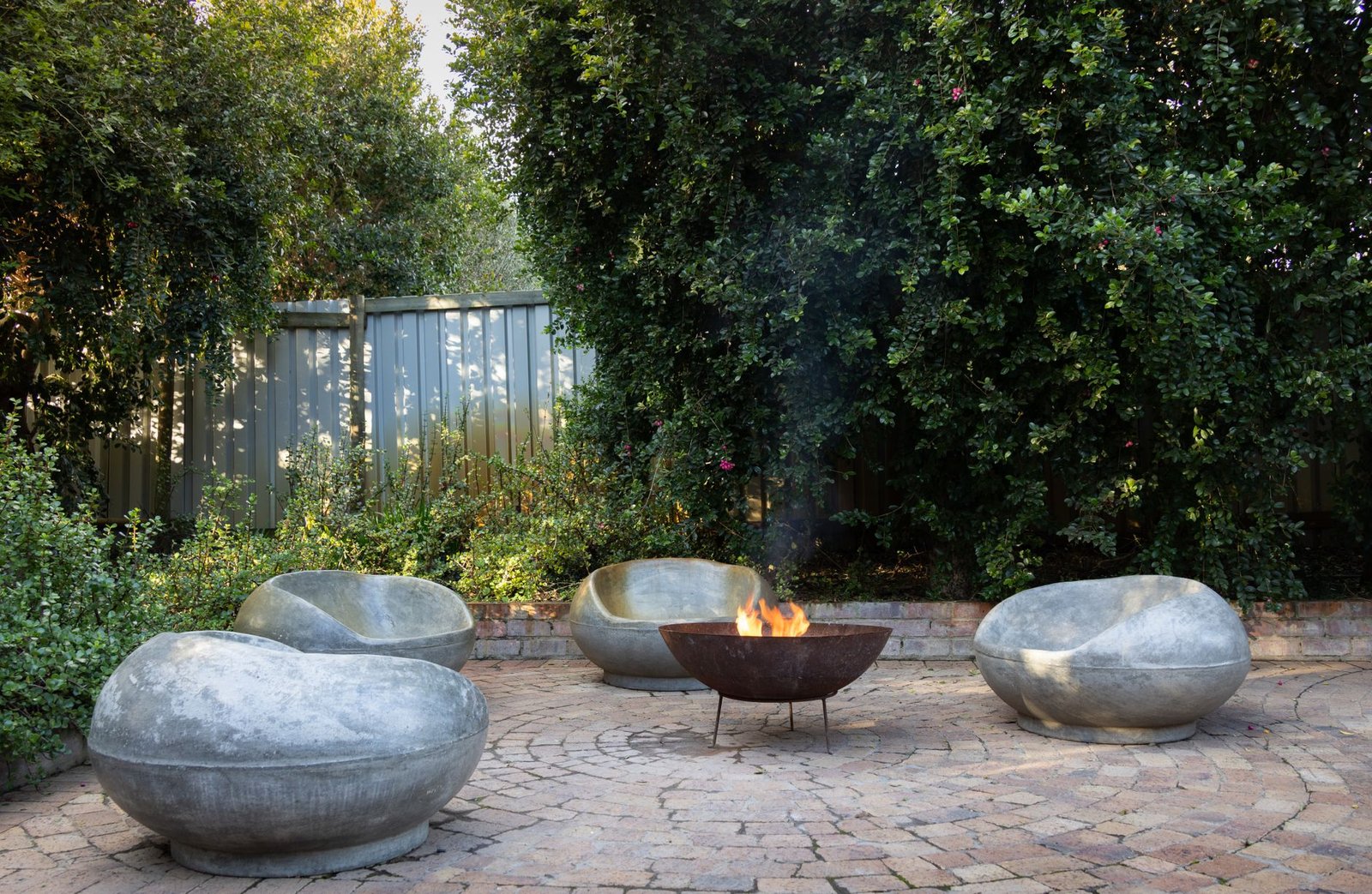
As outdoor living spaces continue to evolve into sophisticated extensions of the home, the fire pit remains a quintessential element, offering warmth, ambiance, and a natural gathering point. For 2026, designers and homeowners are seeking solutions that blend cutting-edge aesthetics with unparalleled functionality, integrating seamlessly into modern landscape architecture. This exploration reveals five innovative fire pit designs, encompassing gas, propane, and wood-burning options, that are poised to redefine contemporary backyards, enhancing both visual appeal and practical use for the discerning resident.
The Evolving Role of Fire Pits in 2026 Outdoor Design
In the current landscape of home design, fire pits transcend their traditional role as mere heat sources, emerging as sculptural centerpieces, dynamic social hubs, and vital components of integrated outdoor living environments. The demand for sophisticated, adaptable, and technologically advanced outdoor features is driving significant innovation in this category, aligning with a broader trend towards highly personalized and intelligent domestic spaces.
Key Trends Driving Innovation
- Smart Home Integration: Advanced fire pit systems in 2026 feature seamless integration with existing smart home ecosystems. Automated ignition, flame height control, and scheduled operation via mobile applications or voice commands offer convenience and enhanced safety.
- Sustainability Focus: A growing emphasis on environmental responsibility influences material selection and fuel efficiency. Manufacturers are developing cleaner-burning options and utilizing recycled or sustainably sourced components, minimizing the ecological footprint.
- Biophilic Design Principles: The integration of natural elements and organic forms is paramount. Fire pits are designed to harmonize with surrounding flora and fauna, fostering a deeper connection to nature and creating calming, restorative outdoor sanctuaries.
- Multi-functional Furniture: Space optimization drives the creation of fire pits that serve multiple purposes, such as integrated coffee tables, dining surfaces, or modular seating elements, maximizing utility without sacrificing design integrity.
Material Innovations for Durability and Style
The materials sector continues to push boundaries, offering designers an expanded palette for creating durable and aesthetically pleasing fire pits. For 2026, several key material developments stand out:
- Advanced Composites: Glass-Fiber Reinforced Concrete (GFRC) and carbon fiber blends offer exceptional strength-to-weight ratios, allowing for intricate, lightweight designs previously unattainable. These materials are highly resistant to weathering and cracking.
- Ultra-High Performance Concrete (UHPC): Delivering a refined, almost polished finish, UHPC enables exceptionally thin profiles and crisp edges, ideal for minimalist and architectural statements. Its dense structure provides superior durability.
- Weathering Steels (Corten Steel): While not new, Corten steel is being re-imagined with enhanced sealing technologies and coatings that mitigate runoff, broadening its application for a sophisticated, rustic aesthetic in diverse settings.
- Ceramic and Porcelain Finishes: These materials provide a vast array of colors, textures, and patterns, offering exquisite detail and extreme weather resistance for elegant, bespoke fire pit surfaces.
5 Innovative Fire Pit Designs for Modern Backyards
The following designs exemplify the pinnacle of fire pit innovation, showcasing how form meets function in 2026 outdoor spaces.
1. The Sculptural Floating Hearth
This design emphasizes minimalism and elevated presence. The fire bowl or trough appears to hover above its base, creating a visually light and architectural statement. Often rectangular or circular with clean lines, the floating hearth becomes a captivating focal point without dominating the space. Materials typically include polished UHPC, sleek powder-coated aluminum, or engineered stone, often complemented by tempered glass wind guards for a contemporary edge. Primarily fueled by gas or propane, these units offer instantaneous ignition and precise flame control, aligning with a desire for effortless luxury and a pristine aesthetic in modern minimalist landscapes.
2. The Integrated Linear Fire Table
Seamlessly merging illumination and utility, the integrated linear fire table is designed to become one with its surroundings. This innovation often features a long, narrow burner embedded directly into expansive built-in seating arrangements, outdoor dining tables, or extended kitchen islands. GFRC, natural stone veneers (such as quartz or polished granite), and durable, weather-treated hardwoods are common materials, chosen for their resilience and ability to blend with existing hardscaping. Propane or natural gas fuel provides a continuous, elegant line of flame, encouraging intimate conversations and extending al fresco dining experiences well into the evening, maximizing the functionality of outdoor zones.
3. The Biophilic Water-Fire Feature
Responding to the growing appeal of biophilic design, this fire pit ingeniously combines the primal allure of fire with the serene presence of water. Designs range from subtle cascading water features surrounding a central flame to more elaborate installations where water visually interacts with the fiery element. Corten steel, with its earthy patina, is frequently employed for contrast, alongside polished stainless steel and natural river stones, for a harmonious blend of elements. While gas and propane options are prevalent for safety and ease of maintenance, advanced wood-burning designs are emerging that carefully manage the integration. This design creates a multi-sensory experience, promoting relaxation and a strong connection to nature within the urban or suburban environment.
4. The Smart Modular Hexagonal Array
Representing the peak of customizable outdoor features, the smart modular hexagonal array consists of interconnected or freestanding hexagonal units that can be arranged in various configurations. This allows the homeowner to scale the fire feature according to event size, space constraints, or aesthetic preference, creating dynamic patterns like honeycombs or scattered ‘flame islands.’ Lightweight GFRC, weather-resistant composites, and integrated smart LED lighting are core components, offering adaptability and technological flair. These units are predominantly gas or propane-fueled, often featuring quick-connect systems for facile rearrangement and app-based controls for individual flame regulation, catering to versatile outdoor layouts and smart home automation trends.
5. The Eco-Conscious Vertical Flame Column
Addressing the need for impactful fire features in smaller footprints and with heightened sustainability, the eco-conscious vertical flame column presents a striking, slender, and often tall structure that directs flames upwards. This design maximizes vertical appeal while minimizing ground-level intrusion. Recycled stainless steel, reclaimed wood accents, and advanced ceramic insulation are commonly utilized materials, alongside innovations in combustion technology. Fuel options prioritize environmental responsibility, including clean-burning bioethanol, efficient gas/propane systems, and specially engineered wood-pellet burners that significantly reduce emissions. The vertical flame column serves as a sculptural beacon, providing warmth and an artistic statement in compact urban backyards or as a series flanking a modern entrance.
Maximizing Outdoor Comfort and Aesthetic Appeal
Beyond the selection of an innovative fire pit, strategic planning is essential to fully realize its potential within the outdoor living space.
Strategic Placement and Zoning
The positioning of the fire pit is critical for defining outdoor zones, whether for intimate conversations, lively entertainment, or quiet contemplation. Considerations include proximity to comfortable seating, unobstructed views, and adherence to safety clearances. A well-placed fire pit anchors a space, drawing residents and guests naturally towards its warmth and glow.
Integrating Smart Features for Seamless Control
Modern fire pits offer more than just a flame; they integrate seamlessly with smart home technology. Homeowners can manage ignition, adjust flame height, and synchronize ambient lighting or sound systems directly from a smartphone or voice command device. This level of control enhances convenience, safety, and the overall user experience, making the outdoor environment truly intelligent.
Complementary Landscape Elements
To fully enhance the fire pit’s impact, surrounding landscape elements should be thoughtfully chosen. Integrated seating, durable outdoor textiles, low-voltage ambient lighting, and strategically placed privacy screens contribute to a cohesive and inviting atmosphere. Material harmony with existing hardscaping, such as pavers or decking, ensures the fire pit feels like an organic extension of the entire property.
The innovative fire pit designs of 2026 offer unprecedented opportunities for homeowners to elevate their outdoor living experiences. By carefully considering trending aesthetics, advanced materials, and smart functionalities, the resident can select a fire feature that not only provides warmth and ambiance but also serves as a sophisticated focal point, reflecting a commitment to modern design and comfort in their personal outdoor sanctuary.