
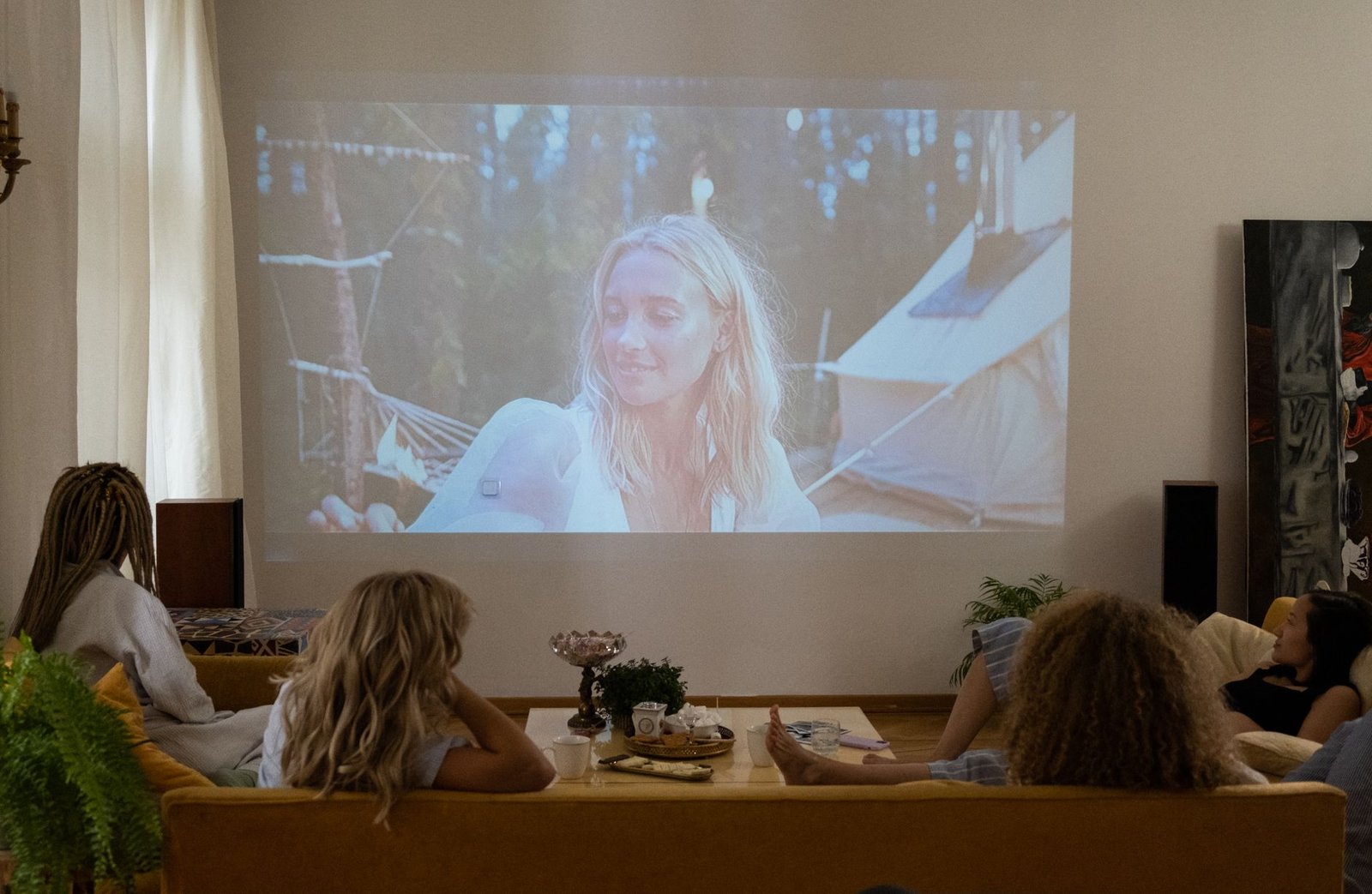
Portable Projector vs. Outdoor TV: Which is Better for Backyard Movies in 2026?
For creating backyard movie magic in 2026, the optimal choice between a portable projector and an outdoor television directly hinges on specific priorities related to flexibility, image quality in varying light conditions, budget, and long-term durability. While projectors offer unmatched screen size potential and portability for occasional, grand-scale viewing, outdoor TVs deliver superior brightness, robust weather resistance, and integrated convenience for dedicated, always-ready entertainment spaces.
Portable Projectors: The Flexible Cinema Solution
Advantages for the Modern Homeowner
- Unparalleled Portability and Setup Versatility: Modern portable projectors, especially ultra-short throw (UST) models equipped with laser light sources, offer instant on/off capabilities and significantly extended lamp life, often exceeding 20,000 hours. Their compact form factor allows easy deployment in various outdoor settings or even indoors. The user can move the device from a patio to a poolside deck effortlessly, facilitating spontaneous entertainment. Many 2026 models feature advanced auto-keystone correction and auto-focus, simplifying setup to mere seconds.
- Expansive and Adjustable Screen Sizes: A key draw of projection systems is the ability to achieve cinematic screen sizes, often exceeding 100 inches diagonally, at a fraction of the cost of a comparably sized outdoor television. This scale creates an immersive experience unmatched by most fixed-panel displays. Advances in outdoor-specific ambient light rejecting (ALR) screens or high-gain materials in 2026 significantly enhance image quality even in challenging light conditions, making afternoon viewing more viable than in previous years.
- Cost-Effectiveness for Large Images: Generally, the initial investment for a high-quality 4K portable projector coupled with a suitable outdoor screen remains considerably lower than that for a comparably sized, dedicated outdoor television. This makes projection an attractive option for the budget-conscious resident seeking a grand visual experience without the premium price tag of a weatherproof display.
- Multipurpose Utility: Beyond backyard movies, a portable projector can serve various functions, from displaying gaming sessions on a large scale to presenting outdoor art installations or even augmenting indoor home cinema setups during inclement weather. Its inherent flexibility adds significant value.
Considerations and Limitations
- Vulnerability to Ambient Light: Despite advancements in brightness (lumens) and ALR screen technology, projectors inherently struggle more in direct sunlight or brightly lit twilight conditions compared to dedicated outdoor TVs. For optimal viewing, dusk or night remains the preferred time for projection, a factor the homeowner must consider for daytime events.
- Perceived Image Quality Nuances: While 4K resolution is standard, the projected image’s sharpness, contrast, and color saturation can be influenced by the screen material, ambient light, and viewing distance. A truly vibrant, punchy image often requires a darker environment, which might not always be achievable outdoors. The need for a separate, high-quality projection surface adds complexity.
- Durability and Weather Exposure: Most portable projectors are not designed for continuous outdoor exposure. They lack the robust weather sealing and temperature regulation of outdoor TVs, making them susceptible to dust, humidity, rain, and extreme temperatures. This necessitates careful setup, takedown, and indoor storage after each use, adding to the effort involved.
- External Audio Requirements: While some portable projectors include basic speakers, a truly immersive outdoor movie experience almost invariably demands external audio solutions, such as Bluetooth soundbars or a dedicated outdoor speaker system, adding to the overall cost and setup time.
Outdoor Televisions: The Permanent Entertainment Hub
Unwavering Performance and Resilience
- Unmatched Durability and Weatherproofing: Dedicated outdoor televisions are engineered specifically for continuous exposure to the elements. By 2026, most premium models boast IP65 or IP66 ratings, signifying robust protection against dust ingress and powerful water jets. Enhanced anti-glare coatings, reinforced chassis, and advanced thermal management systems allow these units to operate reliably in temperatures ranging from freezing cold to intense heat, providing peace of mind for the resident.
- Superior Brightness and Daylight Viewing: This is where outdoor TVs truly shine. With peak brightness levels often exceeding 2000-4000+ nits, combined with cutting-edge MicroLED or QD-OLED panel technologies and sophisticated anti-reflective screens, these displays deliver exceptionally vibrant and clear images even in broad daylight. Colors remain accurate and contrast is sharp, making them ideal for sports, news, or movie viewing at any time of day.
- Integrated Convenience and Aesthetics: Once installed, an outdoor TV is always ready for use, eliminating setup and teardown. Many models feature robust, weather-resistant integrated speaker systems, removing the need for separate audio equipment. Their sleek designs, often with slim bezels and concealed wiring options, integrate seamlessly into sophisticated outdoor living spaces, enhancing overall aesthetics.
Inherent Trade-offs
- Significant Initial Investment: The primary deterrent for outdoor televisions remains their substantially higher cost compared to indoor counterparts or projectors. The specialized engineering required for durability and brightness commands a premium, particularly for larger screen sizes. Professional installation costs also need to be factored into the overall budget.
- Fixed Placement and Screen Size: An outdoor TV is a permanent fixture. Its size and location are decided at the point of installation, offering no flexibility for repositioning or adjusting screen dimensions. While large outdoor TVs exist, achieving the truly cinematic scale of a projected image becomes prohibitively expensive.
- Installation Complexity: Optimal installation often requires dedicated power, potentially coaxial cable, and network connections, all needing to be weatherproofed and securely mounted. This typically necessitates professional assistance, adding to the overall project scope and expense.
Key Comparison Factors in 2026
Cost Analysis and Value Proposition
For a robust backyard movie setup, a 4K portable projector with a good outdoor screen might range from $1,000 to $3,500. This includes a capable projector (e.g., ~$800-$2500 for a bright 4K laser model) and an advanced ALR screen (e.g., ~$200-$1000). Dedicated outdoor televisions, however, start around $3,000 for a 55-inch unit and can quickly ascend to $8,000-$20,000+ for 75-inch or larger premium MicroLED models. The value proposition for each is distinct: projectors offer large-scale visuals at a lower entry point, while outdoor TVs provide unparalleled durability and daylight performance for a higher premium.
Portability Versus Permanence
The distinction here is stark. Projectors are inherently portable, allowing the user to create temporary entertainment zones wherever desired – patio, lawn, or even for camping trips. Outdoor TVs are permanent installations, designed to withstand continuous exposure. The choice depends on whether the resident desires a flexible, ad-hoc setup or a fixed, always-ready entertainment hub.
Image Quality and Viewing Environment
In 2026, daytime viewing favors outdoor TVs unequivocally due to their immense brightness and anti-glare technologies. Their ability to deliver vivid, high-contrast images under ambient light conditions makes them superior for daytime sports or family programming. For a truly dark, cinematic night viewing experience, projectors, especially with advanced ALR screens, can create a more immersive, theater-like scale. However, projector performance remains more sensitive to stray light.
Durability and Maintenance
Outdoor televisions require minimal maintenance beyond occasional cleaning, being built for sustained outdoor life. Their components are sealed and protected. Portable projectors, conversely, demand careful handling, protection from weather during use, and secure indoor storage when not in operation. This difference in intrinsic durability impacts the long-term effort required from the homeowner.
Making the Decision: A 2026 Perspective
The optimal choice between a portable projector and an outdoor television in 2026 boils down to the homeowner’s specific lifestyle, budget, and desired outdoor entertainment experience.
- Choose a Portable Projector if: The resident prioritizes maximum flexibility, desires a truly cinematic large-screen experience for occasional evening use, has budget constraints, or prefers a solution that can be easily stored or used in multiple locations. The commitment to a permanent fixture is low.
- Opt for an Outdoor Television if: The homeowner seeks a premium, always-ready entertainment solution that can be enjoyed at any time of day, values superior image quality and durability against the elements above all else, and is prepared for a significant long-term investment. This choice signifies a dedicated, permanent outdoor living space enhancement.
Considering 2026 trends, both categories benefit from advancements in smart home integration, with seamless connectivity to streaming services, voice assistants, and broader home automation systems. The decision largely rests on the desired balance between convenience, weather resilience, and cinematic scale.
Ultimately, the