
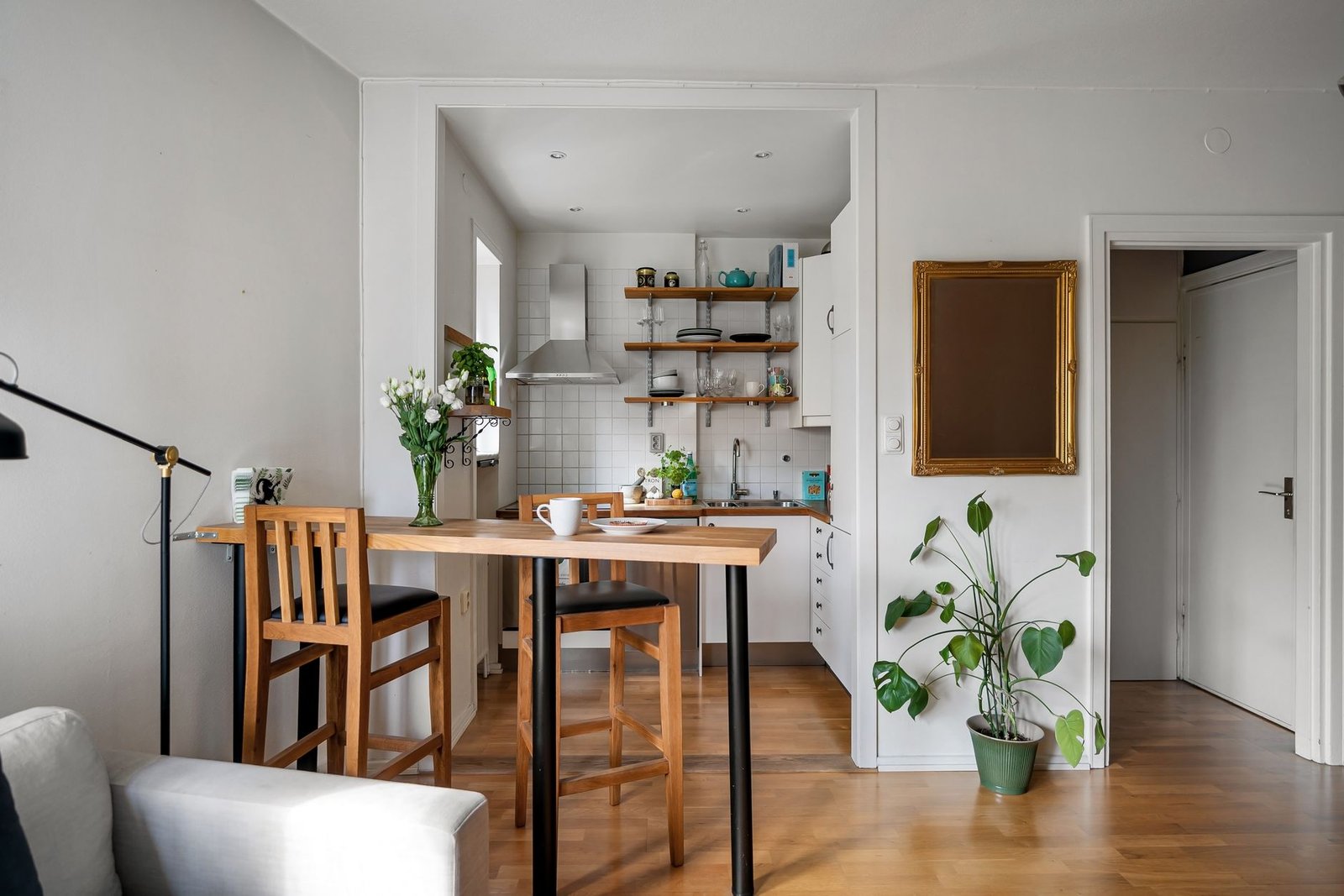
For homeowners aiming to visually expand small living rooms in 2026, the optimal accent wall color often leverages sophisticated light-reflecting neutrals or strategically applied deep, muted tones. These choices, when combined with modern paint technologies and careful application, create an illusion of depth and openness, making compact spaces feel more expansive. The selection hinges on understanding current trends, material innovations, and the specific dynamics of the room’s natural light and existing decor.
2026 Trends Influencing Small Space Aesthetics
The year 2026 sees a continued evolution in interior design, with a strong emphasis on functionality, well-being, and sustainable practices, even in the most compact living environments. For small living rooms, the focus shifts towards colors and materials that contribute to an airy, inviting, and visually enlarged space, rather than simply decorating it. This involves a thoughtful integration of nature-inspired palettes and advanced finishes.
The Rise of Biophilic Tones
Biophilia remains a dominant theme, with colors drawn from nature playing a crucial role in creating serene and restorative interiors. For accent walls in small living rooms, this translates into muted greens, soft blues, and earthy neutrals. Shades like sage green, dusty blue, and warm sandstone are particularly effective. These colors connect the indoor space with the natural world, fostering a sense of calm and openness. Their inherent subtlety allows them to serve as a focal point without overwhelming a small area, especially when paired with natural wood finishes or textural elements.
Material Innovation and Reflectivity
Advancements in paint technology for 2026 offer new opportunities for maximizing space. Modern paints incorporate micro-ceramic beads and other light-reflecting particles, designed to enhance luminosity and create a subtle depth effect. These innovative formulations mean that even a slightly darker accent color can feel less oppressive, as it actively works to bounce ambient light. Environmentally conscious homeowners will also note the prevalence of ultra-low VOC and air-purifying paints, which contribute to healthier indoor air quality alongside aesthetic benefits. Finishes leaning towards satin or eggshell are preferred over matte for accent walls, as their gentle sheen further aids in light diffusion without appearing overtly glossy or stark.
Strategic Color Selection for Visual Expansion
Choosing the right accent wall color for a small living room is not just about aesthetics; it is about manipulating perception. The goal is to make walls appear to recede or to create a focal point that draws the eye, thereby distracting from the room’s physical constraints.
Light and Reflective Hues
It is widely understood that lighter colors tend to make spaces feel larger by reflecting more light. For 2026, however, this concept is refined. Instead of stark whites, homeowners are gravitating towards nuanced, warm-toned off-whites, very pale grays, and soft pastels with a hint of warmth. Examples include:
- Pale Blush: A subtle, warm hue that adds softness and reflects light beautifully, avoiding the coldness sometimes associated with pure white.
- Light Greige: A versatile blend of gray and beige that offers sophistication and warmth, adaptable to various decor styles.
- Sky Blue or Seafoam Green: These cool, light tones inherently recede, creating a perception of greater depth and openness, particularly effective on a wall opposite a window.
These colors work by subtly expanding the visual boundary of the room, providing a gentle backdrop that does not impose itself on the space.
Deep and Saturated Accents: A Bold Strategy
While counter-intuitive, a deep, saturated color can be highly effective on an accent wall in a small living room when applied strategically. This method relies on creating a strong focal point that draws the eye and generates an illusion of depth. For 2026, muted jewel tones like deep teal, forest green, or even a charcoal gray with blue undertones are excellent choices. The key to success with darker hues involves:
- Placement: Typically, the longest wall or the wall at the farthest end of the room is chosen to draw the eye deeply into the space.
- Lighting: Ensure the accent wall receives ample natural light or is well-illuminated by artificial lighting to prevent it from absorbing too much light and making the room feel enclosed.
- Contrast: Keep adjacent walls and ceiling in a much lighter, complementary color to provide a visual break and enhance the perceived depth of the accent wall.
This technique creates a dramatic statement that paradoxically makes the room feel grander by adding a sense of dimension.
Nuanced Neutrals with Undertones
Neutrals remain a timeless choice, but for 2026, the emphasis is on neutrals with subtle, complex undertones that add character without overwhelming. Instead of plain beige or gray, consider:
- Warm Clay Tones: These earthy neutrals bring warmth and a grounded feel, often with red or orange undertones that can subtly expand a space.
- Cool Gray with Green or Blue Undertones: These provide a sophisticated backdrop that inherently recedes, offering a calming influence.
- Mushroom Taupe: A rich, organic neutral that adds depth and sophistication, working well with both warm and cool palettes.
The complexity of these undertones provides visual interest, ensuring the accent wall is dynamic rather than flat, contributing to a more expansive feel.
Application Techniques for Maximizing Impact
Beyond color selection, the manner in which the accent wall is treated is paramount to achieving the desired effect of visual expansion.
The Single Wall Approach
For small living rooms, selecting a single accent wall is almost always the most effective strategy. This creates a distinct focal point without sectioning off the room into smaller visual blocks. The wall chosen should ideally be:
- The wall visible immediately upon entering the room.
- The longest wall in the room.
- The wall featuring a prominent architectural element, such as a fireplace or built-in shelving.
- The wall opposite the main source of natural light, allowing the color to be fully appreciated and to reflect light back into the room.
Painting more than one wall in an accent color in a small space can visually shrink the room, making it feel disjointed and enclosed.
Texture and Finish Considerations
In 2026, textured finishes and wallpapers are seeing a resurgence, particularly those that add subtle depth without visual clutter. For an accent wall, consider options such as:
- Slightly textured paint: Specialized paints that create a subtle tactile surface, adding dimension without overwhelming the small space.
- Grasscloth or linen-look wallpaper: These natural textures add warmth and sophistication, and their woven patterns can subtly draw the eye, enhancing perceived length or height.
- Satin or Eggshell Finish: As mentioned, these finishes offer a slight sheen that reflects light more effectively than a matte finish, contributing to a brighter, more open feel.
Avoiding overtly busy patterns is crucial; the aim is gentle texture that enhances rather than competes with the room’s proportions.
Cohesive Integration
An accent wall should not stand in isolation. Its success in visually expanding a small living room depends on its integration with the rest of the decor.
- Complementary Decor: Incorporate elements of the accent wall color into throw pillows, artwork, or decorative objects throughout the room to create a cohesive flow.
- Furniture Placement: Position furniture strategically to enhance the focal point. For instance, a sofa placed against the accent wall, or a console table below a piece of art on the wall.
- Lighting Design: Use layered lighting—ambient, task, and accent—to highlight the accent wall and ensure the room is adequately illuminated, preventing any sense of confinement. Recessed lighting or wall sconces can draw attention to the wall without adding bulk.
By harmonizing the accent wall with the surrounding elements, the homeowner creates a unified, sophisticated environment that feels larger and more inviting.
Ultimately, the “best” accent wall color for a small living room in 2026 is one that skillfully balances contemporary trends with timeless principles of design, leveraging color, texture, and light to transcend spatial limitations. Whether opting for light-reflecting neutrals or daring deep tones, the objective remains consistent: to craft an environment that feels expansive, personal, and profoundly comfortable.