
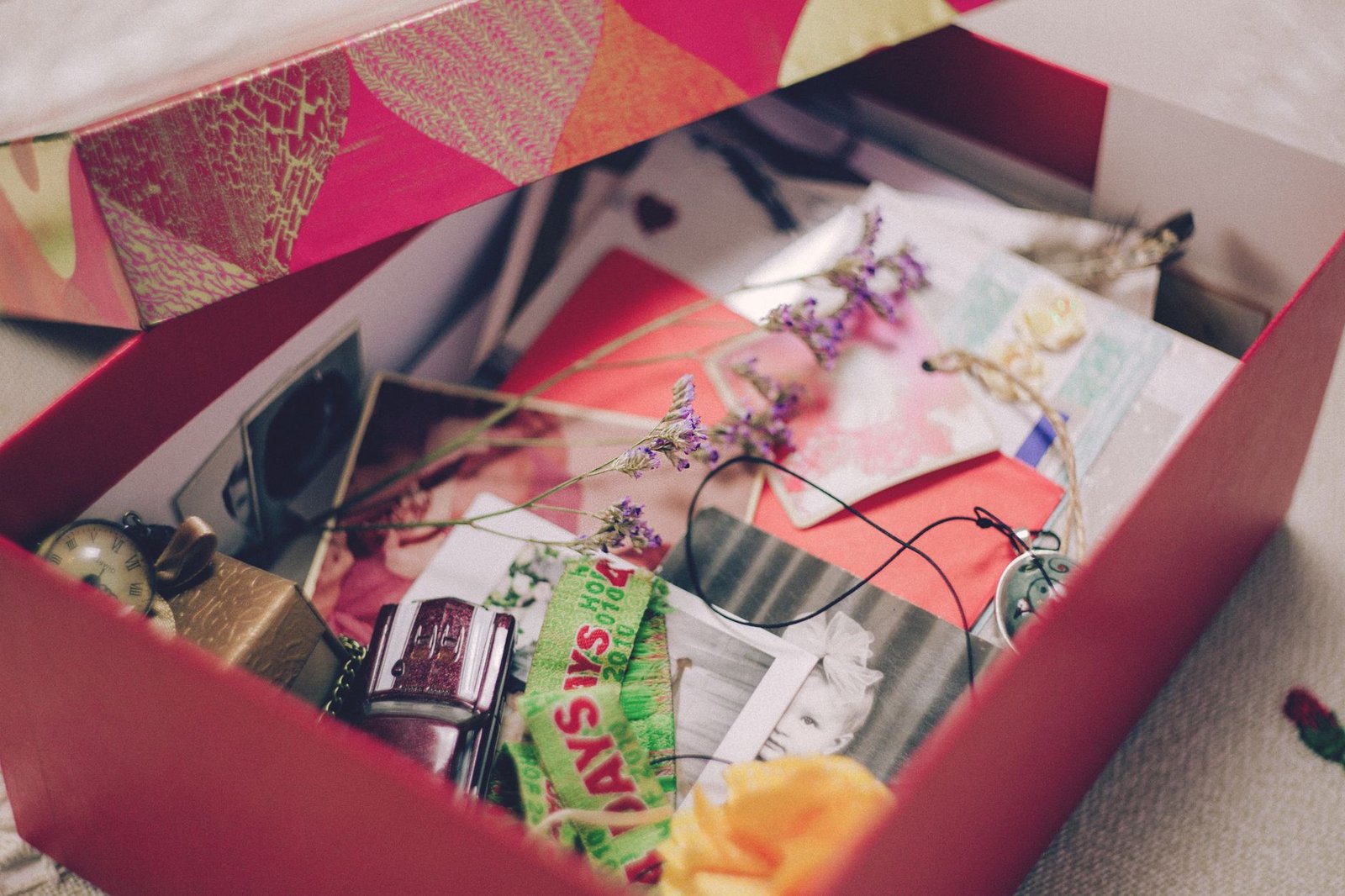
In 2026, navigating the emotional landscape of sentimental possessions remains a significant challenge for homeowners striving for domestic tranquility. There isn’t a single ‘best’ method, but rather a spectrum of effective methodologies—KonMari, Swedish Death Cleaning, and the ‘One In, One Out’ principle among them—each offering unique advantages for managing cherished memories without overwhelming modern living spaces. The optimal approach often involves a thoughtful combination of these strategies, adapted to the individual’s lifestyle and the evolving trends in home organization and material science.
The Enduring Challenge of Sentimental Accumulation in 2026
The accumulation of sentimental items poses a unique hurdle in the pursuit of an organized and comfortable home. Unlike everyday clutter, these objects are imbued with personal history, memories, and emotional weight, making decisions about their retention or release particularly complex. In 2026, as living spaces become more compact and digitally integrated, the pressure to maintain a streamlined environment intensifies. Homeowners increasingly seek ways to honor their past without sacrificing present-day functionality or future adaptability.
The Psychological Landscape of Sentimental Items
Objects that evoke strong emotions often become repositories for significant life events. Photographs, letters, inherited trinkets, and gifts can trigger nostalgia, comfort, or even grief. The act of decluttering these items is not merely about physical removal; it is an emotional process that requires introspection and often, a re-evaluation of personal values. Modern domestic comfort analysis emphasizes that a harmonious home environment supports mental well-being, underscoring the importance of addressing sentimental clutter with sensitivity and effective strategies.
Leading Methodologies for Sentimental Decluttering in 2026
Several well-established decluttering frameworks offer robust guidance for approaching sentimental items, now enhanced by contemporary adaptations and 2026’s technological advancements.
The KonMari Method: Sparking Joy with a Modern Lens
Developed by Marie Kondo, the KonMari Method encourages the user to gather all items of a single category, hold each one, and ask, “Does this spark joy?” For sentimental items, this question becomes profoundly introspective. In 2026, the application of KonMari has evolved to include considerations for digital joy. Residents are encouraged to appreciate physical items for their immediate emotional resonance, while actively embracing high-resolution digital archiving for photographs, letters, and even children’s artwork that might not necessitate a physical presence. The method’s core principle—retaining only what genuinely enhances life—is particularly powerful when applied to the emotional weight of keepsakes.
Swedish Death Cleaning (Döstädning): A Legacy of Thoughtful Reduction
Döstädning, a concept popularized by Margareta Magnusson, involves slowly and thoughtfully decluttering one’s possessions to ease the burden on loved ones in the future. While the name may seem stark, its philosophy is one of profound care and intentionality. For sentimental items, this method encourages the homeowner to consider which stories and memories they wish to pass on, and which items serve that purpose most effectively. It promotes open conversations with family members about cherished objects, allowing for shared memories and a graceful distribution or respectful release of items. In 2026, this approach aligns with growing trends in sustainable living and intergenerational dialogue, fostering a legacy of curated memories rather than overwhelming possessions.
The ‘One In, One Out’ Principle: Cultivating a Mindful Flow
The ‘One In, One Out’ principle is a straightforward, continuous decluttering strategy. When a new item enters the home, an existing, similar item must be released. While often applied to clothing or household goods, its utility for sentimental items lies in preventing future accumulation. For instance, when a new commemorative piece is acquired, the resident can assess if an older, less significant sentimental item can be digitized or passed on. This method fosters constant mindfulness about consumption and retention, ensuring that the volume of cherished items remains manageable over time. In 2026, this principle extends to the digital realm, where archiving new digital photos might prompt the review and deletion of older, less meaningful digital files.
2026 Trends and Innovations in Sentimental Preservation
The landscape of home organization in 2026 is heavily influenced by technological advancements and sustainable practices, offering new solutions for sentimental item management.
- Advanced Digital Archiving: Cloud-based storage solutions with AI-powered tagging and facial recognition simplify the organization of digital photos and videos. Services that offer high-resolution scanning of physical documents and artwork ensure a lossless digital copy, freeing up physical space. Holographic display technology is emerging as a novel way to ‘display’ scanned 3D sentimental objects without their physical presence.
- Sustainable Storage Solutions: The market in 2026 offers sophisticated, eco-friendly storage options. Biodegradable archival boxes made from recycled materials, moisture-resistant fabric containers woven from sustainable fibers, and smart climate-controlled storage units (both in-home and off-site) help preserve delicate items while minimizing environmental impact. These solutions often integrate subtle aesthetic designs that blend seamlessly with modern interiors.
- Experiential Integration: A growing trend focuses on transforming sentimental objects into functional art or experiences. For example, old textiles can be repurposed into bespoke cushions or wall hangings using 3D printing and smart fabric weaving techniques, giving them a new life and visibility without contributing to clutter. Custom digital frames displaying rotating photo albums from a cloud library exemplify this experiential shift.
- Professional Guidance Ecosystems: The role of professional organizers has expanded in 2026 to include specialists in digital asset management and sentimental decluttering. These experts provide personalized strategies, leveraging advanced tools for scanning, cataloging, and recommending optimal storage solutions, both physical and digital.
Implementing a Personalized Approach
Selecting the best decluttering method for sentimental items in 2026 involves a personalized strategy. The resident should assess their emotional connection to objects, their living space limitations, and their comfort with digital solutions. A hybrid approach, perhaps starting with a KonMari ‘joy check’ to identify truly cherished items, then applying Döstädning principles for thoughtful legacy planning, and finally integrating ‘One In, One Out’ for ongoing maintenance, can be highly effective. The process requires patience and self-compassion, acknowledging the emotional labor involved. Ultimately, the goal is to cultivate a home that beautifully reflects one’s history while serving the needs of the present and future, free from overwhelming clutter.