
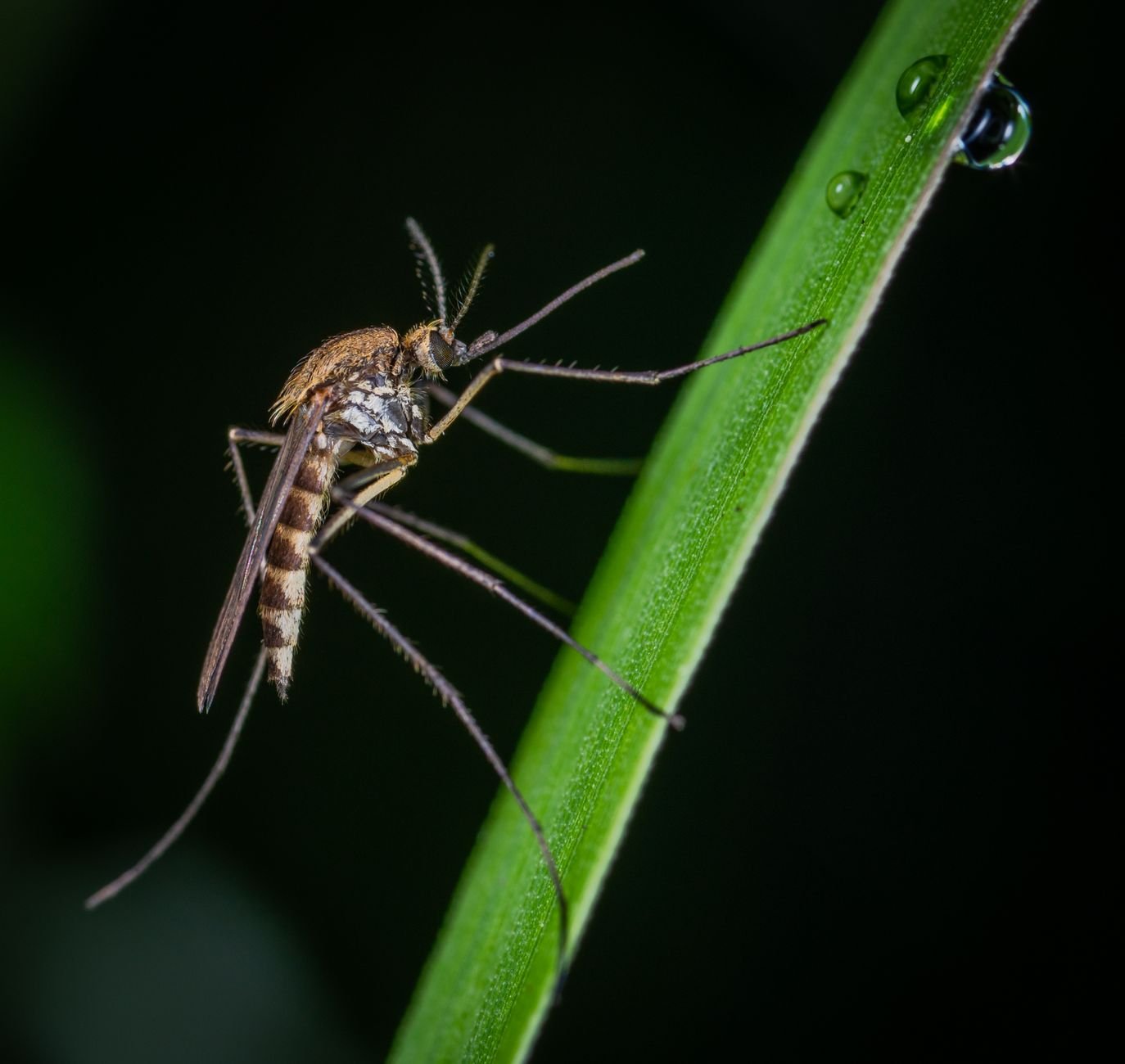
For homeowners aiming to maximize enjoyment of outdoor spaces, few nuisances are as persistent as mosquitoes. These tiny insects can transform a peaceful patio into an uncomfortable zone, but natural, eco-friendly strategies offer effective solutions. In 2026, residents can reclaim their outdoor living areas with practical methods that deter mosquitoes without relying on harsh chemical sprays.
The current landscape of home comfort emphasizes sustainability and integrated pest management, moving away from conventional insecticides towards holistic environmental approaches. By understanding mosquito behavior and leveraging nature’s own defenses, it is entirely possible to cultivate a bug-free oasis.
Understanding Mosquito Behavior for Effective Deterrence
Mosquitoes are primarily attracted to standing water for breeding and to carbon dioxide and specific chemical compounds emitted by humans and animals. Effective deterrence begins with disrupting these fundamental needs. Modern pest management principles in 2026 focus on creating an environment that is naturally inhospitable to these insects, rather than simply attempting to eliminate them with short-term fixes. This proactive approach ensures long-term comfort and ecological balance.
1. Strategic Plant Power: Botanical Barriers
Harnessing the natural insect-repelling properties of certain plants is a cornerstone of a chemical-free patio. The aromatic compounds released by these botanicals act as a deterrent, creating a zone that mosquitoes prefer to avoid.
Aromatic Deterrents
- Citronella Grass (Cymbopogon nardus) and Lemongrass (Cymbopogon citratus): These plants are well-known for their strong, citrusy scent. Strategic planting around seating areas can create a fragrant barrier.
- Catnip (Nepeta cataria): Research has shown catnip to be highly effective at deterring mosquitoes. It thrives in various conditions and can be incorporated into patio borders.
- Lavender (Lavandula angustifolia): Beyond its calming aroma, lavender is often avoided by mosquitoes. Its beautiful blooms also add aesthetic appeal to any outdoor space.
- Rosemary (Salvia rosmarinus): This herb, when planted or burned, releases a scent that mosquitoes dislike. It is also an excellent culinary addition to an herb garden.
- Marigolds (Tagetes spp.): Containing pyrethrum, a compound used in many insect repellents, marigolds are easy to grow and can be placed in pots near entry points or seating.
- Mint (Mentha spp.): Various mint varieties produce strong scents that can help keep mosquitoes at bay. Planters are recommended as mint can spread rapidly.
2026 Planter Innovations
Modern outdoor design incorporates planters crafted from sustainable materials such as recycled bioplastics, bamboo composites, or reclaimed hardwoods. These vessels often feature integrated self-watering systems, ensuring plants receive optimal moisture without creating stagnant water sources. Some contemporary planters also come with built-in insect-repelling coatings or materials that enhance the effectiveness of botanical deterrents, aligning with the principles of holistic pest management.
2. Smart Water Management: Eliminating Breeding Grounds
Mosquitoes require standing water to lay their eggs. Eliminating these breeding sites is arguably the single most effective natural deterrent. A diligent approach to water management can significantly reduce mosquito populations.
Routine Inspections
The resident should perform weekly inspections of the patio and surrounding yard. Common culprits for standing water include:
- Bird baths: These should be cleaned and refilled every few days.
- Clogged gutters: Regular cleaning prevents water accumulation.
- Saucers under potted plants: Empty excess water promptly.
- Neglected pet bowls: Clean and refill daily.
- Tarps, buckets, and discarded tires: These must be emptied or stored to prevent water collection.
- Uneven patio surfaces: Address dips or depressions where water might pool after rain.
Sustainable Drainage Solutions
In 2026, outdoor design increasingly features permeable solutions. Permeable pavers, gravel grids, or resin-bound aggregates allow rainwater to filter directly into the ground, preventing puddling on hard surfaces. For larger landscape areas, rain gardens or bioswales can be integrated to manage stormwater runoff effectively, creating aesthetically pleasing features that also serve an ecological function. Furthermore, smart irrigation systems prevent overwatering, reducing potential standing water in planting beds.
3. Physical Barriers & Thoughtful Patio Design
Sometimes, the most direct approach is to physically block mosquitoes from entering a space. Thoughtful design elements can integrate these barriers seamlessly while enhancing comfort.
Enclosures and Screening
For ultimate protection, screened porches, patio enclosures, or gazebos with fine mesh netting are highly effective. Modern materials available in 2026 include ultrafine, durable mesh fabrics made from advanced polyester or fiberglass weaves that offer enhanced transparency and airflow while being virtually invisible. Retractable screen systems provide flexibility, allowing the homeowner to open up the space when mosquitoes are not a concern and deploy protection as needed. These systems often integrate seamlessly into the architectural design of the home.
Airflow and Fan Technologies
Mosquitoes are weak fliers. Introducing airflow with ceiling fans or oscillating floor fans on the patio can make it difficult for them to land and navigate. In 2026, outdoor fan designs are sleeker, more energy-efficient, and often integrate into smart home systems, allowing for automated control based on temperature or motion detection, creating a breezy, bug-free zone.
4. Natural Repellents & Eco-Friendly Traps
Beyond plants and physical barriers, specific natural repellents and advanced trapping systems provide additional layers of defense against mosquitoes.
Botanical Sprays and Diffusers
Essential oils can be effective mosquito deterrents. Blends containing lemon eucalyptus, cedarwood, peppermint, or clove oil can be diffused using portable, rechargeable outdoor diffusers designed for patios. These diffusers release a pleasant scent for humans while creating an unwelcome environment for mosquitoes. Similarly, diluted essential oil sprays can be applied to outdoor furniture or clothing (after patch testing).
Advanced Trapping Systems
Modern, eco-friendly mosquito traps have evolved significantly. CO2-based traps, which mimic human breath, lure mosquitoes into a collection chamber without using harmful chemicals. The 2026 generation of these traps boasts improved attractants, larger coverage areas, and reduced energy consumption. Many feature smart monitoring capabilities, allowing residents to track mosquito activity and manage the trap via a smartphone application, optimizing its placement and effectiveness.
5. Illumination & Ambiance: Light Management
The type of lighting used on a patio can also influence mosquito presence. Certain light spectrums are more attractive to insects than others.
Strategic Lighting Choices
Mosquitoes are generally less attracted to warm-toned light, particularly those in the yellow or orange spectrum. The use of LED lighting with a warm color temperature (e.g., 2700K or lower) can help reduce attraction compared to bright white or blue lights. In 2026, solar-powered LED options and smart lighting systems allow for customizable ambiance, enabling the homeowner to adjust light colors and intensity based on need, subtly discouraging insect presence.
Flameless Alternatives
Traditional candles or tiki torches, while atmospheric, can sometimes attract insects. Modern alternatives like LED candles and lanterns provide the desired ambiance without emitting heat or light wavelengths that might draw mosquitoes. Many contemporary designs offer realistic flickering effects, enhancing comfort without inviting pests.
Conclusion
Achieving a bug-free patio in 2026 is entirely achievable through a comprehensive, natural approach. By strategically integrating botanical deterrents, diligent water management, thoughtful design elements, advanced eco-friendly traps, and smart lighting choices, the homeowner can create an outdoor sanctuary that is both comfortable and sustainable. These multi-faceted strategies ensure that outdoor living spaces remain enjoyable havens for relaxation and entertainment, free from the annoyance of mosquitoes, aligning perfectly with modern desires for domestic comfort and ecological responsibility.