
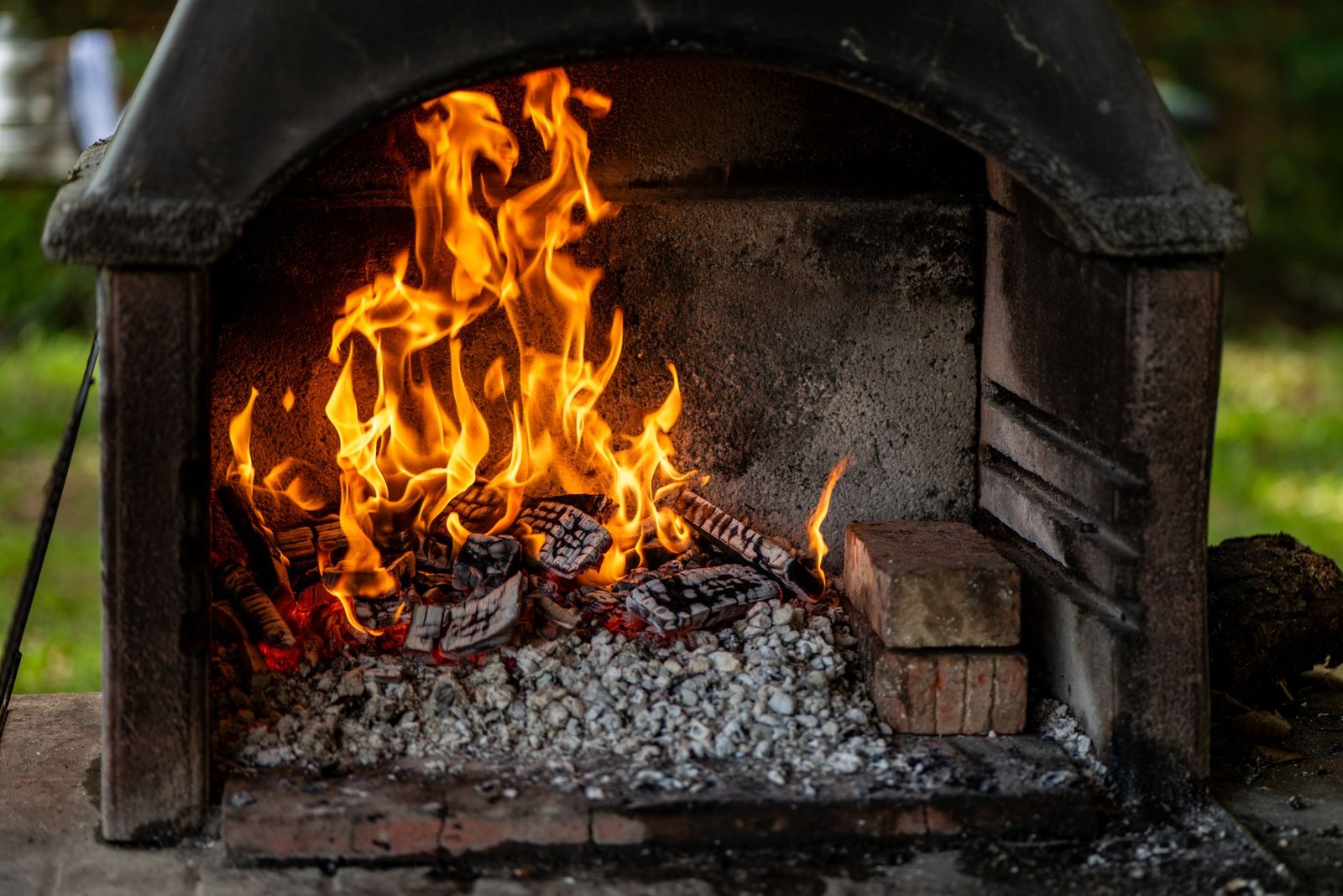
As 2026 ushers in new trends and technologies in outdoor living, the perennial debate between gas and wood-burning fire pits remains a central consideration for homeowners enhancing their backyards. Determining which option is "better" for 2026 backyards is not a straightforward answer; rather, it depends fundamentally on the resident’s lifestyle, aesthetic preferences, budget, and local regulatory landscape. This comprehensive comparison will dissect the advantages and disadvantages of each type, integrating current industry developments and material innovations, to assist the homeowner in making an informed decision for their outdoor sanctuary.
The Allure of the Wood-Burning Fire Pit in 2026
The wood-burning fire pit continues to captivate residents seeking a primal, authentic outdoor experience. For many, nothing quite replicates the sensory richness of a crackling wood fire.
Pros: Rustic Charm and Sensory Experience
- Authentic Ambiance: The natural flame, the distinct aroma of burning wood, and the characteristic crackle create an unmatched, traditional campfire atmosphere. This fosters a deep connection to nature and a rustic aesthetic that many find irresistible.
- Powerful Heat Output: Wood-burning fire pits typically generate more intense heat, making them ideal for larger gatherings or cooler evenings where significant warmth is desired.
- Cost-Effective Fuel: For those with access to readily available or inexpensive firewood, the ongoing fuel cost can be lower than propane or natural gas.
- Culinary Versatility: The ability to cook over an open flame, from roasting marshmallows to preparing campfire meals, adds a layer of functionality and enjoyment.
Cons: Maintenance, Regulation, and Environmental Footprint
- Significant Maintenance: Wood-burning units require regular ash cleanup, kindling preparation, and dedicated storage for firewood. This can be a deterrent for individuals seeking a low-maintenance outdoor space.
- Smoke and Particulates: The smoke produced can be bothersome to some users and neighbors, impacting air quality. Sparks are also a concern, necessitating careful placement and safety precautions.
- Evolving Regulations: In 2026, many municipalities are implementing stricter regulations regarding open burning, particularly during dry seasons. Local fire bans or restrictions on smoke emissions can limit usage.
- Environmental Impact: While modern wood-burning fire pits feature advanced combustion technologies (e.g., smokeless designs like secondary combustion systems) to reduce emissions, they still produce particulate matter and carbon emissions, which is a consideration for environmentally conscious homeowners.
The Modern Efficiency of Gas Fire Pits for 2026
Gas fire pits have risen significantly in popularity due to their convenience and clean operation, aligning perfectly with modern living expectations.
Pros: Convenience, Control, and Cleanliness
- Instant On/Off: The primary advantage is unparalleled convenience. A simple turn of a key or press of a button ignites the flame instantly, eliminating the need for kindling, stoking, or waiting for embers.
- No Smoke or Ash: Gas fire pits produce no smoke, sparks, or ash, resulting in a significantly cleaner experience. This is ideal for those with respiratory sensitivities or a desire for pristine outdoor furniture.
- Precise Heat Control: Flame height and heat output can be easily adjusted, offering greater control over the ambiance and warmth provided.
- Design Versatility: Available in a vast array of designs, materials (including 2026’s popular GFRC – Glass Fiber Reinforced Concrete – and weather-resistant composites), and sizes, gas fire pits seamlessly integrate into any modern landscape design. Smart home integration, allowing remote activation and scheduling via apps, is also a growing trend.
- Safety: Equipped with automatic shut-off valves and other safety features, gas fire pits often present fewer immediate fire hazards than open wood fires.
Cons: Installation, Heat Output, and Aesthetic Limitations
- Higher Initial Cost: While the units themselves can vary, installing a natural gas line to the desired location can be a significant upfront expense. Propane tanks offer portability but require refills.
- Lower Heat Output: Generally, gas fire pits provide less intense heat compared to wood, which might be a drawback in colder climates or for large gathering areas.
- Aesthetic Nuances: While the flames are attractive, they lack the characteristic crackle, smoke, and woody aroma that some residents associate with a true campfire experience. Decorative fire media like lava rock or glass beads are used instead of logs.
- Reliance on Fuel Source: Operation depends on a consistent supply of natural gas or readily available propane tanks.
Key Considerations for the 2026 Backyard
Choosing between these two distinct fire pit types requires a thoughtful assessment of several factors pertinent to the resident’s specific situation.
Lifestyle and Usage Patterns
- Frequency of Use: For spontaneous, frequent use, the instant gratification of a gas fire pit is often preferred. For occasional, planned gatherings where the ritual of building a fire is part of the appeal, wood might be suitable.
- Entertainment Style: If roasting marshmallows and sharing campfire stories is paramount, wood-burning is ideal. For sophisticated ambiance and easy conversation without smoke, gas is superior.
Budget and Installation
- Upfront Costs: Wood-burning units often have lower initial purchase prices. Gas units can be more expensive, especially if a new natural gas line installation is required.
- Ongoing Costs: Consider the cost of firewood versus propane refills or natural gas consumption. Market fluctuations in 2026 could impact these costs.
Local Regulations and Safety
- Fire Bans and Restrictions: Research local ordinances thoroughly. Some areas have outright bans on wood-burning or require specific spark arrestors and clearances.
- Proximity to Structures: Ensure adequate clearance from combustible materials, an increasingly emphasized safety standard for both types.
- HOA Rules: Homeowners’ associations often have specific guidelines regarding outdoor fire features.
Evolving Trends and Material Innovations
The 2026 market for fire pits emphasizes durability, sustainability, and smart integration.
- Smart Home Integration: Gas fire pits are increasingly featuring Wi-Fi connectivity, allowing homeowners to control them via smartphone apps, integrate with voice assistants, and even schedule operation.
- Advanced Combustion for Wood: Innovations in wood-burning designs focus on cleaner burns through secondary combustion systems, reducing smoke by up to 70% and maximizing fuel efficiency.
- Durable Materials: The use of Glass Fiber Reinforced Concrete (GFRC) is trending for its lightweight yet robust nature, offering sophisticated aesthetics and resistance to extreme weather. Powder-coated aluminum and high-grade stainless steel are also prevalent for their longevity and sleek appearance.
- Modular and Customizable Designs: Both gas and wood fire pits are available in modular systems, allowing for personalized configurations and easier integration into existing landscape designs.
- Sustainability Focus: Manufacturers are increasingly using recycled materials and promoting energy-efficient designs to appeal to environmentally conscious consumers.
Making the Informed Decision
Ultimately, the choice between a gas and wood-burning fire pit for a 2026 backyard hinges on a careful evaluation of individual priorities. If the homeowner values instant convenience, cleanliness, precise control, and modern aesthetics, a gas fire pit will likely be the superior choice. If, however, the resident prioritizes the rustic charm, powerful heat, and authentic sensory experience of a traditional campfire, along with the ritual of tending a fire, a wood-burning unit—especially a modern, low-smoke design—will be more fitting. Thoroughly researching local regulations and considering long-term usage patterns will guide the homeowner toward the optimal outdoor fire feature that enhances their unique backyard oasis.