
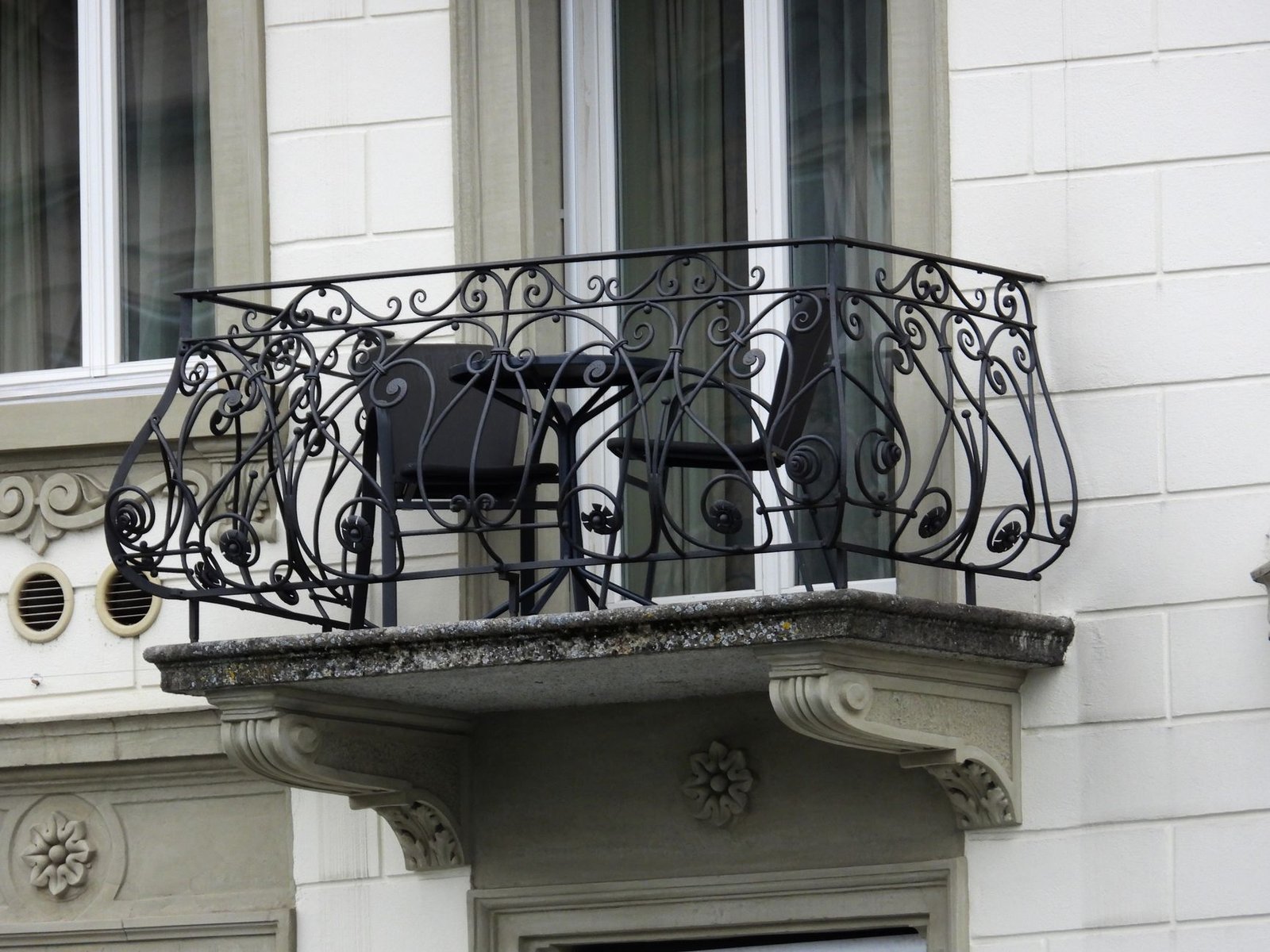
Even the most compact outdoor areas possess significant potential for transformation into inviting and expansive-feeling havens. By implementing creative design strategies and leveraging cutting-edge material developments, residents can effectively maximize space and create the illusion of a larger, more functional patio area. The year 2026 brings forth exciting trends and innovations, allowing for remarkable enhancements to even the smallest backyards.
Maximizing Vertical Space and Boundaries
One of the most impactful ways to enlarge the perceived area of a small patio involves strategic utilization of vertical dimensions and thoughtful boundary management. Overlooking the vertical plane means missing out on valuable design real estate.
1. Vertical Gardens and Living Walls
Integrating vertical gardens or living walls is a quintessential 2026 trend, perfect for small spaces. These installations introduce lush greenery without consuming precious floor area, enhancing biophilic connection. Modern modular systems are easier to install and maintain, often featuring integrated smart irrigation that optimizes water usage. Drought-resistant succulents, compact ferns, and various native plant species are popular choices, offering vibrant aesthetics and supporting local ecosystems. Furthermore, advanced hydroponic and aeroponic vertical systems are becoming more accessible for residential use, allowing for diverse plant selections and simplified care.
2. Strategic Mirror Placement
The judicious placement of outdoor-grade mirrors can dramatically amplify a patio’s perceived size. When positioned to reflect desirable views, such as greenery or architectural features, mirrors create an optical illusion of extended space. For 2026, manufacturers offer highly durable mirrors with composite frames resistant to UV, moisture, and temperature fluctuations, ensuring longevity and minimal maintenance. Selecting mirrors with a slight antique finish can also add character while diffusing harsh reflections.
3. Translucent or Open Fencing
Replacing solid, imposing fences or walls with translucent or open boundary solutions immediately fosters a sense of openness. Instead of bulky structures, consider laser-cut metal screens with intricate patterns, slender slat fences crafted from recycled composite wood, or elegant wire trellises designed to support climbing plants. These options allow light and glimpses of the outside world to penetrate, visually dissolving rigid barriers and making the area feel less enclosed. Permeable materials like perforated aluminum panels or frosted polycarbonate also offer privacy without total obstruction, aligning with modern design aesthetics.
4. Integrated Storage Solutions
Clutter can quickly shrink a small space. Implementing integrated storage solutions is crucial for maintaining an uncluttered, expansive feel. Bench seating with hidden compartments, modular outdoor cabinets that blend seamlessly with the decor, or even vertical shelving units for garden tools and cushions prevent items from encroaching on circulation areas. The 2026 market offers sleek, weather-resistant storage units constructed from materials like marine-grade polymers or powder-coated aluminum, ensuring durability and style.
Smart Furnishing and Layout Choices
The selection and arrangement of furniture play a pivotal role in dictating the functionality and perceived scale of a patio. Thoughtful choices can transform a cramped area into a versatile outdoor room.
5. Multifunctional Furniture
Embracing multifunctional furniture pieces is a non-negotiable strategy for small patios. Items such as ottomans that double as extra seating or small tables, nesting tables that can be separated or stacked as needed, and stackable or foldable chairs provide flexibility without sacrificing space. Lightweight materials like woven resin, aluminum, or minimalist wire designs make these pieces easy to move and reconfigure. Innovative designs in 2026 include modular outdoor sofa systems that can be adapted for various seating arrangements or even transformed into daybeds.
6. Scale-Appropriate Seating
Resisting the urge to fill the space with oversized furniture is paramount. Opt for scale-appropriate seating options such as compact bistro sets, slender outdoor bar stools, or custom-built floating benches that are attached directly to a wall. These choices ensure adequate circulation pathways and prevent the area from feeling overwhelmed. Corner sofas designed specifically for tight spaces are also becoming prevalent, maximizing seating capacity in challenging layouts.
7. Strategic Lighting
Effective lighting design extends the usability of a patio into the evening hours and creates an illusion of depth. Uplighting on plants or architectural features draws the eye upward, while string lights or festoon lights create a canopy effect, making the space feel more enclosed and intimate, yet also larger as the eye tracks the light path. Smart LED strips integrated into deck edges or under benches provide ambient glow and can be controlled via smart home systems, offering customizable colors and brightness for different moods. Solar-powered options continue to evolve, offering sustainable and easy-to-install lighting solutions.
Illusion-Creating Design Elements
Beyond furniture and structure, specific design elements can trick the eye into perceiving a more expansive environment.
8. Light Color Palettes
Employing light color palettes for flooring, walls, and furniture is a foundational principle for small space design. Lighter shades reflect more light, making an area feel brighter and more open. White, cream, pale grays, and soft blues are excellent base colors. Accents can introduce muted pastels or earthy tones, which align with current biophilic design trends, enhancing tranquility without adding visual weight. The use of innovative ‘cool’ paints and coatings with high solar reflectance values is also gaining traction, helping to mitigate heat buildup on patios.
9. Diagonal Layouts and Flooring Patterns
Laying paving stones or decking boards in a diagonal pattern, rather than parallel to the edges, can create a powerful illusion of depth and length. This design choice draws the eye along the longest dimension, making the space appear wider and longer than it actually is. Large format tiles or permeable pavers with subtle patterns are also effective, minimizing grout lines and creating a more seamless, expansive surface. Concrete stamping and artistic inlay patterns are also seeing renewed interest for bespoke patio flooring in 2026.
10. Defined Zones with Area Rugs
While it might seem counterintuitive to add a rug to a small space, a well-chosen outdoor area rug can define distinct zones without the physical bulk of walls or dividers. This creates a sense of purpose and organization, making the overall area feel more deliberate and thus larger. Opt for weather-resistant rugs made from recycled PET fibers or durable polypropylene, which are easy to clean and resist fading. Patterns that feature subtle stripes or geometric designs can also contribute to the perception of extended space.
Conclusion
Transforming a compact patio into a space that feels expansive and luxurious is entirely achievable through thoughtful design and an understanding of spatial illusions. By integrating vertical elements, selecting smart, multifunctional furnishings, and applying illusion-creating design principles—all while considering the latest material innovations and trends of 2026—the resident can create an outdoor sanctuary that belies its actual dimensions. These ten clever strategies empower the homeowner to unlock the full potential of their small outdoor living area, proving that grandeur is not solely determined by square footage but by ingenious design.