
Addressing stale home air effectively is paramount for maintaining a healthy and comfortable living environment. In 2026, boosting indoor ventilation involves implementing a combination of accessible natural and sophisticated mechanical strategies. These methods are designed to refresh interior spaces, mitigate pollutant buildup, and significantly enhance overall domestic comfort for the resident.
The increasingly airtight construction methods prevalent in modern homes, while excellent for energy efficiency, inadvertently contribute to the accumulation of indoor pollutants such as volatile organic compounds (VOCs) from furnishings and cleaning products, carbon dioxide, and allergens. Ensuring robust air exchange is no longer merely a comfort consideration; it is a critical component of a healthy domestic ecosystem, directly impacting well-being and productivity. The strategies outlined below offer practical, affordable avenues for homeowners to improve indoor air quality and ventilation.
The Imperative of Fresh Air in 2026 Homes
As residential design continues to prioritize sustainability and energy conservation, homes built or renovated in 2026 are often exceptionally insulated and sealed. While this reduces heating and cooling demands, it also traps indoor air, leading to a higher concentration of pollutants. Emerging trends in smart home technology, coupled with a heightened awareness of environmental health, place a strong emphasis on proactive indoor air quality management. Modern material developments, such as zero-VOC paints and furniture crafted from recycled, low-emission compounds, help reduce the initial source of some pollutants, but effective ventilation remains the cornerstone of superior indoor air.
Harnessing Natural Airflow: Foundational Ventilation Strategies
1. Strategic Cross-Ventilation Techniques
One of the most straightforward and energy-efficient methods to refresh indoor air involves creating a cross-ventilation path. This entails opening windows and doors on opposing sides of a dwelling or within a room to allow outside air to flow freely through the space, pushing stale air out. The homeowner should aim to do this during cooler parts of the day, particularly in warmer climates, to avoid excessive heat gain. Smart window systems available in 2026 can be programmed to automate this process, opening slightly when outdoor conditions are optimal (e.g., lower humidity and temperature) and air quality sensors detect elevated indoor pollutant levels, ensuring minimal thermal discomfort and maximizing fresh air intake.
2. Optimizing the Stack Effect
The stack effect, or chimney effect, utilizes natural convection to ventilate a home. Warm air naturally rises, so by opening lower-level windows or vents and upper-level windows or vents (such as skylights or high clerestory windows), a thermal pressure differential is created. This allows warm, stale indoor air to exit through the upper openings while cooler, fresh air is drawn in through the lower ones. This principle is particularly effective in multi-story homes or those with vaulted ceilings. Modern roofing materials now often integrate passive ventilation systems that enhance this effect, preventing heat buildup in attics and supporting whole-house air movement.
3. Landscape Design for Enhanced Air Movement
Thoughtful landscape architecture can significantly contribute to natural ventilation. Strategically planted trees and shrubs can direct prevailing breezes towards desired openings in the home, creating a natural funnel effect for airflow. Deciduous trees can also provide summer shading, reducing the need for air conditioning and encouraging more frequent natural ventilation. Permeable paving materials and well-placed water features in surrounding outdoor spaces can reduce the urban heat island effect around the property, further encouraging cooler, more comfortable air to enter the home during ventilation cycles.
Elevating Air Quality: Modern Mechanical Ventilation Solutions
4. Upgrading Exhaust Fan Systems
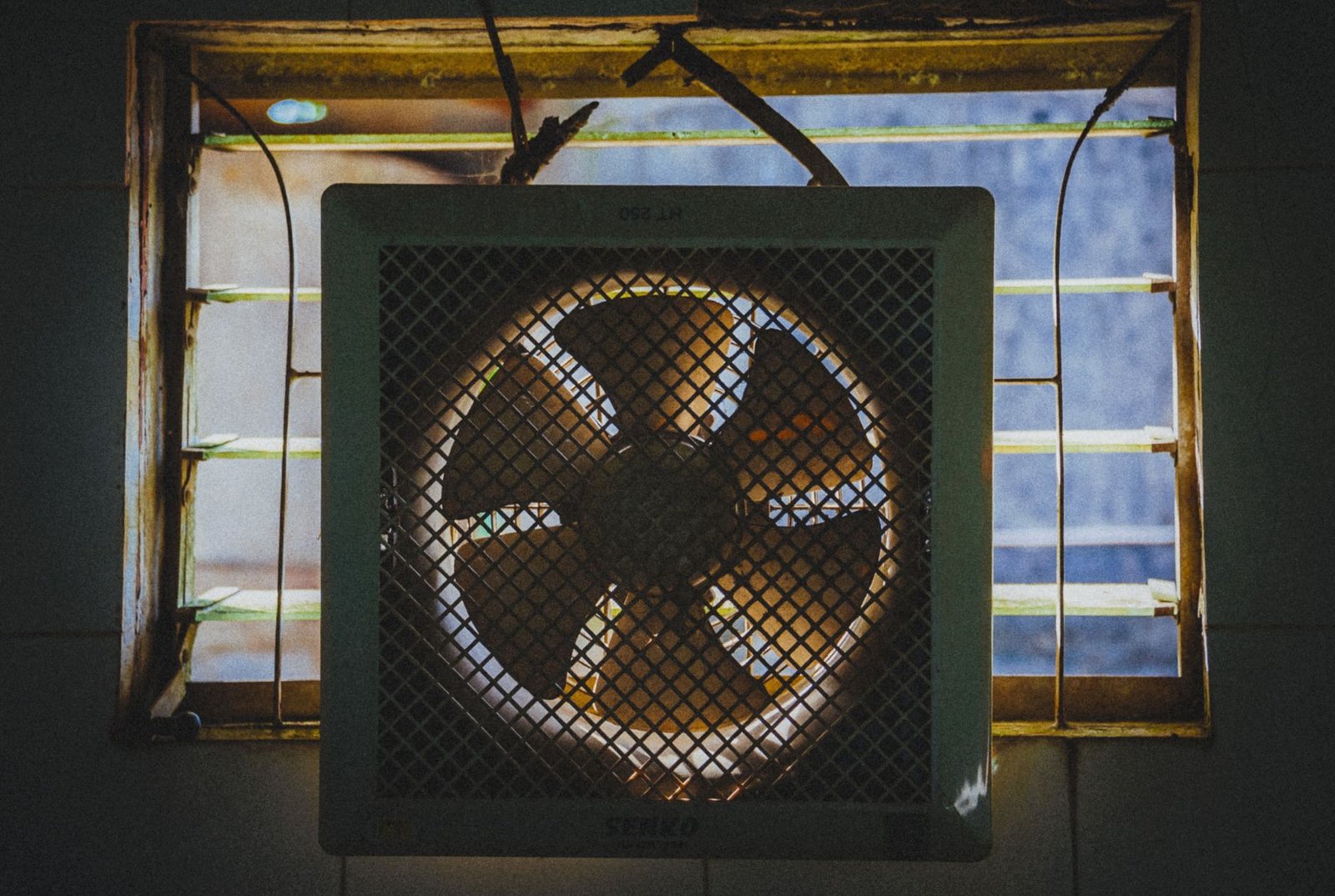
Exhaust fans in bathrooms, kitchens, and laundry rooms are critical for removing moisture, odors, and pollutants at their source. For 2026, homeowners should consider upgrading to models featuring ultra-quiet, energy-efficient EC (electronically commutated) motors that offer variable speed control. Many contemporary units come equipped with smart humidity sensors that automatically activate when moisture levels rise, preventing mold and mildew growth, and integrated timers to ensure adequate air removal after use. Some advanced kitchen hood systems now incorporate multi-stage filtration for both particulate matter and VOCs.
5. Implementing Whole-House Recovery Ventilators
For homes prioritizing energy efficiency and continuous fresh air, a Heat Recovery Ventilator (HRV) or Energy Recovery Ventilator (ERV) is an indispensable system. These devices continuously bring in fresh outdoor air while exhausting an equal amount of stale indoor air. Critically, they transfer heat (HRVs) or both heat and humidity (ERVs) between the incoming and outgoing air streams. This process significantly reduces the energy penalty associated with ventilation, making it a sustainable choice for 2026 homes, especially in colder or more humid climates. Many new models integrate advanced filtration and can be controlled by smart home systems, modulating airflow based on indoor air quality sensor readings.
6. Leveraging Advanced Portable Air Purification
While not a direct ventilation method, portable air purifiers play a crucial supplementary role in improving indoor air quality, particularly in specific zones or for residents with sensitivities. Contemporary purifiers often feature multi-stage filtration systems including medical-grade HEPA filters for particulate matter, activated carbon for VOCs and odors, and increasingly, catalytic filters or UV-C light for breaking down airborne pathogens and harmful gases. Smart purifiers integrate with home networks, allowing for remote monitoring and control, and can respond automatically to localized air quality issues detected by integrated sensors.
7. Integrating Smart Air Quality Monitoring
The ultimate proactive approach to indoor ventilation in 2026 involves implementing a comprehensive smart home air quality monitoring system. These integrated platforms utilize an array of sensors to detect CO2 levels, VOCs, particulate matter (PM2.5, PM10), humidity, and even radon. When pollutant levels exceed predefined thresholds, the system can automatically trigger various ventilation actions – from opening smart windows and activating exhaust fans to boosting the operation of an HRV/ERV. This AI-driven automation ensures that fresh air is supplied precisely when and where it is needed, optimizing both comfort and energy consumption.
Achieving Optimal Indoor Air Quality
Improving indoor ventilation in 2026 is an accessible goal for every homeowner. By combining strategic natural airflow techniques with modern mechanical solutions and leveraging smart home technology, the resident can cultivate an environment where fresh, healthy air is a constant. These strategies not only combat stale air but also contribute to a foundation of well-being and domestic comfort, reflecting the evolving standards for healthy living spaces.