
The Imperative for Drought-Tolerant Landscaping in 2026
In 2026, creating a resilient, low-maintenance garden is paramount for homeowners. The selection of drought-tolerant shrubs offers an ideal solution, ensuring vibrant landscapes with minimal water and care inputs. This article presents specific varieties known for their hardiness and aesthetic appeal, perfectly suited for the contemporary eco-conscious garden.
Global climate patterns continue to underscore the importance of water conservation, positioning sustainable landscaping as a fundamental practice. The shift from traditional, water-intensive garden designs towards resource-efficient models is not merely a trend but a necessity. For 2026, garden design prioritizes smart landscaping solutions, resource efficiency, and the seamless integration of native and adapted plant species that thrive with minimal intervention.
Modern horticulture emphasizes creating landscapes that are not only beautiful but also ecologically sound. This involves selecting plants that naturally resist drought, require less pruning, and are generally less susceptible to pests and diseases. The benefits extend beyond water savings, encompassing reduced labor for garden maintenance and a contribution to local biodiversity, particularly when choosing native or well-adapted species that support local fauna.
Exemplary Drought-Tolerant Shrubs for the Modern Garden
The following shrubs represent some of the best choices for homeowners seeking to establish a low-maintenance, water-wise garden in 2026. Each variety offers unique attributes in terms of form, texture, and bloom, allowing for diverse and engaging landscape designs.
Mediterranean Marvels
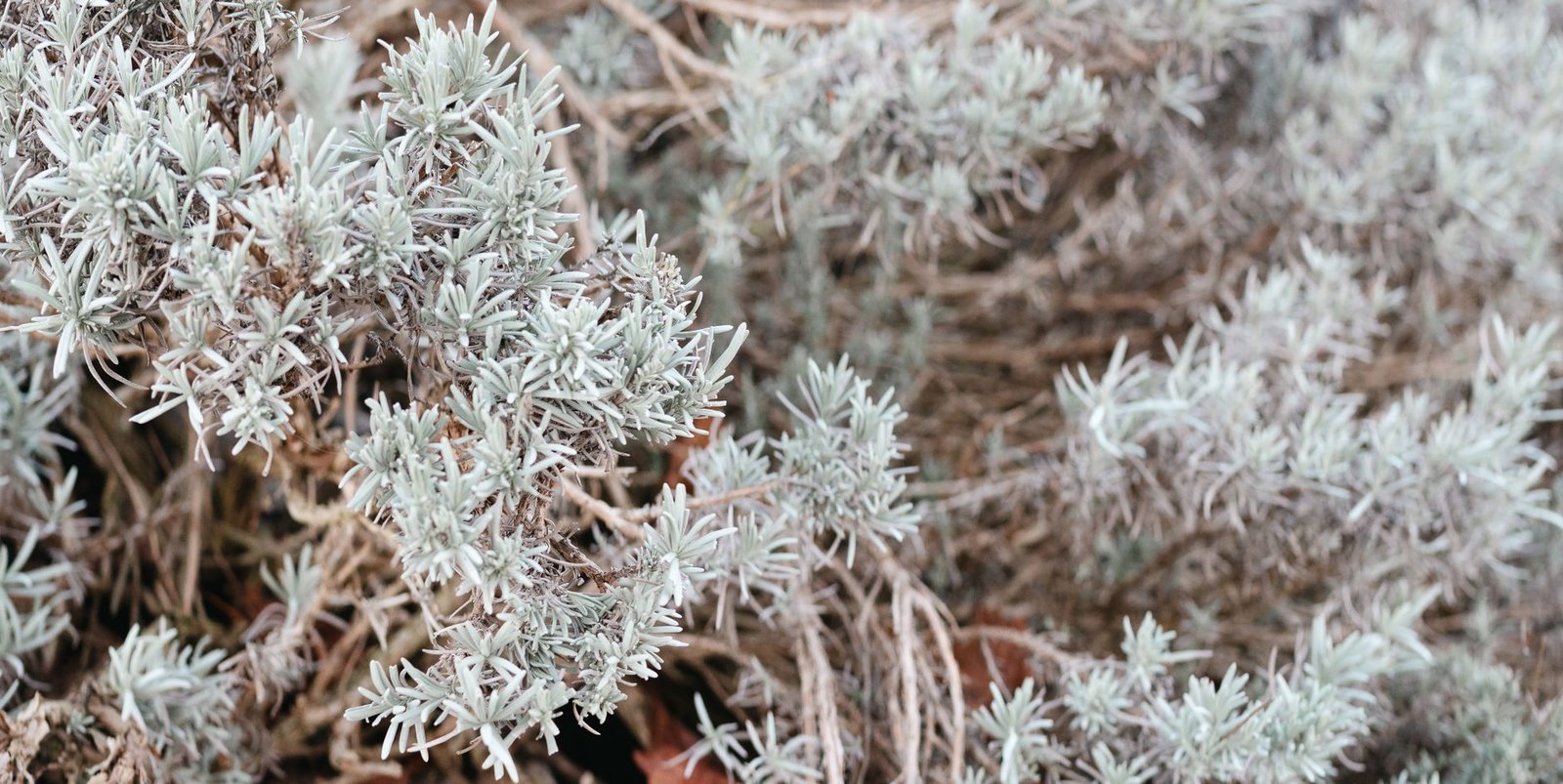
- Lavender (Lavandula spp.): Renowned for its aromatic foliage and purple flower spikes, Lavender is a quintessential drought-tolerant plant. It thrives in full sun and well-drained soil, making it perfect for Mediterranean-style gardens or as a fragrant border. Beyond its beauty, it is highly attractive to pollinators and requires minimal watering once established.
- Rosemary (Salvia rosmarinus): This versatile herb and ornamental shrub offers evergreen foliage and delicate blue flowers. Rosemary varieties range from upright forms to sprawling groundcovers, providing flexibility in design. Its robust nature makes it incredibly drought-resistant and an excellent choice for sunny, dry locations.
- Rockrose (Cistus spp.): Fast-growing and adorned with showy, papery flowers in shades of white, pink, or purple, Rockrose varieties are remarkably resilient in dry conditions. They are ideal for informal plantings, slopes, or areas where a bold statement is desired, performing best in full sun and poor to moderately fertile soil.
North American Natives & Adapted Varieties
- Ceanothus (California Lilac): A diverse genus of shrubs, many native to North America, Ceanothus offers a spectacular display of blue, white, or pink flowers in spring. Varieties range from compact groundcovers to large shrubs, providing excellent options for various landscape needs. They are crucial for supporting local ecosystems and thrive in well-drained soil with minimal summer water once mature.
- Manzanita (Arctostaphylos spp.): Known for its distinctive reddish-brown, peeling bark and evergreen foliage, Manzanita is a truly unique shrub. Many species are native to western North America, adapted to dry, lean soils. They provide year-round interest and are incredibly tough, making them excellent focal points or naturalistic plantings in arid landscapes.
- Juniper (Juniperus spp.): With an extensive range of shapes and sizes, from low-spreading groundcovers to upright conical forms, Juniper is an extremely versatile and hardy shrub. Its evergreen foliage and tolerance for a wide array of soil conditions, coupled with exceptional drought resistance, make it a reliable choice for foundation plantings, hedges, or specimen trees in challenging environments.
Succulent Shrub Alternatives
- Agave (Agave spp.): While technically succulents, many Agave species grow to shrub-like proportions and are invaluable for adding dramatic architectural form to a drought-tolerant garden. Their rosettes of stiff, often spiny, leaves create a striking presence. They require extremely low water and are ideal for arid and semi-arid zones, though careful placement is necessary due to their sharp leaf tips.
Implementing and Maintaining a 2026 Drought-Tolerant Garden
Establishing a successful drought-tolerant garden in 2026 goes beyond plant selection; it involves thoughtful planning and modern maintenance practices.
Smart Planting and Soil Preparation
Proper soil preparation is foundational. While these shrubs tolerate poor soils, enriching the planting area with organic matter can aid initial establishment. Crucially, ensuring excellent drainage is paramount, as most drought-tolerant shrubs will not tolerate ‘wet feet’. Incorporating advanced soil amendments like biochar, a modern development for 2026, can significantly enhance water retention in sandy soils and improve drainage in heavier clays, while also fostering beneficial microbial activity for long-term plant health.
Advanced Irrigation and Water Management
Even drought-tolerant shrubs require consistent watering during their establishment period, typically the first one to two years. After establishment, supplemental irrigation should be minimal. Modern gardens in 2026 leverage smart irrigation controllers, which integrate weather-sensing technology and soil moisture sensors to provide water only when and where it is needed. Drip irrigation systems are highly recommended for their efficiency, delivering water directly to the plant’s root zone with minimal evaporation or runoff. Mulching with organic materials like wood chips or inorganic options like gravel significantly conserves soil moisture, suppresses weeds, and moderates soil temperature. In hot climates, reflective mulches are becoming more prevalent to mitigate heat stress.
Pruning and Ongoing Care
One of the key advantages of selecting these shrubs is their minimal pruning requirements. Generally, pruning focuses on removing dead or diseased branches, shaping for aesthetic appeal, or controlling size. Over-pruning can stress the plant and reduce its drought tolerance. Furthermore, these selected varieties are typically resistant to common pests and diseases, further reducing the need for chemical interventions and ongoing maintenance.
Designing for Resilience and Aesthetic Appeal
A drought-tolerant garden in 2026 does not mean sacrificing beauty. Thoughtful design integrates varied forms, textures, and colors to create year-round visual interest. Grouping plants with similar water needs (hydrozoning) optimizes irrigation efficiency.
Integrating hardscaping elements, such as permeable pathways, patios, and decorative gravel beds, naturally reduces the overall water demand of the landscape. These elements complement the natural aesthetic of drought-tolerant plantings, enhancing the garden’s functionality and visual coherence. The long-term benefits for the resident are substantial, encompassing reduced resource consumption, increased biodiversity, potentially enhanced property value, and a significantly lower labor commitment compared to traditional landscapes.
In conclusion, selecting the best drought-tolerant shrubs is a strategic decision for any homeowner aiming to create a sustainable, beautiful, and low-maintenance garden in 2026. By embracing modern horticultural practices and these resilient plant choices, a thriving, eco-friendly landscape is not only achievable but also a testament to forward-thinking environmental stewardship.