
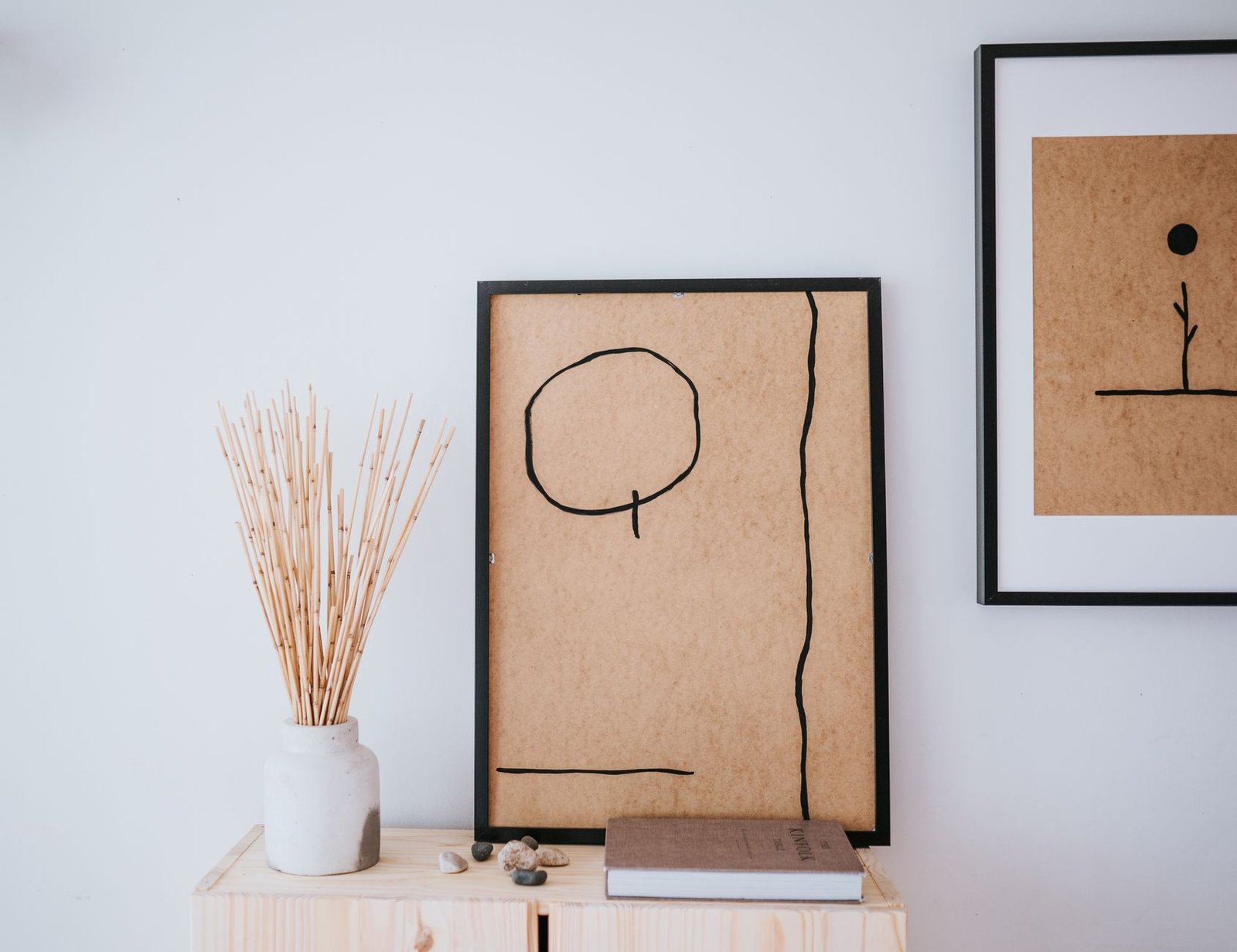
When seeking a serene and harmonious home environment in 2026, two dominant interior design philosophies often emerge: Japandi and Scandinavian. Both styles champion minimalism, natural elements, and functionality, yet subtle distinctions in their core tenets, aesthetics, and practical applications can significantly influence a resident’s daily experience. This article will meticulously compare these two popular approaches, integrating current industry trends and modern material developments, to assist the homeowner in determining which style optimally aligns with their vision for domestic tranquility this year.
Understanding Scandinavian Design in 2026
Scandinavian design, rooted in the Nordic philosophy of hygge (coziness and well-being) and lagom (just the right amount), continues its enduring appeal into 2026. Its fundamental goal is to create bright, functional, and inviting spaces that counteract long, dark winters, and this objective remains central.
Core Principles of Scandinavian Design
- Functionality: Every item serves a purpose, contributing to a clutter-free and efficient living environment.
- Simplicity: Clean lines, uncluttered spaces, and an absence of excessive ornamentation define the aesthetic.
- Light: Maximizing natural light is paramount, often achieved through large windows, sheer curtains, and reflective surfaces.
- Connection to Nature: Natural materials, botanicals, and motifs from the outdoors are integrated to foster a sense of calm and vitality.
- Democracy of Design: High-quality, aesthetically pleasing, and functional design should be accessible to everyone.
Aesthetics and Materials in 2026
The Scandinavian aesthetic in 2026 maintains its light, airy foundation but incorporates nuanced shifts. The dominant color palette remains neutral, featuring whites, creams, light grays, and soft pastels, now often complemented by deeper, muted earth tones such as forest green, terracotta, and denim blue, reflecting a growing biophilic trend. Materials continue to emphasize natural origin:
- Light Woods: Ash, birch, and bleached oak are preferred for furniture, flooring, and paneling, often treated with matte finishes to preserve their natural texture.
- Organic Textiles: Wool, cotton, linen, and hemp are prevalent in upholstery, throws, and rugs, with a noticeable rise in recycled and upcycled variations for sustainability.
- Ceramics and Glass: Hand-thrown pottery and subtly colored glass objects add artisanal touches without overwhelming the minimalist aesthetic.
- Subtle Metallics: Brushed brass or matte black accents are sparingly used for fixtures and hardware, providing a touch of quiet luxury.
For 2026, there is an increased focus on smart home integration that is invisible. Technology is seamlessly hidden within furniture or wall structures, preserving the clean lines and tranquil atmosphere. Sustainable sourcing and production remain critical considerations for Scandinavian design components.
Practical Applications for the Resident
Implementing Scandinavian design involves creating spaces that feel inherently comfortable and effortless. The resident will find practical applications in:
- Open Layouts: Promoting free flow and connection between living areas.
- Minimalist Furnishings: Selecting pieces that are streamlined, comfortable, and often multi-functional.
- Strategic Lighting: Utilizing layered lighting, from ambient to task, to enhance mood and usability.
- Decluttering: A fundamental practice to maintain visual serenity and functional efficiency.
The style encourages intentional curation, where every object has a story or purpose, contributing to a sense of calm and clarity.
Exploring Japandi Design in 2026
Japandi design is not merely a hybrid but a harmonious fusion of Japanese wabi-sabi principles and Scandinavian functionality. It celebrates imperfection, transience, and the beauty of natural processes, creating spaces that are profoundly balanced and serene.
Core Principles of Japandi Design
- Wabi-sabi: Embracing the beauty in imperfection, natural wear, and asymmetrical forms. This principle brings a unique depth and character.
- Minimalism with Warmth: Stripping away the unnecessary, but doing so with a focus on tactile comfort and inviting textures.
- Connection to Nature: An even deeper reverence for natural elements, often incorporating raw, unaltered materials.
- Craftsmanship: High value placed on handmade items, artisanal quality, and objects that tell a story through their creation.
- Harmony and Balance: A deliberate interplay of contrasting elements – light and dark, rough and smooth – to achieve visual equilibrium.
Aesthetics and Materials in 2026
The Japandi aesthetic in 2026 is characterized by a more pronounced contrast and a richer, yet still muted, color palette than its Scandinavian counterpart. While light neutrals are present, they are frequently balanced with deeper, grounding tones such as charcoal, indigo, sage green, and earthy browns.
- Darker, Richer Woods: Walnut, darker oak, and bamboo are frequently used, often in raw or lightly treated forms that highlight their grain and texture.
- Handmade Ceramics: Irregular shapes and earthy glazes are highly prized, reflecting the wabi-sabi appreciation for imperfection.
- Natural Fibers: Linen, cotton, jute, and paper are integral, often appearing in textured wall coverings, blinds, and artisanal textiles.
- Stone and Concrete: Used sparingly for raw, elemental accents such as countertops, decorative bowls, or architectural features, adding a grounding presence.
- Biophilic Elements: Greater integration of indoor plants, often single, sculptural specimens, to bring life and a meditative quality.
In 2026, Japandi design emphasizes the longevity and inherent beauty of materials. There is a strong movement towards upcycled and reclaimed wood, celebrating its history and natural imperfections. Advanced, durable composite materials that mimic natural textures while offering enhanced sustainability are also gaining traction, provided they maintain an authentic feel.
Practical Applications for the Resident
For the resident, Japandi design translates into a home that feels intentionally curated and deeply calming. Practical applications include:
- Deliberate Emptiness: Allowing ample negative space around objects to emphasize their form and create visual quiet.
- Low-profile Furniture: Often seen in seating and beds, fostering a connection to the ground and a sense of rootedness.
- Layered Textures: Combining different natural textures to add depth and warmth without relying on patterns or bright colors.
- Mindful Object Placement: Each decorative item is chosen for its intrinsic beauty and ability to evoke contemplation.
The style encourages a slower, more intentional way of living, promoting quiet reflection and appreciation for natural simplicity.
Key Distinctions and 2026 Trends
While both styles prioritize comfort, functionality, and nature, their fundamental differences guide the choice for a serene home in 2026.
The Blending of Forms
Scandinavian design leans towards uniformity and perfection in its clean lines and smooth finishes, embodying a bright, optimistic minimalism. Japandi, conversely, embraces a more rugged, earthier minimalism, celebrating asymmetry, raw edges, and the unique character of handcrafted items.
Materiality and Sustainability
Both styles champion natural materials and sustainability, a major trend in 2026 design. Scandinavian design often features lighter woods and a pristine finish, focusing on longevity and classic appeal. Japandi extends this to darker, more textured woods and emphasizes the raw, untouched quality of materials, often showcasing their natural imperfections. This year, the integration of advanced sustainable materials – such as mushroom leather alternatives, recycled ocean plastics transformed into durable decor, and innovative low-carbon concrete – will subtly appear in both, chosen for their eco-credentials and ability to mimic natural aesthetics.
Deciding for a Serene Home in 2026
The choice between Japandi and Scandinavian design ultimately rests on the homeowner’s specific aesthetic preference and desired atmosphere:
- For a Bright, Airy, and Optimistic Serenity: Scandinavian design is the optimal choice. Its emphasis on light colors, functional comfort, and accessible design creates an uplifting and spacious feel.
- For a Grounded, Meditative, and Imperfect Serenity: Japandi design offers a deeper, more contemplative calm. Its embrace of raw textures, darker accents, and wabi-sabi principles fosters a sense of grounded tranquility and authentic beauty.
In 2026, regardless of the chosen aesthetic, the overarching trend is towards biophilic integration—bringing the outside in more thoughtfully—and digital minimalism, where technology serves convenience without visual intrusion. Both styles are perfectly positioned to adapt, offering homeowners tailored pathways to a truly serene and harmonious living space.
Conclusion
Whether the resident gravitates towards the bright, optimistic minimalism of Scandinavian design or the grounded, contemplative beauty of Japandi, both philosophies offer compelling routes to a serene home in 2026. Scandinavian design excels in creating light-filled, functional spaces that promote well-being and approachability. Japandi, with its deeper color palettes and reverence for natural imperfection, cultivates a richer, more meditative tranquility. By understanding these distinctions and considering the evolving landscape of sustainable materials and subtle technological integration, the homeowner can confidently select the interior design style that best reflects their personal vision for domestic peace and harmony in the years ahead.