
For residents seeking to personalize rental properties without compromising lease agreements or security deposits, the choice between peel-and-stick wallpaper and traditional paint presents a perennial dilemma. In 2026, while advancements have refined both options, peel-and-stick wallpaper generally emerges as the superior choice for renters focused on ease of application, minimal commitment, and damage-free removal. Paint remains a viable, albeit more involved, option for those with explicit landlord approval and a readiness for more extensive preparation and restoration.
Ease of Application: Time and Skill Investment
The application process is a primary differentiator when evaluating temporary décor solutions for rental spaces. Each method demands distinct levels of preparation, skill, and time, significantly impacting a resident’s experience.
Peel-and-Stick Wallpaper: The DIY Revolution Continues
Peel-and-stick wallpaper, often referred to as removable wallpaper, has steadily grown in popularity, particularly for its user-friendly application. The process typically involves:
- Minimal Preparation: Surfaces generally require only cleaning and drying. Advanced formulations in 2026 often feature forgiving adhesives that can be repositioned multiple times during application, reducing errors.
- No Specialized Tools: A smoothing tool (often included or easily sourced), a utility knife, and a measuring tape are usually sufficient. There is no need for drop cloths, brushes, rollers, or paint trays, which significantly streamlines setup and cleanup.
- Time Efficiency: A feature wall can often be completed in a few hours, depending on its size and the complexity of the pattern. The instant gratification of seeing the finished product without extensive drying times is a significant benefit.
- Learning Curve: While generally straightforward, achieving perfectly aligned patterns and bubble-free finishes may require some practice. However, the forgiving nature of modern adhesives allows for corrections.
Traditional Paint: A More Involved Endeavor
Painting, while offering a vast spectrum of colors and finishes, is inherently a more labor-intensive process, especially in a rental context where pre-existing conditions and future restoration are concerns.
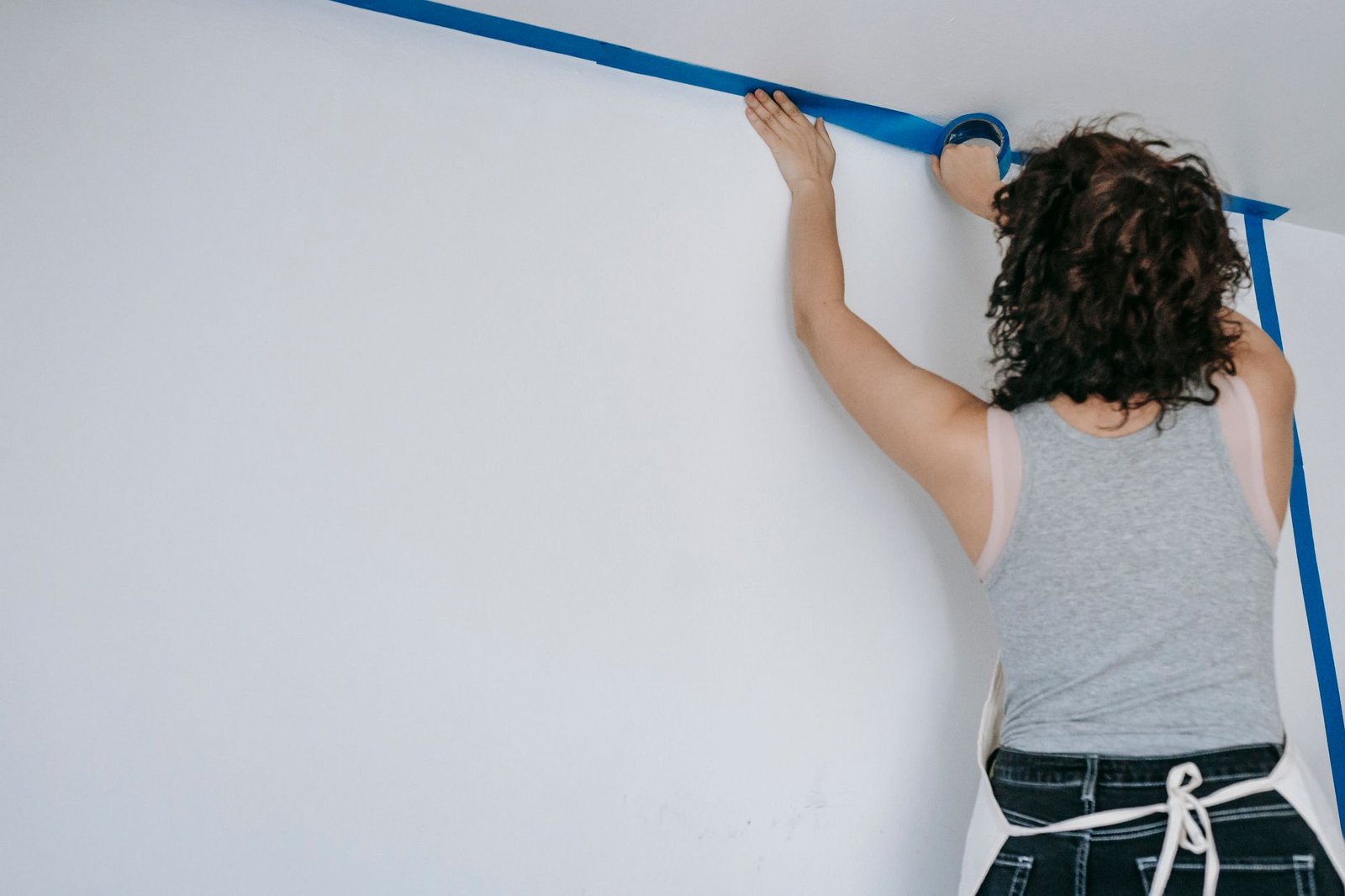
- Extensive Preparation: This involves cleaning walls, filling holes, sanding, taping trim, moving furniture, and laying down drop cloths. Neglecting proper preparation can lead to a substandard finish and potential damage to floors or fixtures.
- Multiple Stages: Painting typically requires priming, followed by one or two (or more, depending on color change) coats of paint, each with specific drying times. This extends the project over several days.
- Specialized Tools and Cleanup: Brushes, rollers, trays, and various cleaning solutions are essential. Cleanup is messy and time-consuming.
- Skill Requirement: Achieving crisp lines, even coverage, and avoiding drips requires a degree of skill and patience. While novice painters can manage, professional-looking results often demand experience. In 2026, low-VOC, quick-drying paints are standard, reducing indoor air quality concerns and project duration, but the fundamental steps remain.
Cost and Durability Considerations for Renters
The financial outlay and the material’s ability to withstand daily life are crucial factors for residents managing budgets and desiring lasting aesthetic improvements.
Initial Investment and Long-Term Wear: Peel-and-Stick
The upfront cost of peel-and-stick wallpaper varies widely based on material quality, brand, and design complexity. Rolls can range from budget-friendly options to premium designer prints. While the per-square-foot cost might sometimes appear higher than paint initially, residents save significantly on:
- Labor: The DIY nature eliminates professional installation fees.
- Tools: The minimal tool requirement reduces initial expenditure.
- Future Restoration: The ease of removal typically avoids repainting costs upon move-out.
In terms of durability, 2026’s peel-and-stick products have advanced significantly. Many feature robust vinyl or fabric-based materials that are:
- Washable: Most are now wipeable, making them suitable for high-traffic areas or even kitchens and bathrooms (with appropriate moisture-resistant options).
- Scratch and Scuff Resistant: Improved finishes offer better protection against daily wear and tear compared to earlier generations.
- UV Resistant: Modern formulations resist fading, maintaining their vibrancy over several years.
Expected lifespan can range from 3-5 years, often exceeding a typical rental lease term.
Initial Investment and Long-Term Wear: Traditional Paint
The initial cost of paint can appear lower per gallon, but a comprehensive assessment includes more than just the paint itself:
- Paint Materials: Primer, paint (multiple gallons), painter’s tape, drop cloths, brushes, rollers, trays.
- Potential Professional Help: If the resident hires a painter, costs escalate significantly.
- Time Investment: The opportunity cost of a resident’s time spent on application and cleanup.
- Restoration Costs: The inherent expectation that walls will be returned to their original condition often means repainting with a neutral color upon move-out, adding a hidden cost.
Regarding durability, modern paints, especially those marketed as scrubbable or ultra-durable, offer excellent longevity and resistance to marks. Acrylic and latex paints are generally:
- Washable: Easy to clean with a damp cloth.
- Fade Resistant: High-quality paints maintain color integrity for many years.
- Repairable: Small scuffs or chips can often be touched up, though achieving an invisible repair can be challenging without professional skill.
However, paint’s durability is intrinsically linked to the underlying wall condition; cracks or imperfections will remain visible or require extensive patching.
Removal and Landlord Approval: The Critical Factor for Renters
The most significant consideration for any resident contemplating wall alterations is the impact on their security deposit and compliance with lease terms. This is where the temporary nature of peel-and-stick wallpaper holds a distinct advantage.
Peel-and-Stick Wallpaper: Designed for Easy Reversibility
The primary appeal of peel-and-stick wallpaper for renters lies in its promise of damage-free removal. When correctly applied to a properly primed and cured wall, removal typically involves:
- Gentle Peeling: Starting from a corner and slowly pulling the material away from the wall.
- Minimal Residue: Modern adhesives are formulated to leave little to no sticky residue. In the rare instance of residue, a gentle wipe with a damp cloth or specialized adhesive remover usually suffices.
- No Wall Damage: When removed carefully, the underlying paint and drywall should remain intact, avoiding the need for patching or repainting. This directly safeguards the security deposit.
It is crucial for the user to ensure the wall surface is in good condition prior to application, as peel-and-stick can sometimes lift damaged or poorly bonded paint layers. Residents should always follow manufacturer instructions for removal.
Traditional Paint: The Challenge of Reversion
For tenants, painting a rental unit, even with landlord permission, often comes with an implicit or explicit requirement to restore the walls to their original, neutral state upon vacating the property. This involves:
- Repainting: The resident is typically responsible for purchasing new paint (often a specific neutral shade dictated by the landlord) and repainting all altered walls.
- Patching and Repair: Any holes from decor or damage from the initial painting process (e.g., tape pulling off paint) must be filled, sanded, and primed before repainting.
- Professional Services: If the repainting is not up to the landlord’s standards, or if significant damage occurred, the cost of professional repair and repainting can be deducted from the security deposit.
- Lease Review: A thorough review of the lease agreement is paramount. Many leases explicitly prohibit painting, or require prior written consent, specifying acceptable colors and restoration procedures. Ignoring these clauses can lead to significant financial penalties.
In 2026, while paint technologies are more user-friendly, the inherent commitment to altering a surface fundamentally remains, unlike the temporary bond of removable wallpaper.
2026 Innovations and Future Outlook
Both categories have seen significant advancements, making the decision more nuanced, yet clear for renters.
Smart Adhesives and Sustainable Wallpapers
2026 sees continued innovation in peel-and-stick technology:
- Enhanced Adhesives: Self-healing and humidity-resistant adhesives ensure better long-term adhesion in various climates while maintaining damage-free removal.
- Textural Variety: Beyond flat prints, peel-and-stick now offers a vast array of realistic textures, including faux brick, wood grain, concrete, and even subtle textile finishes, providing a richer tactile experience.
- Eco-Friendly Options: Manufacturers are increasingly using recycled materials, PVC-free substrates, and water-based inks, appealing to environmentally conscious residents.
- Interactive and Smart Panels: Emerging are temporary panels with integrated smart features, such as subtle ambient lighting or acoustic dampening properties, expanding beyond purely aesthetic functions.
Advanced Paint Formulations
Paint continues to evolve, primarily focusing on health and environmental benefits:
- Zero-VOC and Air-Purifying Paints: These are now standard, improving indoor air quality. Some formulations actively absorb formaldehyde and other indoor pollutants.
- Bio-Based and Mineral Paints: These natural alternatives offer unique finishes and increased breathability, though their use in rentals might be restricted due to specialized application or removal requirements.
- Improved Durability and Washability: Continual enhancements mean paints withstand more rigorous cleaning and daily abuse, prolonging the need for repainting.
Conclusion: Making the Informed Choice
For the resident aiming to personalize a temporary dwelling in 2026, the data strongly favors peel-and-stick wallpaper due to its unparalleled ease of application, cost-effectiveness in avoiding move-out restoration, and, critically, its damage-free removal. It offers maximum creative freedom with minimal long-term commitment or financial risk to the security deposit. While traditional paint provides a classic, durable finish and a wider color palette, its higher investment in time, labor, and the almost certain requirement for re-painting upon vacating makes it a less ideal choice for the typical renter unless explicit, comprehensive landlord approval is secured and the resident is prepared for the full scope of work.