
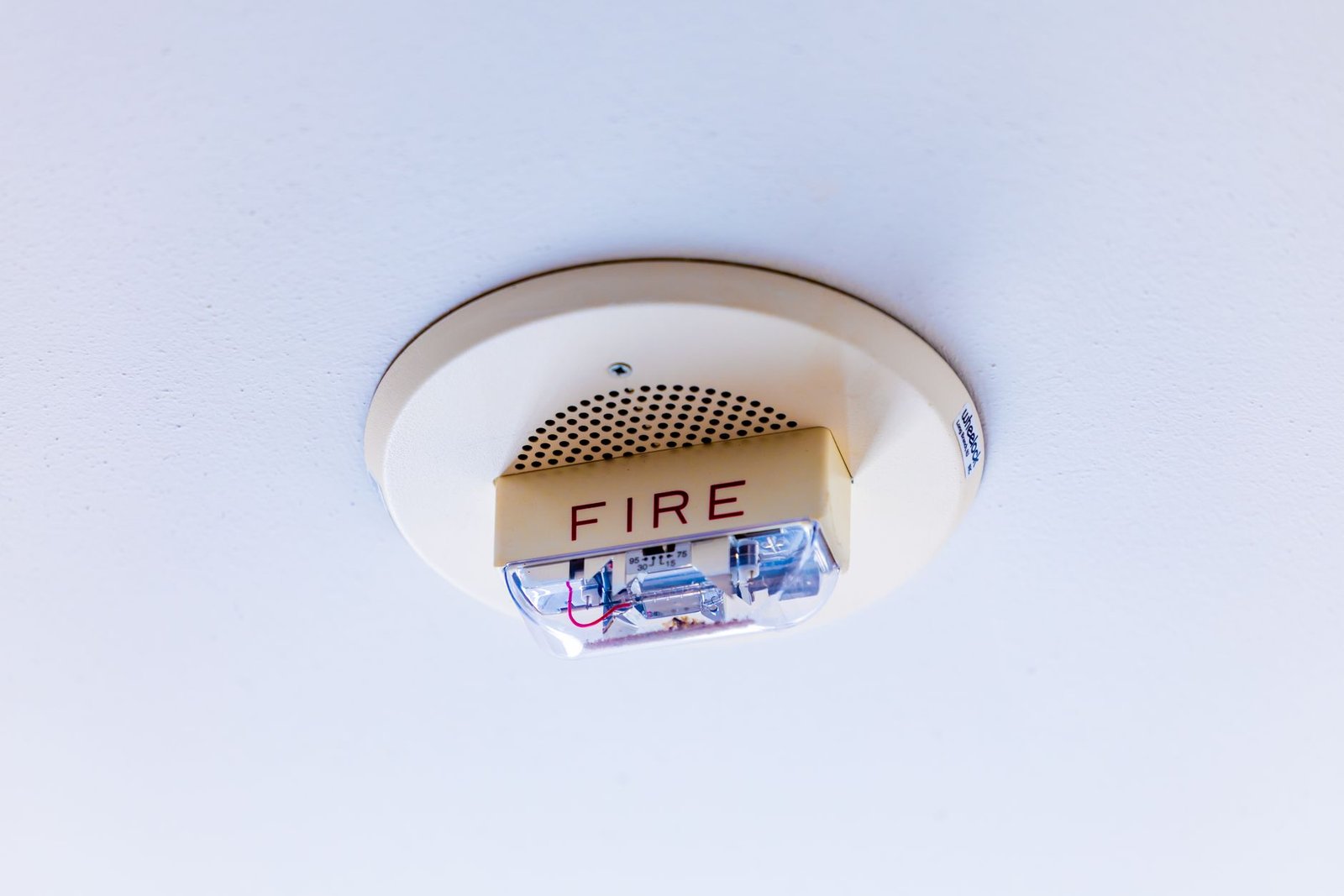
In 2026, the question of whether smart smoke detectors offer superior protection compared to traditional alarms is increasingly relevant for homeowners prioritizing domestic comfort and safety. Smart smoke detectors undeniably provide a more comprehensive and proactive approach to fire and carbon monoxide safety, leveraging advanced connectivity and intelligent features that traditional models cannot match. This enhanced capability translates directly into significantly improved protection, offering residents greater peace of mind through remote monitoring, rapid response facilitation, and integration within the broader smart home ecosystem.
Traditional Smoke Alarms: The Foundation of Home Safety
For decades, traditional smoke alarms have served as the primary line of defense against household fires. These essential devices operate on two main principles: ionization, which detects fast-flaming fires, and photoelectric, which is more sensitive to smoldering fires. Combined units typically incorporate both technologies, alongside carbon monoxide (CO) detection, to provide a basic level of protection. Their fundamental function is straightforward: upon detecting smoke or CO above a specified threshold, an audible siren activates within the immediate vicinity.
Core Functionality and Limitations
The core functionality of traditional alarms is robust within their design parameters, relying on localized detection and an audible alert system. However, in 2026, several limitations have become more pronounced in a world increasingly reliant on instant information and remote management:
- Localized Alerts: Warnings are confined to the immediate area, meaning an alarm sounding in an unoccupied home or at night may not be heard by residents in other parts of a large property, or by anyone off-site.
- Manual Maintenance: Regular manual testing and battery replacement are required, a task that homeowners frequently neglect, leading to non-functional units.
- False Alarms: Traditional alarms are often susceptible to false positives from cooking smoke or steam, leading to residents disabling them, thus compromising safety.
- Lack of Data: No historical data or diagnostic information is available regarding events or unit health.
- No External Communication: These devices cannot alert emergency services or designated contacts automatically.
Smart Smoke Detectors: Elevating 2026 Home Protection
Smart smoke detectors represent a significant evolution in home safety technology, moving beyond simple auditory alerts to offer integrated, intelligent, and proactive protection. Leveraging wireless connectivity standards such as Wi-Fi, Zigbee, Z-Wave, and the increasingly prevalent Matter protocol, these devices seamlessly integrate into modern smart home environments.
Advanced Features and Connectivity
The distinguishing features of smart smoke detectors revolve around their ability to communicate and analyze data, offering a suite of functionalities designed for enhanced safety:
- Remote Notifications: The system sends instant alerts to the homeowner’s smartphone or other designated contacts via push notifications, SMS, or email, regardless of their physical location. This critical feature ensures that residents are aware of potential threats even when away from home.
- Multi-Sensing Technology: Many 2026 smart detectors incorporate advanced multi-sensing capabilities, detecting not only smoke and CO but also elevated temperatures, humidity levels, and even volatile organic compounds (VOCs). This broader detection spectrum allows for earlier identification of various potential hazards.
- AI and Machine Learning Integration: Modern smart detectors utilize onboard AI and machine learning algorithms to differentiate between genuine threats and nuisance alarms. For instance, distinguishing between burnt toast and a nascent fire, significantly reducing false alarm occurrences without compromising sensitivity to real dangers. Edge computing allows for faster, localized processing of these algorithms.
- Predictive Maintenance: Advanced units monitor their own battery life and sensor degradation, proactively notifying the resident when maintenance or replacement is required, eliminating the risk of neglected safety devices.
- Interconnectivity: When one smart detector senses danger, it can wirelessly communicate with all other smart detectors in the network, ensuring simultaneous alerts throughout the property.
Integration with the Smart Home Ecosystem
Perhaps the most transformative aspect of smart smoke detectors is their capacity for integration with other smart home systems. In 2026, this interconnectivity creates a cohesive safety net:
- Smart Lighting: Upon alarm activation, smart lights throughout the home can automatically illuminate, aiding egress and visibility for residents and emergency responders.
- HVAC Systems: Smart detectors can trigger smart thermostats to shut down HVAC systems, preventing the circulation of smoke and fire throughout the property.
- Smart Locks: In some configurations, smart locks can be programmed to automatically unlock doors, facilitating a quicker evacuation.
- Security Systems: Integration with home security systems allows for direct alerts to professional monitoring services, who can then dispatch emergency services directly.
- Voice Assistants: Compatibility with voice assistants enables verbal alerts and control, adding another layer of accessibility for residents.
Cost Analysis and Value Proposition in 2026
When considering the transition from traditional to smart smoke detectors, the financial aspect is a key factor for the homeowner. While the initial investment for smart devices is generally higher, the long-term value proposition extends beyond mere hardware costs.
Initial Investment vs. Long-Term Benefits
Traditional smoke alarms are typically inexpensive, ranging from $15 to $50 per unit. Installation is straightforward, often a DIY task. However, the long-term costs include regular battery replacements (unless wired) and the potential financial and emotional toll of delayed fire detection due to limited features.
Smart smoke detectors, by contrast, carry a higher upfront cost, typically ranging from $75 to $200 per unit, varying by brand and feature set. While this represents a more significant initial outlay, several factors contribute to their enhanced value:
- Extended Battery Life: Many 2026 smart detectors feature sealed 10-year lithium batteries, reducing the frequency and cost of battery replacements over their lifespan.
- Reduced False Alarms: AI-driven detection minimizes nuisance alarms, reducing the likelihood of residents disabling the devices or incurring unnecessary emergency service calls.
- Professional Monitoring Integration: While some services may incur a monthly fee, the ability to automatically alert professional monitoring or emergency services offers unparalleled security and potentially faster response times, mitigating damage.
- DIY Installation: Many smart detectors are designed for easy wireless installation, reducing the need for professional wiring, though integration with complex smart home systems might benefit from expert setup.
ROI on Enhanced Safety and Peace of Mind
The return on investment (ROI) for smart smoke detectors is primarily measured in enhanced safety and the invaluable peace of mind they provide. The capacity for early, verified alerts, even when no one is home, can mean the difference between minor damage and total loss. Furthermore, the proactive nature of predictive maintenance ensures devices are always operational, eliminating the ‘what if’ scenario of a dead battery during an emergency. For the homeowner, this translates into superior protection of property, cherished possessions, and, most critically, human lives.
Industry Trends and Future Outlook for 2026 and Beyond
The trajectory of smart home safety continues to accelerate in 2026, driven by material science advancements and increasingly sophisticated artificial intelligence. These trends are shaping the next generation of protective devices.
Material Innovations and AI Integration
Modern material developments are central to the evolution of smart detectors. Graphene-based sensors are emerging, offering ultra-fast detection capabilities and heightened sensitivity to a broader spectrum of combustion byproducts, enabling even earlier warnings. Self-healing polymer casings enhance durability and resistance to environmental factors, extending device longevity. Miniaturization continues, allowing for less intrusive designs that blend seamlessly with contemporary interior aesthetics.
Artificial intelligence is moving beyond basic smoke differentiation. Edge AI, where processing occurs directly on the device, is becoming standard, reducing latency and ensuring rapid decision-making even without a constant cloud connection. Future systems are being developed with predictive safety algorithms that can analyze historical data and environmental factors to anticipate potential fire risks before a conventional alarm threshold is met.
Predictive Safety and Proactive Measures
The future of smart smoke detection is focused on predictive safety. Imagine systems that learn the unique thermal signatures and air quality patterns of a home, identifying anomalies that could indicate an incipient problem, such as an overheating appliance, before any smoke is produced. Integration with broader smart city infrastructures is also a growing trend, where home safety systems could communicate anonymized data with local emergency services or community alert networks to create a more resilient, responsive safety ecosystem.
Making the Informed Decision
The choice between smart and traditional smoke detectors in 2026 hinges on a homeowner’s priorities, budget, and existing infrastructure. While traditional alarms offer foundational safety, smart detectors provide a layer of protection that is increasingly becoming the standard for comprehensive home security and comfort.
Key Considerations for Homeowners
When evaluating which system is appropriate, several factors should guide the homeowner’s decision:
- Budget: The initial investment for smart systems is higher, but the long-term benefits in safety and potentially reduced damages can outweigh this cost.
- Existing Smart Home Ecosystem: For properties already equipped with smart devices (thermostats, lighting, security cameras), integrating smart smoke detectors provides a synergistic safety net.
- Property Size and Occupancy: Larger homes or properties where residents may not always be within earshot of a localized alarm benefit significantly from remote notification capabilities. Homes that are frequently unoccupied also benefit greatly.
- Resident Needs: Individuals with specific health concerns, mobility limitations, or those who travel frequently will find the proactive alerts and system integration of smart detectors particularly valuable.
- Installation Preference: While many smart detectors offer DIY installation, more complex integrations might require professional assistance.
Conclusion
In 2026, the data overwhelmingly indicates that smart smoke detectors offer substantially better protection than traditional alarms. Their advanced features, including remote notifications, multi-sensing capabilities, AI-driven intelligence, and seamless integration with the broader smart home ecosystem, provide a proactive and comprehensive safety solution. While traditional alarms remain a basic safety measure, the modern homeowner seeking enhanced domestic comfort, security, and peace of mind will find that the investment in smart smoke detection technology provides a superior, future-proof defense against fire and carbon monoxide hazards, safeguarding both property and residents.