
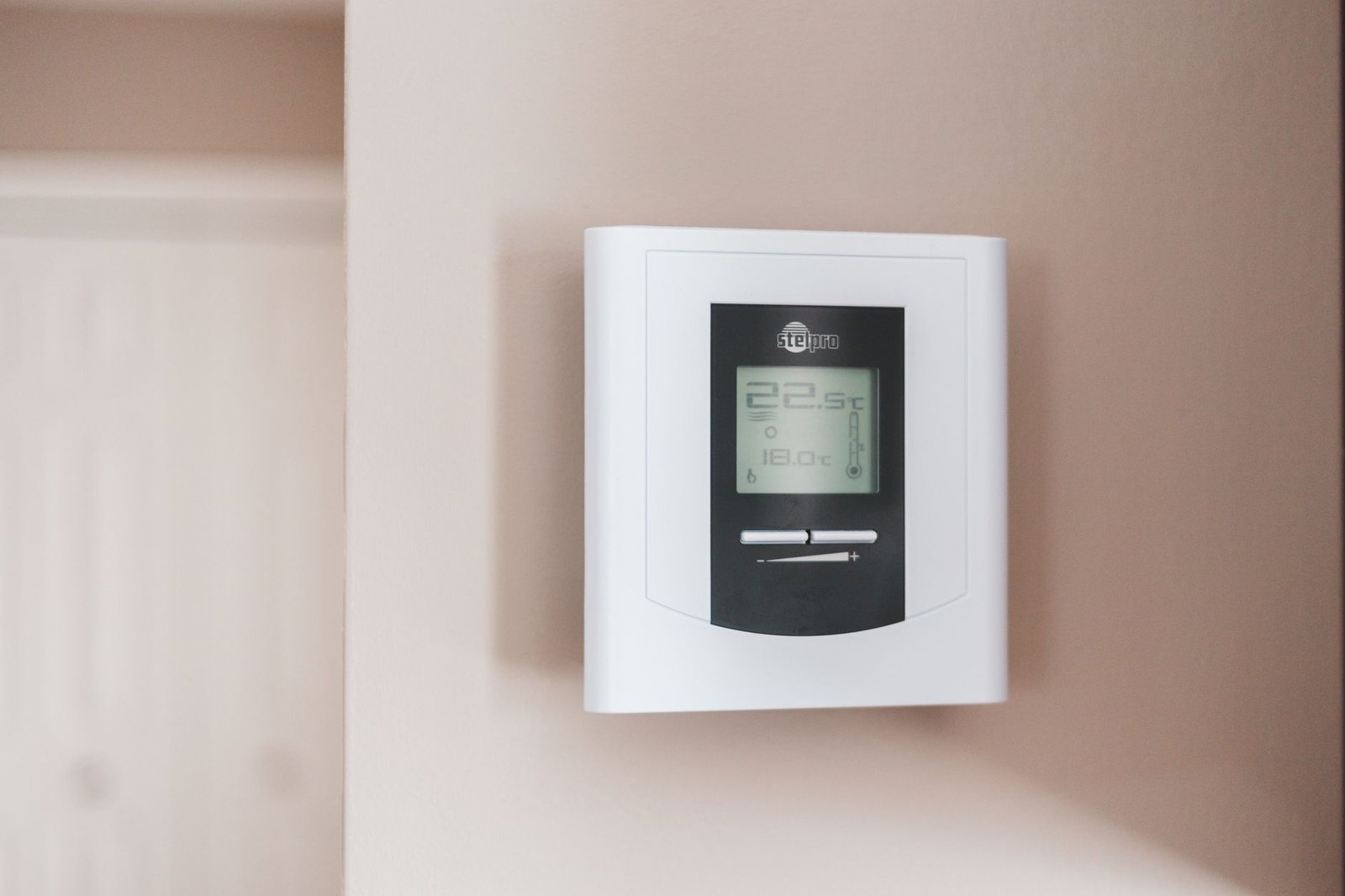
Optimizing indoor climate control in multi-zone homes presents a distinct challenge, demanding intelligent solutions for both comfort and energy efficiency. In 2026, the landscape of smart thermostats has matured significantly, offering advanced capabilities to manage disparate temperature requirements across various areas of a residence. Determining the “best” smart thermostat for a multi-zone home hinges on the specific needs of the property, including HVAC system compatibility, desired level of control granularity, and integration with existing smart home ecosystems.
The Evolving Landscape of Multi-Zone Climate Control in 2026
The year 2026 marks a pivotal era for smart home solutions, with climate control technologies showcasing unprecedented sophistication. Homeowners are increasingly prioritizing holistic environmental management, moving beyond simple temperature regulation to encompass indoor air quality, humidity control, and even predictive maintenance. The integration of advanced AI and machine learning algorithms allows smart thermostats to learn resident preferences with remarkable accuracy, anticipating needs and proactively adjusting settings for optimal comfort and energy conservation.
The Imperative for Zonal Energy Optimization
Multi-zone homes inherently possess varying heating and cooling requirements based on room orientation, usage patterns, and occupancy. A single-zone system often leads to significant energy waste, as unoccupied or less-used areas are heated or cooled unnecessarily. Smart thermostats designed for multi-zone applications address this inefficiency directly by enabling independent control over separate HVAC zones. This granular management facilitates substantial energy savings, aligning with global sustainability goals and homeowner desires for reduced utility expenditures.
AI Integration and Predictive Capabilities
Modern smart thermostats in 2026 leverage sophisticated AI to analyze a multitude of data points: external weather forecasts, seasonal patterns, resident scheduling, and even real-time energy prices. This enables predictive scheduling that goes beyond simple automation, proactively adjusting temperatures before peak demand or anticipated weather changes. Furthermore, the integration with external smart sensors, such as those detecting window and door openings or passive infrared for occupancy, refines temperature management to an exquisite degree, preventing energy wastage from unforeseen environmental shifts. Developments in smart building materials, including advanced aerogel insulation and dynamically tinting electrochromic windows, further enhance the efficacy of these smart systems by reducing thermal load and improving overall building envelope performance.
Top Smart Thermostats for Multi-Zone Environments in 2026
Several leading manufacturers offer compelling solutions for multi-zone climate control. The selection often comes down to specific feature sets, ecosystem preferences, and the complexity of the existing HVAC infrastructure.
Google Nest Thermostat (Advanced Multi-Zone Pro Model)
- Features: The 2026 iteration of the Google Nest Thermostat Pro for multi-zone applications continues its legacy of intuitive, AI-driven learning. It features enhanced occupancy sensing via integrated mmWave radar and passive infrared, providing highly accurate room presence detection. Advanced predictive algorithms can anticipate heating and cooling needs hours in advance, factoring in local weather patterns and user behavior. Integrated air quality sensors provide real-time particulate matter and VOC readings, allowing for automated ventilation control when paired with compatible HVAC systems. Matter and Thread support ensure seamless integration into a diverse smart home ecosystem.
- Compatibility: Broad compatibility with most 24V conventional and heat pump systems. Strongest integration within the Google Home ecosystem, offering robust voice control and automation routines.
- Ease of Use: Renowned for its elegant design and user-friendly interface. The accompanying Google Home app provides comprehensive control and energy reporting, making it accessible for homeowners who prefer a streamlined digital experience.
Ecobee Smart Thermostat Premium (Zonal Edition)
- Features: The Ecobee Smart Thermostat Premium Zonal Edition in 2026 excels with its comprehensive suite of remote sensors, which now incorporate advanced light and motion detection alongside temperature and humidity. These enhanced sensors allow for hyper-localized temperature averaging, prioritizing comfort in occupied rooms. The system offers integrated indoor air quality monitoring for CO2, VOCs, and humidity, with proactive alerts and automated fan control. Its open API strategy ensures broad integration possibilities. Native HomeKit, Alexa, and Google Assistant support are standard, along with full Matter and Thread compatibility.
- Compatibility: Wide compatibility with HVAC systems, including humidifier, dehumidifier, and ventilator accessories. Excellent for residents invested in the Apple HomeKit ecosystem, while also supporting other major platforms.
- Ease of Use: The touchscreen interface is highly customizable, and the Ecobee app provides detailed insights into energy usage and sensor data. Installation is generally straightforward for those with basic wiring knowledge.
Honeywell Home T10 Pro Smart Thermostat with RedLINK (Enhanced Multi-Zone System)
- Features: The 2026 Honeywell Home T10 Pro with an enhanced RedLINK multi-zone system is particularly appealing for larger or more complex HVAC setups. Its strength lies in professional-grade reliability and extensive support for various accessories and zoning panels. The RedLINK technology provides a robust wireless communication network, ensuring stable connectivity for multiple remote sensors and zone dampers without reliance on Wi-Fi for critical communication. Advanced features include robust humidity control, outdoor sensor integration for precise temperature anticipation, and comprehensive diagnostic capabilities, making it a favorite for HVAC professionals. Native Matter and Thread integration are provided via a compatible gateway.
- Compatibility: Unparalleled compatibility with traditional and proprietary multi-zone HVAC systems, often installed by certified professionals. Ideal for homeowners seeking a robust, reliable system with extensive support for complex configurations.
- Ease of Use: While the initial setup might benefit from professional assistance for complex systems, daily operation through the Honeywell Home app is intuitive. The system emphasizes reliability and precision over purely AI-driven aesthetics.
Emerging Innovators: The Rise of Modular and Self-Learning Systems
Beyond the established giants, the market in 2026 also sees the emergence of highly modular and self-optimizing solutions. These systems often feature a network of wireless, battery-powered room sensors and smart vents that communicate directly with a central hub, creating a dynamic mesh network. Such systems specialize in granular, room-by-room climate control, allowing for precise temperature settings in every occupied space. Their self-learning algorithms continuously refine airflow and temperature distribution based on occupancy, external factors, and resident feedback, often leveraging advanced materials in their vent design for silent, efficient operation. Compatibility with new smart home standards like Matter and Thread is paramount for these innovators, ensuring future-proof integration.
Key Considerations for Selecting a Multi-Zone Smart Thermostat
The optimal choice for a multi-zone smart thermostat involves a careful evaluation of several critical factors.
HVAC System Compatibility
The foremost consideration is ensuring the chosen thermostat is fully compatible with the existing multi-zone HVAC system. This includes verifying wiring requirements (e.g., C-wire presence), the number of stages for heating and cooling, and compatibility with proprietary zoning panels or dampers. Consultation with an HVAC professional is often recommended for complex setups.
Ecosystem Integration
Seamless integration with a resident’s preferred smart home ecosystem (e.g., Apple HomeKit, Google Home, Amazon Alexa) is vital for a cohesive smart living experience. The widespread adoption of the Matter and Thread protocols in 2026 significantly simplifies this, offering improved interoperability across different brands and platforms. Homeowners should verify that their chosen thermostat supports these modern standards.
Zonal Control Granularity
The extent to which the thermostat system allows for individual zone or even room-level control is a crucial differentiator. Systems with multiple remote sensors and smart vent integration offer the highest level of granularity, allowing for truly personalized climate zones throughout the home.
Energy Reporting and Optimization Features
Detailed energy usage reports, comparative analytics, and participation in demand response programs offered by local utilities can lead to significant savings. Advanced thermostats provide actionable insights and automated adjustments to optimize energy consumption without sacrificing comfort.
Installation and User Interface
Some smart thermostats are designed for DIY installation, while others, particularly those for more complex multi-zone systems, benefit from professional setup. An intuitive mobile application and clear on-device interface are essential for easy management and a positive resident experience.
Data Privacy and Security
With smart devices collecting increasing amounts of personal data, the privacy policies and security features of the chosen thermostat manufacturer are paramount. Residents should ensure that data encryption, secure cloud storage, and transparent data usage policies are in place.
Ultimately, selecting the best smart thermostat for a multi-zone home in 2026 is a personalized decision. It involves balancing advanced features, robust compatibility, and ease of use to achieve optimal comfort and maximize energy efficiency for the resident. By carefully evaluating the options presented, homeowners can implement a climate control system that truly enhances their living environment.