
When a small backyard feels more like a confined space than an expansive oasis, it presents a common challenge for homeowners. Fortunately, even the most compact outdoor areas can be transformed into functional, visually larger, and more inviting living environments. By leveraging strategic design principles, innovative materials, and cutting-edge horticulture trends of 2026, it is entirely possible to make a small backyard feel significantly more spacious and versatile. This article explores seven intelligent landscaping hacks designed to achieve just that, ensuring every square foot is utilized to its maximum potential.
The Illusion of Grandeur: Maximizing Visual Space
Creating the perception of a larger area is fundamental when dealing with limited dimensions. Employing visual tricks can dramatically expand the perceived boundaries of a small backyard, inviting the eye to explore rather than feel enclosed.
1. Vertical Gardening & Green Walls
Vertical gardening is an indispensable strategy for small spaces, drawing the gaze upwards and adding significant greenery without consuming valuable ground area. In 2026, modular living wall systems with integrated smart irrigation and nutrient delivery are commonplace, making maintenance effortless. These systems often utilize sustainable substrates and recycled composite materials for their panels. Native plant selections, chosen for their biodiversity support and drought tolerance, are increasingly favored, turning a blank wall into a vibrant ecosystem. The homeowner can select systems that allow for diverse plant palettes, including herbs, small edibles, and ornamental foliage, maximizing both aesthetic appeal and functionality.
2. Strategic Hardscaping & Paving
The choice and pattern of hardscaping materials significantly influence how expansive a space feels. Large format pavers minimize grout lines, creating a less fragmented and more continuous surface that optically stretches the area. Laying pavers or decking in a diagonal pattern rather than parallel to the property lines can also trick the eye, making the space appear wider. For 2026, permeable hardscaping solutions made from recycled aggregates or bio-resin composites are trending, offering superior drainage and reducing stormwater runoff, aligning with ecological landscaping principles. Integrated low-profile LED strips within the paving provide subtle evening illumination without cluttering the ground.
3. Mirror & Reflective Surfaces
Strategically placed mirrors can work wonders in small backyards, reflecting light and views to create an illusion of depth and extend sightlines. A weather-resistant outdoor mirror, ideally framed or partially obscured by foliage, can mimic a doorway or window into an adjacent garden, effectively doubling the perceived size. Modern options include tempered or acrylic mirrors with anti-glare coatings and integrated subtle backlighting. The resident can experiment with placement to reflect a particularly attractive feature, such as a vertical garden or a specimen tree, amplifying its visual impact.
Functional Design: Enhancing Utility in Compact Spaces
Beyond visual expansion, optimizing the functionality of a small backyard ensures it serves multiple purposes without feeling cluttered. Smart design integrates utility seamlessly with aesthetics.
4. Multi-functional Furniture & Built-ins
Every element in a small space should ideally serve more than one purpose. Built-in benches with integrated storage are excellent for seating and tidying away garden tools or cushions. Modular outdoor furniture allows for flexible arrangements, adapting to different activities from intimate gatherings to solo relaxation. Trends in 2026 include lightweight, durable outdoor furniture crafted from recycled plastics or aluminum with weather-resistant, UV-stable fabrics. Some pieces now feature integrated solar-powered charging ports for devices or discreet LED lighting, enhancing convenience for the user.
5. Layered Lighting Design
Thoughtful lighting can dramatically transform a small backyard after dusk, extending its usability and creating different moods. Instead of a single overhead light, a layered approach using ambient, task, and accent lighting is recommended. Ambient lighting can come from discreet path lights or string lights; task lighting from focused spotlights on a grilling area; and accent lighting from uplights on architectural features or specimen plants. Smart lighting systems, controllable via smartphone apps, are standard in 2026, allowing the homeowner to adjust brightness, color, and timers. Solar-powered, low-voltage LED options offer energy efficiency and easy installation.
6. Defined Zones with Subtle Transitions
Even in a small backyard, creating distinct zones for dining, lounging, or a quiet retreat can make the space feel more organized and functional. Instead of rigid dividers, subtle transitions are key. This can be achieved through changes in surface material (e.g., small patio leading to a gravel seating area), different planting schemes, or low-profile edging. Recycled composite decking, permeable resin-bound pathways, and corten steel edging are popular choices for delineating areas in 2026, offering durability and contemporary aesthetics. A change in elevation, even a single step, can also create a clear boundary without physical obstruction, enhancing the sense of multiple ‘rooms’ outdoors.
Horticultural Ingenuity: Plant Selection for Scale
The plants chosen for a small backyard are critical. The right selections can enhance scale, add beauty, and contribute to the overall ambiance without overwhelming the space.
7. Thoughtful Plant Choices & Container Gardening
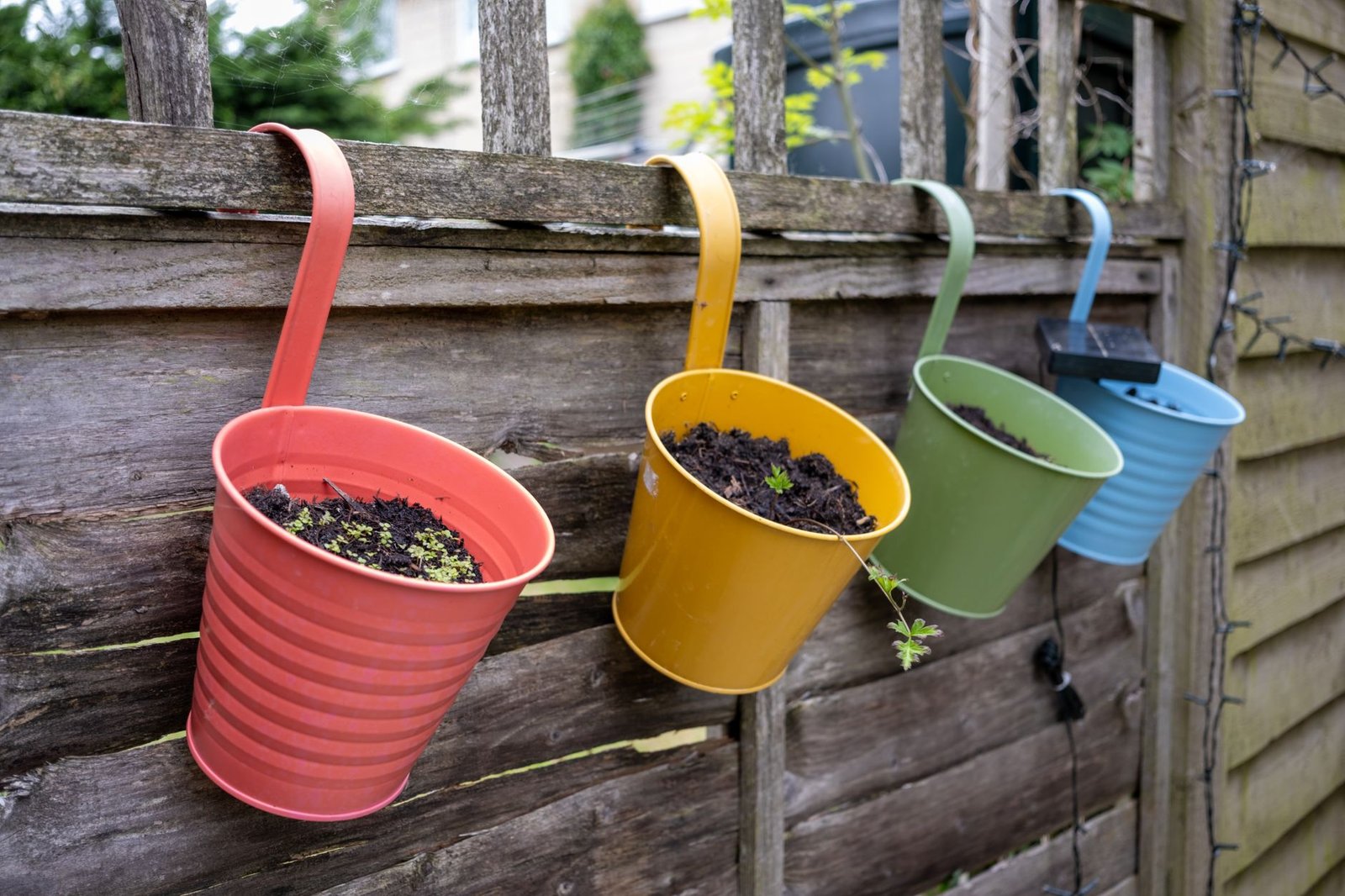
Plant selection plays a pivotal role in shaping the perception of space. Opt for plants with an upright growth habit rather than spreading ones, and choose varieties with finer textures that add depth without bulk. Dwarf cultivars of trees and shrubs are ideal, providing structure and height without outgrowing their confines. Strategic use of color, with cooler tones receding and warmer tones advancing, can also manipulate perception. Container gardening remains a cornerstone for small spaces in 2026, allowing for flexibility and seasonal updates. Self-watering planters made from bioplastic composites or recycled materials are widely available, reducing maintenance. Furthermore, the trend towards incorporating edible landscaping, even in small pots, is strong, offering both beauty and harvestable produce to the resident.
Transforming a small backyard from cramped to captivating is an achievable goal for any homeowner. By implementing these seven smart landscaping hacks, leveraging the material innovations and design philosophies of 2026, a truly expansive, functional, and aesthetically pleasing outdoor environment can be cultivated. The focus on verticality, strategic hardscaping, reflective elements, multi-functional features, layered lighting, zonal definitions, and intelligent plant choices ensures that every compact space can become a personal haven, defying its actual dimensions and elevating the domestic comfort of the resident.