
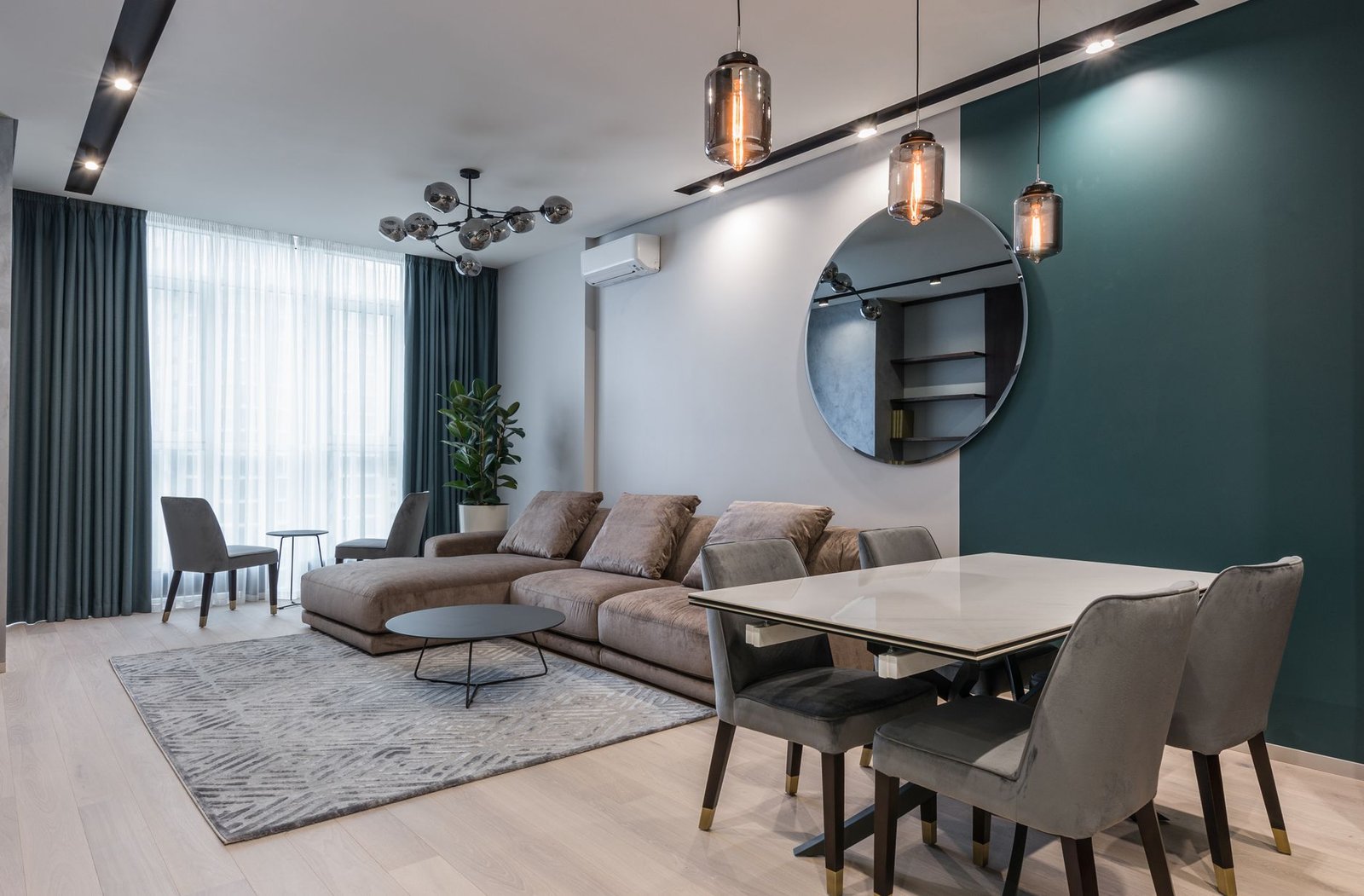
What Size Area Rug Is Best for a Small Living Room in 2026?
Selecting the optimal area rug size for a small living room in 2026 hinges on creating visual harmony and ensuring functional flow. For most small living spaces, common rug dimensions such as 5×7 feet or 6×9 feet often serve as ideal starting points, though the exact dimensions depend significantly on the furniture arrangement and the room’s overall footprint. The objective is to define the seating area effectively without overwhelming the room or making it appear smaller than its actual dimensions.
In the evolving landscape of home interior design for 2026, understanding how to maximize space perception through strategic rug placement is paramount. This guide provides homeowners with actionable insights into choosing the correct area rug size, detailing visual balance principles, and outlining common layout mistakes to avoid, all while incorporating current industry trends and material developments.
Understanding Small Living Room Dynamics
The Illusion of Space
For a small living room, the rug acts as a crucial anchor, capable of either expanding or contracting the perceived space. A correctly sized rug grounds the furniture, creating a cohesive zone that suggests intentional design rather than random placement. Conversely, an undersized rug can make furniture appear to float aimlessly, breaking the visual flow and making the room feel disjointed and even smaller.
In 2026, design principles continue to emphasize functionality fused with aesthetics. For small spaces, this means every element must serve a purpose beyond mere decoration, contributing to an expansive feel. The area rug is a key component in achieving this effect, guiding the eye and establishing boundaries without physical barriers.
Defining the Seating Zone
The primary function of an area rug in a small living room is to define the main seating area. This creates a distinct zone for conversation and relaxation, even within a limited floor plan. The rug should be large enough to encompass at least the front legs of all primary seating furniture, such as sofas and armchairs. This approach visually connects the pieces, signaling that they belong together and form a unified space.
Considering the evolving design philosophies of 2026, which prioritize comfort and intelligent spatial organization, the rug’s role in creating these defined comfort zones is more critical than ever. It’s about crafting an inviting nucleus within the room.
Optimal Rug Sizing Strategies for 2026
The 5×7 Foot Rule
For many compact living rooms, a 5×7 foot area rug is frequently the best choice. This size is typically adequate to place the front legs of a standard two-seater sofa and two armchairs on the rug, or to accommodate a smaller sectional. It provides enough coverage to define the seating arrangement without touching the walls, which is a common mistake that can make a small room feel crowded.
- Sofa Placement: Ensure the front two legs of the sofa rest comfortably on the rug.
- Armchair Inclusion: The front legs of accompanying armchairs should also be on the rug.
- Coffee Table: The entire coffee table should sit on the rug, ideally with space around it.
The 6×9 Foot Alternative
Should the small living room accommodate slightly larger furniture or require a more expansive definition of the seating area, a 6×9 foot rug can be an excellent alternative. This size offers increased flexibility, allowing for more of the furniture to sit on the rug, or accommodating a larger L-shaped sectional where the front legs of both sections can rest comfortably on the rug.
When considering a 6×9 foot rug in 2026, homeowners should ensure that at least 6 to 12 inches of bare floor are visible between the rug’s edge and the walls. This critical gap prevents the rug from appearing like wall-to-wall carpeting, preserving the sense of open space.
Accounting for Traffic Flow
Beyond furniture placement, the rug size must also consider foot traffic patterns. The rug should not impede natural pathways through the room. It should define the central gathering spot without encroaching upon necessary walkways. A well-chosen rug directs flow and enhances navigability, a key consideration in 2026’s emphasis on user experience within domestic spaces.
Common Layout Mistakes to Avoid
The ‘Floating Rug’ Syndrome
One of the most pervasive mistakes in small living room rug selection is choosing a rug that is too small. A rug where no furniture legs are on it, or only the back legs of seating pieces are on it, creates a