
Small kitchens often present unique organizational challenges, yet in 2026, innovative solutions empower residents to transform even the most compact pantries into highly efficient and functional storage hubs. This article details seven genius ideas, leveraging modern materials and smart design, to maximize capacity and accessibility within small kitchen spaces, ensuring every item has its dedicated place.
Maximizing Verticality and Smart Storage
For limited footprints, the effective utilization of vertical space and the implementation of clever storage solutions are paramount. These strategies turn underutilized areas into productive storage zones.
Modular Smart Shelving Systems
In 2026, the evolution of modular shelving offers unprecedented adaptability for small pantries. Systems crafted from ultra-lightweight carbon fiber composites or recycled aluminum alloys provide robust support without adding bulk. These shelves are fully adjustable, allowing the homeowner to customize heights to accommodate varying item sizes, from tall cereal boxes to short condiment jars. Some advanced iterations include integrated, sensor-activated LED strips that illuminate when the pantry door opens, greatly improving visibility and reducing search time. Vertical space is paramount, and these systems ensure no cubic inch is wasted. The interlocking design also allows for easy expansion or reconfiguration as storage needs evolve.
Dynamic Door Organizers
The inside of a pantry door represents prime real estate often overlooked. Dynamic door organizers for 2026 go beyond simple racks, featuring multi-tiered, pull-out systems or customizable pegboard panels made from durable, food-grade bioplastics. These systems can hold spices, small jars, wraps, and even cleaning supplies. Certain models incorporate soft-close mechanisms and adjustable baskets, preventing items from shifting or falling when the door is opened or closed. Every inch of door space yields significant storage potential, transforming a formerly blank canvas into a highly functional organizational tool.
Transparent, Stackable Airtight Containers
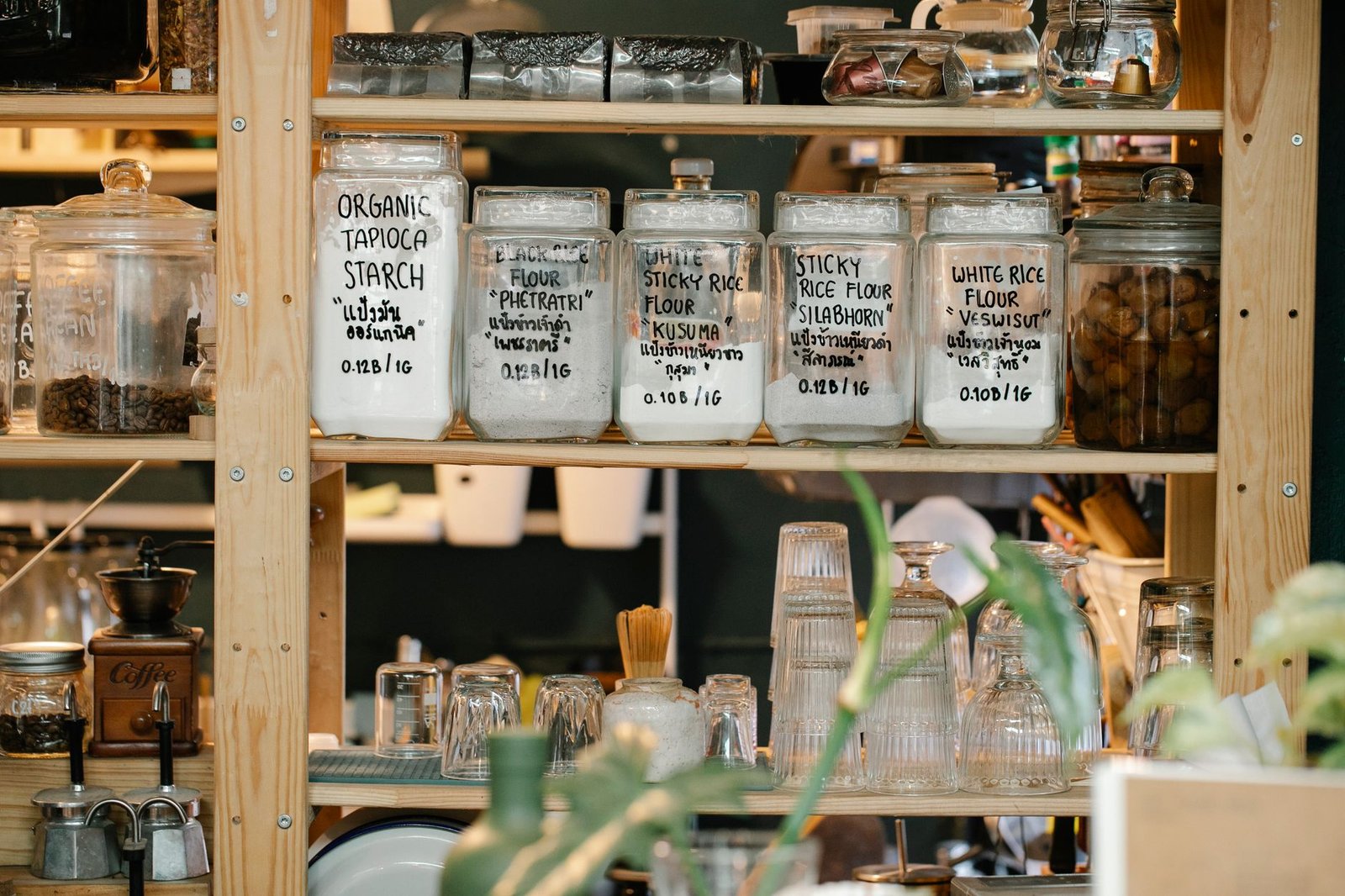
Clarity and modularity are key for small pantry efficiency. Modern containers, crafted from advanced borosilicate glass or BPA-free Tritan co-polyester, offer superior transparency, allowing immediate identification of contents. Their stackable designs ensure efficient use of vertical space on shelves, while airtight seals prolong the freshness of dry goods. In 2026, some of these containers integrate subtle RFID tags or QR codes, enabling integration with digital inventory systems for seamless stock management. Visibility reduces waste and improves efficiency, allowing the resident to quickly assess needs before grocery shopping.
Leveraging Modern Technology and Materials
The convergence of smart home technology and sustainable material science brings cutting-edge solutions to pantry organization.
Sensor-Activated Drawer Dividers
For deeper pantry drawers or pull-out shelves, sensor-activated dividers represent a significant leap in organization. Utilizing piezoelectric sensors, these dividers can subtly adjust their positions to optimize space based on the size and shape of items placed within. This technology is particularly beneficial for small, irregularly shaped items that often create clutter. Materials like sustainable bamboo composites or advanced acrylics ensure durability and a sleek aesthetic. Automated adaptability is key for dynamic storage, preventing items from rolling around and maximizing every square inch of drawer space.
Biopolymer Pull-Out Bins
Sustainability is a core focus in 2026, and biopolymer pull-out bins offer an eco-conscious yet highly functional storage solution. Derived from renewable resources like corn-starch or sugarcane, these bins are lightweight, durable, and often compostable at the end of their lifespan. Designed with smooth-gliding mechanisms and integrated handles, they allow easy access to items stored at the back of shelves. Various sizes facilitate categorization by food type, such as baking supplies, snacks, or grains. Sustainability meets functionality, offering an environmentally responsible choice without compromising on organizational efficacy.
Integrated Voice-Command Inventory Systems
The smart home extends into the pantry with integrated voice-command inventory systems. By utilizing smart labels, weight sensors on shelves, or even miniature cameras with object recognition, these systems track pantry contents in real-time. Connected to a central smart home hub, residents can simply use voice commands to check stock levels, identify expiration dates, or even receive recipe suggestions based on available ingredients. This level of digital intelligence significantly streamlines pantry management, reducing food waste and optimizing grocery runs. Digital intelligence streamlines pantry management, offering an unprecedented level of control and convenience.
Creating Order Through Thoughtful Design
Beyond containers and technology, intentional design principles elevate pantry organization.
Zone-Based Categorization with Digital Labeling
A fundamental principle for any small pantry is zone-based categorization, but in 2026, this is enhanced by digital labeling. Items are grouped logically (e.g., breakfast items, baking essentials, snacks, canned goods, fresh produce). Each zone is then identified with smart labels that can be updated via a mobile application. These labels can display expiry dates, quantity, or even link to recipes via QR codes. This systematic approach ensures that every item has a designated home, making both retrieval and restocking effortless. Logical organization enhances daily kitchen flow, transforming a chaotic space into a picture of order and efficiency.
By integrating these seven genius pantry organization ideas, the homeowner can transcend the limitations of a small kitchen. These 2026-era strategies, encompassing smart technology, sustainable materials, and thoughtful design, empower the resident to create a pantry that is not only impeccably organized but also highly responsive to daily culinary needs, fostering a more comfortable and efficient home environment.