
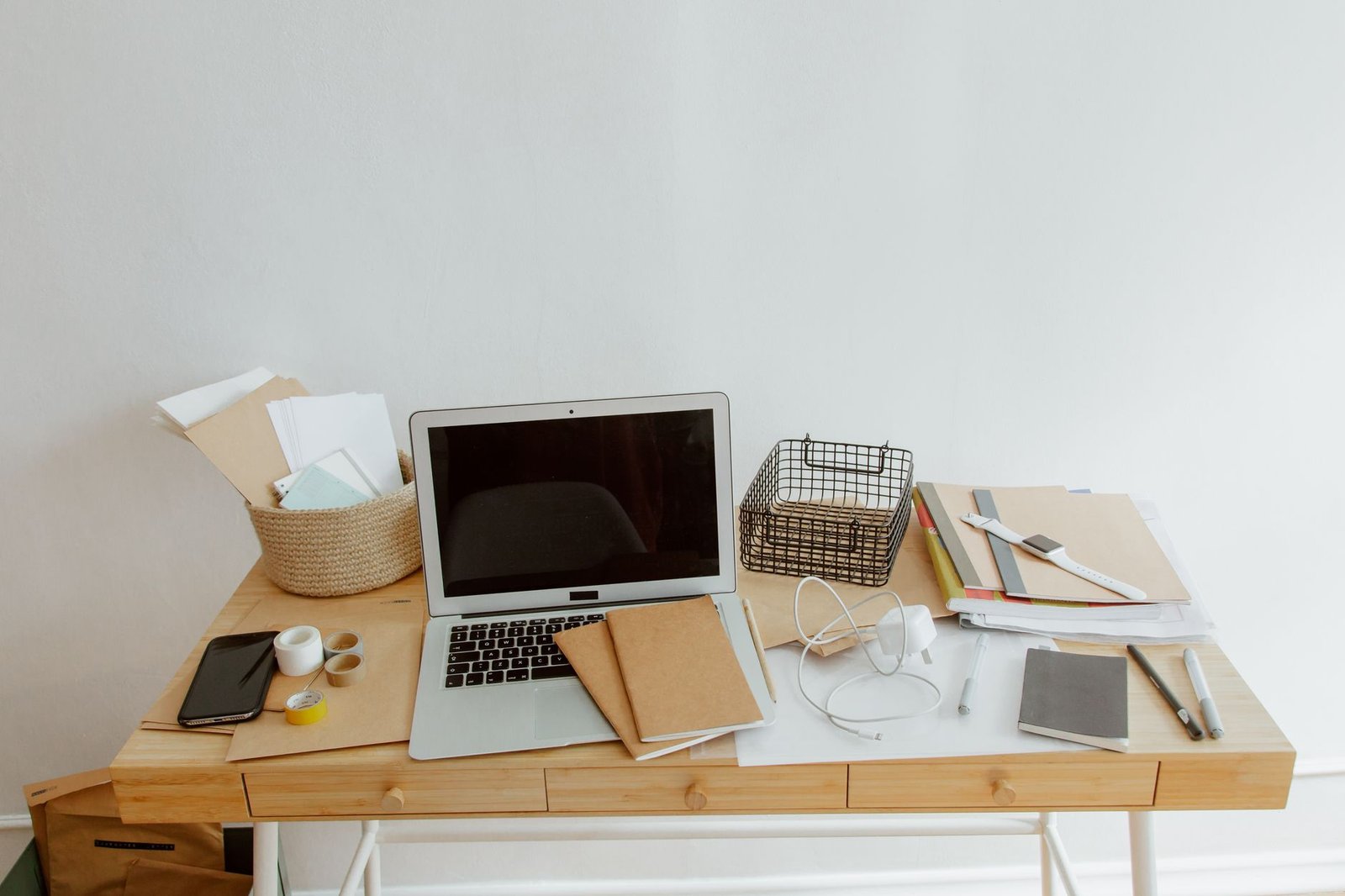
An organized home office is not merely an aesthetic choice; it is a direct catalyst for enhanced productivity, reduced stress, and improved workflow. For many, a cluttered desk can be a significant source of frustration, hindering concentration and making task completion more challenging. This article presents five actionable solutions designed to transform a chaotic workspace into a streamlined, productive haven, incorporating leading industry trends and material innovations pertinent to 2026. By implementing these strategies, the resident can reclaim focus and optimize their professional environment.
1. Streamlined Digital Organization and Cable Management
Embracing Cloud-First Workflows
The proliferation of digital tools continues to reduce the necessity for physical paper, making digital decluttering a cornerstone of modern office organization. Adopting a cloud-first approach minimizes reliance on physical documents, thereby freeing up desk space. Services leveraging artificial intelligence for automated file sorting and intelligent document tagging are becoming standard, ensuring that digital assets are as accessible and organized as physical ones once were. This approach not only streamlines information retrieval but also significantly reduces the need for bulky filing cabinets.
Advanced Cable Solutions for a Wireless Aesthetic
Visible cables are a notorious source of visual clutter. The year 2026 sees continued advancements in discrete and integrated cable management. Solutions range from sophisticated under-desk cable trays crafted from recycled PET felt and lightweight aluminum, to magnetic cable clips that neatly secure power cords along desk legs. Furthermore, smart desks are increasingly incorporating built-in wireless charging pads and discreet power hubs, allowing for seamless device charging and eliminating trailing wires. Material innovations in these products prioritize durability and sustainability, often utilizing bio-plastics and responsibly sourced composites.
2. Ergonomic & Modular Storage Solutions for 2026
Vertical Integration and Wall-Mounted Systems
Maximizing vertical space is a fundamental principle for effective home office organization. Wall-mounted shelving, reimagined pegboard systems, and sleek floating shelves offer prime real estate for essential items without encroaching on desk surface area. Contemporary designs often feature modular components that can be reconfigured as needs evolve. Integrated biophilic elements, such as small planters designed to fit within shelving units, are a growing trend, enhancing the visual appeal and promoting a sense of well-being. Materials like sustainably harvested bamboo, recycled aluminum, and innovative high-pressure laminates offer robust and aesthetically pleasing options.
Smart Drawers and Compartmentalized Organizers
Within desk drawers, chaos can quickly reign without proper containment. The use of precisely fitted drawer dividers and modular trays is essential for compartmentalizing office supplies. Innovations include sensor-enabled drawer organizers that can illuminate upon opening or even connect to inventory management systems to remind the homeowner of low stock. These internal solutions maintain order for smaller items, from writing instruments to charging adapters. Sustainable materials such as cork, compressed wood fiber, and compostable bio-plastics are prevalent in these internal organizing systems, reflecting a commitment to environmental responsibility.
3. The Power of Purging and Mindful Material Selection
The ‘One In, One Out’ Principle for Desk Items
A proactive approach to decluttering is paramount. The ‘one in, one out’ principle encourages the resident to remove an existing item for every new item introduced to the workspace. This method prevents accumulation and ensures that only truly essential tools and supplies occupy the desk. Regular, short decluttering sessions – perhaps weekly or bi-weekly – help maintain this equilibrium, preventing clutter from becoming overwhelming. This fosters an environment of essentialism, where every item serves a clear purpose.
Curated Accessories and Sustainable Choices
Beyond functional organization, the aesthetic quality of desk accessories contributes to a calm and focused environment. Opting for multi-functional items, such as a pen holder that doubles as a phone stand, reduces the overall number of objects. The material composition of these accessories is increasingly important in 2026. Recommendations include desktop organizers crafted from recycled aluminum, pens made from ocean-bound plastics, and notebooks featuring covers made from upcycled fabric or agricultural waste. Selecting items that align with a cohesive design palette also minimizes visual noise, creating a more harmonious workspace.
4. Integrating Smart Technology for Enhanced Order
Voice-Activated Assistants and Smart Lighting
Smart technology extends beyond connectivity to actively support desk organization. Voice-activated assistants, seamlessly integrated into the home office ecosystem, can manage schedules, set reminders, and dictate quick notes, thereby reducing the need for physical sticky notes and planners. Smart lighting systems, which adjust color temperature and brightness throughout the day to support circadian rhythms, contribute to focus and well-being while eliminating the need for multiple desktop lamps. These systems can be programmed for task-specific lighting, further streamlining the environment.
Digital Notepads and Paperless Tools
The shift towards paperless operations is gaining further traction. Advanced e-ink tablets and interactive digital whiteboards offer a robust alternative to traditional notebooks and whiteboards. These devices allow for handwriting, sketching, and annotation, with easy digital storage and sharing capabilities. For those who still prefer a tactile writing experience, reusable smart notebooks that can be scanned and wiped clean offer a hybrid solution. Embracing these tools significantly reduces the volume of paper clutter and simplifies archival processes for the individual.
5. Designing for Focus: Zoned Spaces and Biophilic Elements
Creating Designated Zones Within the Home Office
Even within a single room, creating distinct zones can significantly improve focus and organization. A dedicated “work zone” for the primary task, a “storage zone” for supplies, and perhaps a small “break zone” for short pauses can help compartmentalize activities. Visual cues, such as a different rug, a small partition, or strategic placement of furniture, can define these boundaries without requiring physical walls. This intentional spatial planning reduces mental clutter and reinforces efficient work habits for the individual.
Biophilic Design for Calm and Clarity
Incorporating elements of nature, known as biophilic design, profoundly impacts mental clarity and reduces stress. Introducing living plants not only improves indoor air quality but also adds a calming visual presence. Optimal placement near the desk or within vertical shelving systems can enhance the workspace’s aesthetic and functional value. Materials such as natural wood, stone, and woven textiles for desk accessories or acoustic panels further integrate natural textures. This mindful integration of the natural world contributes to a more restorative and productive environment for the homeowner.
Transforming a cluttered home office into a highly productive space is an achievable goal through strategic implementation of these five solutions. From embracing advanced digital organization and innovative cable management to leveraging modular storage, practicing mindful purging, integrating smart technologies, and applying biophilic design principles, each step contributes to a more efficient and inspiring work environment. The cumulative effect is a workspace that supports deep focus, streamlines workflows, and ultimately enhances the professional output of the resident. Maintaining an organized desk is an ongoing process, but the rewards in terms of clarity and productivity are substantial.