
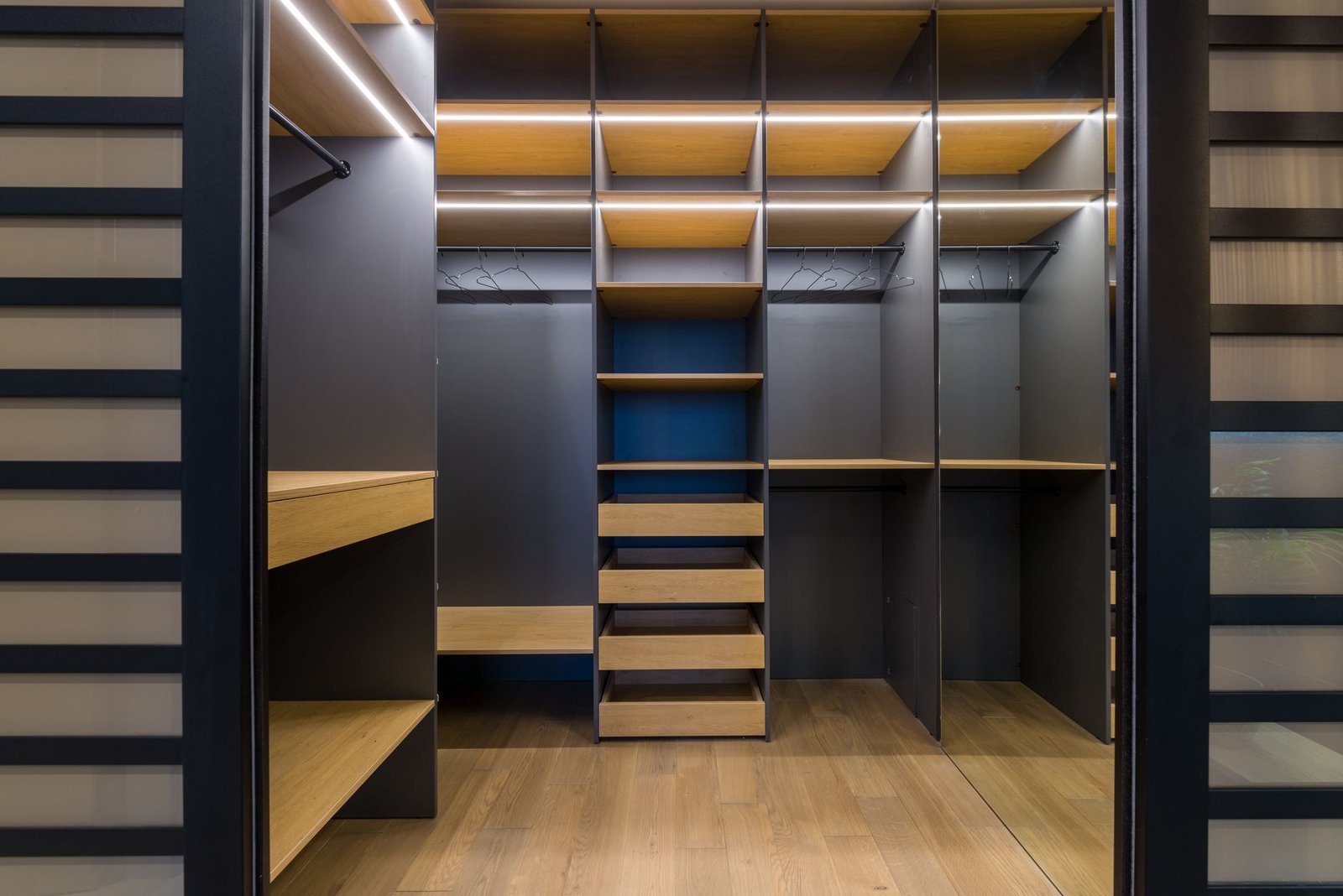
For homeowners planning built-in storage in 2026, the question of material durability often centers on plywood versus MDF. While both offer distinct advantages, plywood generally offers superior longevity and structural resilience, especially in environments prone to moisture or heavy loads. However, MDF presents a compelling alternative for specific applications, particularly when a smooth, painted finish is paramount and cost is a primary consideration for the project’s budget.
Understanding the nuanced characteristics of each material is crucial for making an informed decision that aligns with project goals, aesthetic preferences, and long-term performance expectations. This analysis delves into the durability, cost, and aesthetic qualities of both plywood and MDF, considering modern material developments and industry trends relevant to 2026 custom built-in projects.
Understanding the Materials: Plywood and MDF in 2026
The construction industry continually evolves, and by 2026, both plywood and MDF have seen significant advancements in manufacturing, sustainability, and specialized formulations. Recognizing these developments is key to selecting the optimal material for custom built-ins.
Plywood: Construction and Attributes
Plywood is an engineered wood product made from thin sheets or "plies" of wood veneer, cross-laminated and bonded together with adhesives under heat and pressure. The alternating grain direction of each ply provides exceptional strength and stability, resisting warping, shrinking, and splitting.
- Variety and Grades: 2026 offers a broad spectrum of plywood, including softwood (e.g., pine, fir) for structural applications, hardwood (e.g., birch, maple, oak) ideal for visible cabinetry, and marine-grade options for high-humidity environments. Advancements in "Baltic birch" and "appleply" continue to make them premium choices for exposed edges due to their void-free core.
- Moisture Resistance: While not impervious, plywood generally handles incidental moisture better than MDF. Modern exterior-grade and marine-grade plywood utilize waterproof glues (e.g., WBP – weather and boil proof), and even interior grades have improved resilience compared to previous decades.
- Sustainability: The availability of FSC-certified (Forest Stewardship Council) plywood has expanded significantly by 2026, appealing to environmentally conscious homeowners. Furthermore, many manufacturers now use NAUF (No Added Urea Formaldehyde) adhesives, improving indoor air quality.
MDF: Composition and Characteristics
Medium-Density Fiberboard (MDF) is also an engineered wood product, created by breaking down hardwood and softwood residuals into wood fibers, combining them with wax and a resin binder, and forming panels by applying high temperature and pressure.
- Homogeneous Structure: MDF’s uniform density and lack of grain make it an excellent substrate for painting and machining. It cuts smoothly without splintering, allowing for intricate designs, profiles, and routing often desired in modern built-ins.
- Moisture-Resistant MDF (MR-MDF): By 2026, MR-MDF is a more common and improved option, incorporating specialized resins to reduce water absorption and swelling. While not waterproof, it performs significantly better than standard MDF in areas with fluctuating humidity, such as bathrooms or laundry rooms.
- Low-VOC Options: The industry standard for MDF now includes Ultra-Low Emitting Formaldehyde (ULEF) and No-Added Formaldehyde (NAF) products, addressing historical concerns about VOCs (Volatile Organic Compounds) and ensuring healthier indoor environments.
Durability and Longevity: A Critical Comparison
When assessing which material lasts longer for home storage, several factors contribute to overall durability, including structural integrity, moisture resistance, and resistance to wear and tear.
Structural Integrity and Weight Bearing
- Plywood: Thanks to its cross-laminated construction, plywood exhibits superior inherent strength and stiffness. It holds screws firmly, even near edges, and maintains its structural integrity under heavy loads, making it ideal for long shelves, deep cabinets, and situations where substantial weight will be stored. Its resistance to sagging over time is a significant advantage for longevity.
- MDF: While dense, MDF lacks the inherent fiber strength of plywood. It can sag under heavy loads if not properly supported, and screws can strip more easily, especially if over-tightened or if fasteners are moved. For built-ins intended for heavy books, dishware, or media equipment, reinforcement or shorter spans are often necessary, potentially impacting overall longevity if these precautions are not taken.
Moisture Resistance and Environmental Factors
- Plywood: Generally, plywood is more forgiving when exposed to moisture. If it gets wet, it will typically swell less and dry more predictably than standard MDF. However, prolonged exposure can still cause delamination. For longevity, proper sealing and finishing are crucial, particularly in areas like mudrooms or kitchens.
- MDF: Standard MDF is highly susceptible to water damage; it absorbs moisture like a sponge, causing irreversible swelling and disintegration. Even MR-MDF, while improved, is not suitable for direct water contact or consistently high-humidity conditions without robust waterproofing. For maximum longevity in damp areas, a resident should avoid standard MDF entirely.
Impact and Wear Resistance
- Plywood: The layered structure of plywood gives it a degree of flexibility and impact resistance. It is less prone to denting or chipping from accidental knocks compared to MDF, and minor damage can often be repaired more discreetly. Its wood grain also helps disguise minor imperfections.
- MDF: MDF is dense but brittle. Edges and corners are susceptible to chipping and denting upon impact. While it creates a smooth surface for painting, this very smoothness means any damage is highly visible. Repairs often involve filling and repainting, which can accumulate over the lifespan of the built-in.
Cost-Effectiveness and Value
The initial investment for materials is a key consideration, but long-term value encompasses durability, maintenance, and potential resale impact.
Initial Investment vs. Long-Term Value
- Plywood: Hardwood plywood grades suitable for built-ins typically have a higher upfront cost per sheet than standard MDF. However, its superior durability, resistance to sagging, and better performance in varying conditions can translate to lower long-term maintenance costs and a longer functional lifespan, offering excellent value over decades.
- MDF: Standard MDF is usually the more budget-friendly option initially. Its smooth surface also reduces sanding time for painting, potentially lowering labor costs for finishing. For projects where cost is a major constraint and durability expectations are moderate (e.g., light-duty storage, display shelves), MDF provides a cost-effective solution. However, potential future repairs or replacements due to damage or moisture issues could erode initial savings.
Aesthetics and Finish Quality
The visual appeal of built-ins significantly impacts a home’s interior, and each material offers distinct aesthetic possibilities.
Paint-Grade Finishes
- Plywood: While possible to paint, plywood requires more surface preparation due to its visible grain and potential for veneer imperfections. Edge banding is typically needed for exposed edges, which can sometimes be difficult to integrate seamlessly for a perfectly smooth painted finish. However, a skilled finisher can achieve excellent results.
- MDF: MDF is the undisputed champion for smooth, painted finishes. Its uniform, grain-free surface accepts paint beautifully, resulting in a flawless, professional look often desired in modern, minimalist, or high-end traditional built-ins. Edges can be routed and shaped easily to create decorative profiles that paint impeccably.
Natural Wood Look
- Plywood: High-grade hardwood plywood is specifically chosen for its attractive wood grain. When sealed, stained, or clear-coated, it provides the warmth, character, and authenticity of real wood. For built-ins where the natural material is meant to be seen and celebrated, plywood is the only viable option between the two.
- MDF: MDF does not offer a natural wood aesthetic. It is primarily designed to be painted or covered with laminate/veneer. While veneers can mimic wood, they do not provide the same depth or authenticity as solid wood or high-quality wood plywood.
Environmental and Health Considerations (2026 Trends)
Modern homeowners are increasingly aware of the environmental footprint and indoor air quality impact of building materials.
- Sustainability in Modern Manufacturing: By 2026, both plywood and MDF manufacturers are committed to more sustainable practices. Responsible forestry for plywood and the use of wood waste for MDF production are common. Recycled content is also a growing trend in both categories.
- Air Quality and VOCs: Both materials have made strides. As mentioned, NAUF/ULEF plywood and ULEF/NAF MDF are prevalent. When selecting materials, the resident should prioritize products with third-party certifications (e.g., GREENGUARD Gold) to ensure minimal VOC emissions and maintain healthy indoor air quality.
Making the Informed Choice for 2026 Built-Ins
The "best" material choice for built-ins in 2026 is ultimately determined by the specific project requirements, budget, and aesthetic goals. There is no single universal answer; instead, it is a strategic decision based on balancing priorities.
- Choose Plywood If:
- Maximum Longevity and Durability are paramount: For heavy-duty storage, long spans, or built-ins that will endure significant use.
- Moisture Exposure is a Concern: In areas like laundry rooms, mudrooms, or kitchens where occasional moisture might be present.
- A Natural Wood Aesthetic is Desired: When the material itself is intended to be a visual feature through staining or clear-coating.
- Superior Screw-Holding and Structural Integrity are Needed: For complex joinery or applications requiring robust fastening.
- Choose MDF If:
- A Flawless Painted Finish is the Top Priority: For sleek, modern, or intricately detailed built-ins where a perfectly smooth, uniform surface is essential.
- Budget is a Primary Constraint: When seeking a more cost-effective option for painted storage solutions.
- Intricate Routing and Shaping are Required: Its homogeneous nature makes it ideal for decorative profiles and detailed milling.
- Lower Load Requirements: For display shelves, lighter storage, or built-ins where adequate support is engineered to prevent sagging.
In many modern built-in designs, a hybrid approach is often employed, leveraging the strengths of each material. For instance, plywood can be used for structural components like carcasses and shelving for superior durability, while MDF can be utilized for cabinet faces, doors, and trim for a pristine painted finish. By considering these factors and current material advancements, the homeowner can make a well-informed decision that ensures the built-ins not only meet aesthetic desires but also provide lasting functionality and value for years to come.