
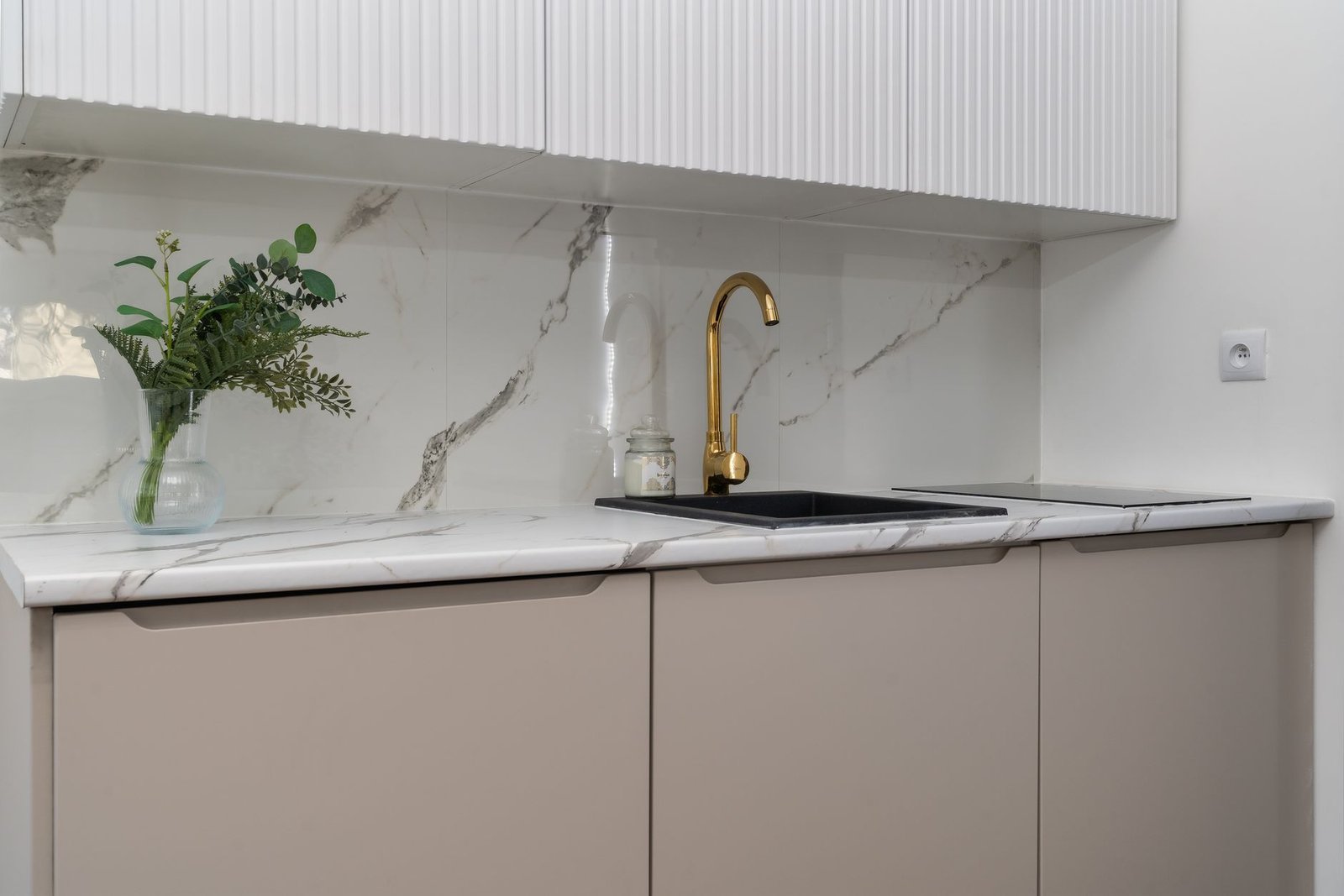
Determining the optimal material for an outdoor kitchen countertop in 2026 involves a careful balance of durability, weather resistance, aesthetics, and maintenance considerations. For the discerning homeowner planning an outdoor culinary space, the superior choices often include sintered stone, high-grade porcelain, and select natural granites or quartzites. These materials consistently rank highly due to their robust performance against the elements and alignment with contemporary design trends for the upcoming year.
The choice of an outdoor countertop material is critical, as it must withstand UV radiation, extreme temperatures, moisture, and potential impacts. Modern developments in material science, alongside evolving aesthetic preferences, offer a broader and more sophisticated range of options than ever before. This comprehensive guide evaluates leading contenders based on their suitability for 2026 outdoor living, ensuring an informed decision for long-lasting style and functionality.
Evaluating Key Factors for 2026 Outdoor Countertops
Durability & Weather Resistance
An outdoor kitchen countertop endures significantly more environmental stress than its indoor counterpart. UV stability is paramount to prevent fading and material degradation. Resistance to freeze-thaw cycles is crucial in colder climates, preventing cracking or spalling. The material must also be impervious to moisture and resistant to stains from food, beverages, and environmental contaminants. Impact and scratch resistance are also vital for practical, everyday use.
Aesthetic Appeal & Design Trends
In 2026, outdoor kitchens are increasingly viewed as extensions of the home’s interior, demanding materials that offer sophisticated aesthetics and seamless integration. Current trends favor:
- Natural textures and matte finishes: Moving away from highly polished surfaces, textures that mimic raw stone, concrete, or brushed metal are popular.
- Large slab formats: These minimize seams, creating a sleek, expansive look.
- Subtle, earthy color palettes: Tones that complement natural surroundings and blend with architectural elements are preferred.
- Sustainability: Homeowners are increasingly seeking materials with transparent sourcing and eco-friendly manufacturing processes.
Maintenance & Longevity
The ideal outdoor countertop requires minimal maintenance to preserve its appearance and structural integrity. This includes ease of cleaning, lack of a need for frequent sealing, and inherent resistance to mold, mildew, and bacterial growth. Long-term longevity ensures the investment remains aesthetically pleasing and functional for many years, enhancing the home’s value and the resident’s enjoyment.
Leading Material Contenders for 2026
Sintered Stone (e.g., Dekton, Neolith)
Sintered stone remains a frontrunner for outdoor kitchen countertops in 2026 due to its exceptional performance characteristics. Manufactured from a blend of natural minerals subjected to extreme pressure and heat, it creates an ultra-compact surface.
- Durability: Sintered stone is virtually non-porous, making it impervious to water absorption, stains, and bacterial growth. It boasts industry-leading resistance to UV rays, extreme temperatures (both heat and frost), scratches, and impacts. These properties make it suitable for any climate.
- Aesthetics: Available in an extensive range of colors, patterns, and textures that convincingly mimic natural stone, concrete, metal, and wood. Large slab sizes allow for expansive, seamless installations. For 2026, new developments include enhanced hyper-realistic veining and innovative textured finishes that provide tactile depth.
- Maintenance: Requires minimal maintenance. No sealing is necessary, and cleaning is effortlessly achieved with soap and water.
2026 Trend: Sintered stone’s continued dominance is solidified by its unmatched performance, versatility, and increasingly sophisticated aesthetic options, including advancements in integrated smart surface technologies for future outdoor kitchens.
High-Grade Porcelain Slabs
Large-format porcelain slabs are gaining significant traction in outdoor kitchen design, presenting a strong alternative to natural stone and other engineered surfaces.
- Durability: Similar to sintered stone, high-grade porcelain is non-porous, highly resistant to UV fading, stains, heat, and frost. It offers excellent scratch and abrasion resistance.
- Aesthetics: Porcelain excels at replicating the elegant appearance of natural marble, granite, or even wood, but without the inherent vulnerabilities of those materials outdoors. Its lighter weight compared to some natural stones can also be an advantage in certain installations.
- Maintenance: Very low maintenance. It does not require sealing and is easy to clean.
2026 Trend: Porcelain’s growing popularity stems from its broad aesthetic range, superb durability, and a competitive cost-performance ratio, making it an attractive choice for homeowners seeking both beauty and practicality in larger outdoor entertainment zones.
Granite
Granite remains a classic choice for outdoor applications, celebrated for its natural beauty and robust character.
- Durability: Granite is a very hard and dense igneous rock, making it highly resistant to heat, scratches, and impact. However, most granites are porous to varying degrees and require periodic sealing (typically annually or bi-annually) to prevent staining and water absorption, especially crucial in freeze-thaw climates.
- Aesthetics: Each granite slab is unique, offering a timeless, organic appeal with distinct patterns and color variations. Honed or leathered finishes are increasingly preferred over polished surfaces for their softer look and better camouflage of minor imperfections.
- Maintenance: Moderate, primarily due to the sealing requirement. Prompt cleaning of spills is also advised to prevent etching or staining before the sealant can protect the surface.
2026 Trend: While enduringly popular, homeowners are increasingly opting for darker, denser granites or those with minimal veining for outdoor settings, as these tend to be less porous and require less intensive sealing.
Quartzite
Quartzite is a metamorphic rock that is often mistaken for marble due to its elegant veining but possesses superior hardness and durability.
- Durability: Significantly harder and more dense than granite, offering superior scratch and heat resistance. While less porous than many granites, sealing is still recommended to enhance stain protection, particularly against acidic substances.
- Aesthetics: Highly sought after for its luxurious marble-like appearance combined with enhanced durability. The veining patterns can be incredibly dramatic and beautiful.
- Maintenance: Lower than granite but still requires periodic sealing, making it more demanding than sintered stone or porcelain.
2026 Trend: Quartzite is a rising star for those desiring the sophisticated look of marble without its susceptibility to etching and staining in outdoor environments, positioning it as a premium choice for discerning homeowners.
Concrete Countertops
Concrete countertops offer a distinctive aesthetic and unparalleled customization options for outdoor kitchens.
- Durability: Very strong and robust when properly fabricated and installed. However, concrete is inherently porous and susceptible to staining, etching, and cracking if not adequately sealed and reinforced. Exposure to extreme freeze-thaw cycles without proper treatment can also compromise its integrity.
- Aesthetics: Delivers a modern, industrial, or minimalist look. Can be customized with integral colors, aggregates, and various finishes (e.g., polished, honed, textured). Its ability to be molded into unique shapes and sizes allows for bespoke designs.
- Maintenance: High. Requires regular and diligent sealing (often quarterly or semi-annually, depending on exposure and sealant type) and careful cleaning to prevent stains and maintain its finish.
2026 Trend: While popular for highly customized, unique designs, the significant maintenance demands mean concrete is typically specified for projects where the homeowner is committed to consistent upkeep. Advancements in polymer-modified concrete mixes offer improved crack resistance and durability.
Stainless Steel
For a truly professional-grade outdoor kitchen, stainless steel remains a highly functional and durable option.
- Durability: Exceptional. Stainless steel is completely non-porous, impervious to weather, heat, bacteria, and most chemicals. It will not rust if marine-grade (316L) is specified for coastal areas.
- Aesthetics: Offers a sleek, commercial, and ultra-modern aesthetic. While highly functional, it can show fingerprints, water spots, and scratches, which develop a characteristic patina over time.
- Maintenance: Low. Extremely easy to clean and requires no sealing.
2026 Trend: Continues as a niche but strong choice for highly functional, professional-grade outdoor kitchens where utility, hygiene, and a specific industrial aesthetic are prioritized. Brushed or satin finishes are often preferred over mirror polish to minimize visible smudges and minor scratches.
The Future of Outdoor Countertops: 2026 Innovations
Smart Surface Integration
Innovations are paving the way for countertops that do more than just provide a surface. Expect to see increasing integration of inductive charging pads, subtle lighting controls, and even embedded temperature sensors within countertop materials, enhancing both convenience and the user experience.
Sustainable Sourcing & Manufacturing
The demand for environmentally responsible materials continues to grow. Manufacturers are increasingly focused on utilizing recycled content, minimizing waste, and employing greener production processes for outdoor countertop materials. Homeowners are actively seeking transparency in material sourcing.
Advanced Coatings & Treatments
Research into self-cleaning surfaces and enhanced, long-lasting coatings for stain and UV protection is ongoing. While not yet universally standard, these advancements promise even lower maintenance and extended longevity for outdoor materials in the near future.
Making the Optimal Choice for the Homeowner
The “best” material for an outdoor kitchen countertop in 2026 ultimately depends on a confluence of factors unique to each homeowner’s project. The local climate, budget constraints, desired aesthetic, and the homeowner’s willingness to perform ongoing maintenance are all critical considerations.
For unparalleled durability and minimal upkeep with a broad aesthetic range, sintered stone and high-grade porcelain are often considered superior choices. Those valuing classic natural beauty and willing to commit to moderate maintenance will find granite or quartzite compelling. For a bespoke, industrial look, concrete can be excellent, provided regular sealing is embraced. For absolute functionality and a modern, professional appeal, stainless steel stands out.
It is highly recommended that residents consult with experienced outdoor living designers and material specialists. These experts can provide tailored advice, showcasing material samples, and explaining the nuances of installation and long-term care, thereby ensuring the final selection perfectly complements the home’s design and withstands the rigors of outdoor use for years to come.