As 2026 unfolds, evolving global climate patterns underscore the critical importance of water conservation, extending its reach into residential landscape design. Homeowners are increasingly seeking sustainable solutions that combine aesthetic appeal with ecological responsibility. This article spotlights nine exceptional drought-tolerant plants designed to flourish in diverse backyard environments, offering low-maintenance beauty without compromising water efficiency.
The Imperative for Water-Wise Landscaping in 2026
The contemporary homeowner faces an undeniable trend: the increasing need for water-conscious living. With water restrictions becoming more prevalent and environmental awareness at an all-time high, traditional thirsty landscapes are giving way to resilient, beautiful alternatives. Designing a backyard in 2026 means embracing xeriscaping principles, which prioritize native and adaptive plants that naturally withstand arid conditions. Beyond mere survival, these selections offer vibrant textures, colors, and forms, contributing significantly to a property’s curb appeal and overall comfort. Modern material developments also play a crucial role, with innovations in permeable paving, advanced soil moisture retention products, and intelligent irrigation systems supporting these sustainable choices.
The Top 9 Drought-Tolerant Plants for Modern Backyards
Selecting the right plants is paramount for a thriving, low-water landscape. The following species are celebrated for their resilience, beauty, and minimal water requirements once established, making them ideal for the 2026 drought-conscious backyard.
1. Lavender (Lavandula spp.)
Renowned for its fragrant blooms and silvery-green foliage, lavender is a classic choice for dry gardens. It thrives in full sun and well-drained soil, requiring minimal water once established. Its aromatic qualities also contribute to a serene outdoor environment, making it a favorite for sensory gardens and borders. Varieties such as ‘Provence’ or ‘Munstead’ offer excellent drought resistance and prolific flowering.
2. Sedum (Stonecrop)
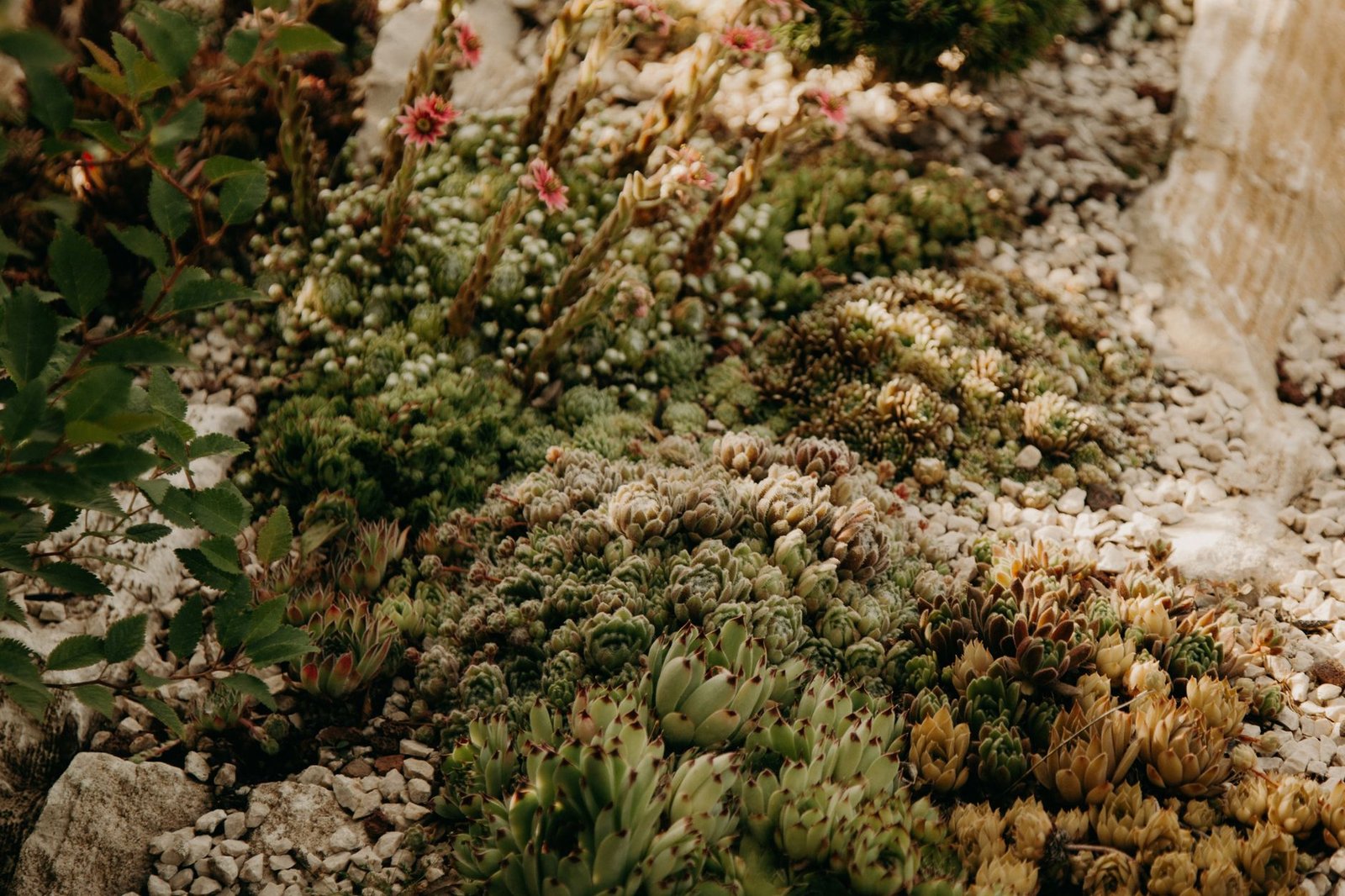
Sedums are succulent powerhouses, available in a vast array of forms, from groundcovers to upright specimens like ‘Autumn Joy’. Their thick, fleshy leaves store water, allowing them to endure long dry spells. They provide visual interest throughout the seasons, with late-summer to fall blooms that attract pollinators. Sedums are incredibly versatile, fitting seamlessly into rock gardens, containers, or mass plantings.
3. Agave (Agave spp.)
For a bold, architectural statement, agaves are unparalleled. These striking succulents, often associated with desert landscapes, come in various sizes and colors, adding dramatic flair with their rosette forms and sharp lines. While some species can grow quite large, smaller varieties are perfect for containers or as focal points. Their extreme drought tolerance makes them a cornerstone of modern xeriscaping.
4. California Poppy (Eschscholzia californica)
The vibrant, cup-shaped flowers of the California Poppy bring a cheerful splash of orange and yellow to any dry garden. As a native to California, it is perfectly adapted to arid conditions and poor soils. It readily self-seeds, creating a naturalized, wildflower meadow effect. This annual or short-lived perennial requires virtually no supplemental irrigation once established and adds ephemeral beauty.
5. Rosemary (Salvia rosmarinus)
Beyond its culinary uses, rosemary is an excellent drought-tolerant shrub. Its needle-like, aromatic leaves and delicate blue flowers add texture and fragrance to the landscape. It prefers full sun and well-drained soil, making it ideal for sunny borders, hedges, or even as a groundcover for cascading varieties. Rosemary’s robust nature and low water needs make it a practical and attractive choice.
6. Yarrow (Achillea millefolium)
Yarrow is a resilient perennial known for its fern-like foliage and flat-topped clusters of flowers in shades of yellow, white, pink, and red. It is exceptionally tolerant of heat, drought, and poor soil conditions. Yarrow provides long-lasting blooms from late spring through fall and is an excellent choice for attracting beneficial insects and adding a natural, meadow-like feel to a landscape.
7. Red Yucca (Hesperaloe parviflora)
Despite its common name, Red Yucca is actually a member of the agave family. It features clumps of narrow, grass-like leaves and tall spikes of coral-red to pink tubular flowers that attract hummingbirds. This plant is incredibly tough, thriving in full sun, heat, and very low water conditions. Its distinctive form and vibrant blooms make it an excellent accent plant or mass planting option.
8. Blue Fescue (Festuca glauca)
For ornamental grass enthusiasts, Blue Fescue offers striking steel-blue foliage in compact, mounding forms. This cool-season grass provides year-round color and texture, making it perfect for borders, rock gardens, or mass plantings. It is highly drought-tolerant once established and requires minimal maintenance, enhancing the modern minimalist aesthetic of many 2026 garden designs.
9. Bougainvillea (Bougainvillea spp.)
Where climates permit, bougainvillea delivers an explosion of vibrant color with its bracts in shades of fuchsia, purple, red, orange, or white. This vigorous vine or shrub thrives in hot, dry conditions and actually flowers more profusely with less water. It is ideal for covering walls, arbors, or cascading over containers, creating a dramatic, tropical effect with remarkable water efficiency.
Integrating Smart Landscape Design and Technology
Beyond plant selection, a truly sustainable 2026 backyard leverages cutting-edge design principles and technological advancements. Implementing a smart irrigation system, for instance, can optimize water usage significantly. These systems utilize real-time weather data, soil moisture sensors, and predictive analytics to deliver water only when and where it is needed, preventing waste and ensuring plant health. Furthermore, incorporating permeable paving solutions for patios and pathways allows rainwater to infiltrate the ground naturally, reducing runoff and replenishing groundwater. The integration of greywater recycling systems, which reuse water from household sinks and showers for irrigation, is also gaining traction, offering a robust solution for maximum water efficiency. Residents are also considering advanced soil amendments, such as slow-release hydrogels or biochar, which enhance water retention capacity and nutrient availability, making every drop count. Sustainable mulches, derived from recycled materials or local plant waste, further aid in moisture retention, suppress weeds, and enrich soil structure.
Conclusion: Cultivating Sustainable Beauty
The vision for a 2026 backyard embraces both aesthetic appeal and ecological stewardship. By consciously selecting drought-tolerant plants, homeowners contribute to water conservation efforts while cultivating landscapes that are both beautiful and resilient. These nine plants represent just a fraction of the diverse palette available for creating a stunning, low-maintenance, and water-wise outdoor space. Through thoughtful design, the integration of smart technologies, and a commitment to sustainable practices, residents can enjoy verdant, thriving environments that stand the test of time and changing climatic conditions, ensuring domestic comfort and environmental harmony.