
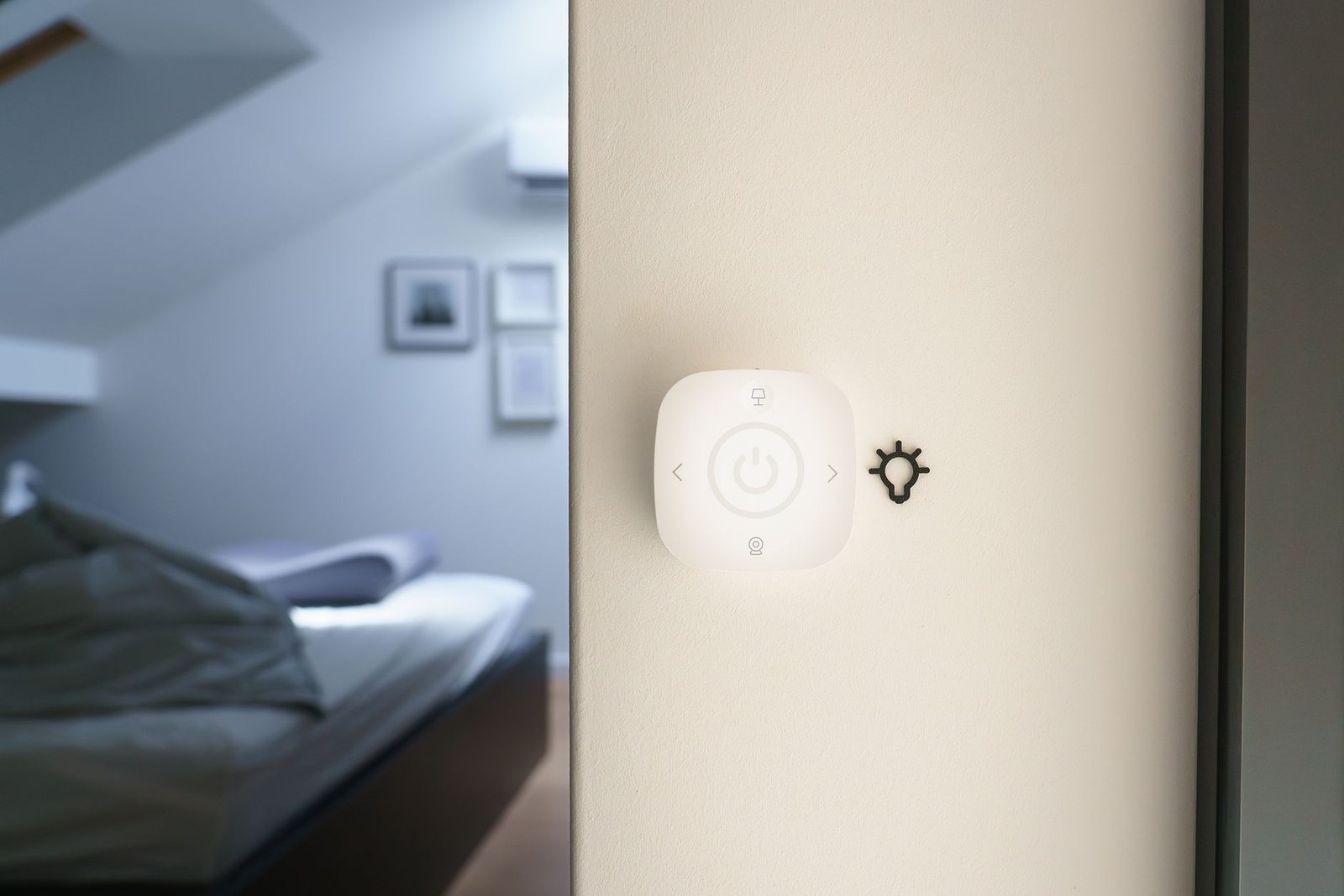
When assessing whether traditional blackout curtains or modern smart blinds offer superior sleep quality in 2026, the optimal choice for a resident hinges on a blend of budget, desired convenience, and seamless integration with existing home automation ecosystems. While blackout curtains continue to provide robust darkness with modern material enhancements, smart blinds deliver unparalleled automation and precision control, increasingly aligning with contemporary smart home trends and wellness objectives.
The Quest for Optimal Darkness: Why It Matters in 2026
In 2026, the understanding of sleep’s critical role in overall health and well-being is more pronounced than ever. Creating an environment conducive to restorative sleep is a cornerstone of domestic comfort analysis. Research consistently indicates that exposure to even minimal light during sleep can disrupt melatonin production, impairing circadian rhythm and reducing sleep quality. Thus, achieving a near-total blackout in the sleeping environment is paramount for many seeking enhanced rest. The market offers two primary solutions for this vital need: the tried-and-true blackout curtain and the rapidly evolving smart blind.
Traditional Blackout Curtains: Enduring Effectiveness
Blackout curtains have long been the go-to solution for maximizing darkness in bedrooms. Their fundamental principle involves using dense, opaque fabric to block external light entirely. In 2026, this category has seen significant advancements beyond basic fabric panels.
Material Innovations and Design in 2026
Modern blackout curtains integrate cutting-edge textiles for superior performance. Manufacturers now commonly employ multi-layered thermal fabrics that not only block light but also offer enhanced insulation, contributing to energy efficiency by reducing heat gain in summer and heat loss in winter. Sound-dampening properties are also a key trend, with woven acoustic textiles helping to mitigate urban noise. Environmentally conscious consumers can find options made from recycled materials or sustainable organic fibers, treated with non-toxic, light-blocking coatings. Design innovations include wraparound tracks and integrated side channels, ensuringzero light leakagearound the edges, a common drawback of older installations.
Ease of Use and Installation
The operation of blackout curtains remains inherently manual, requiring the resident to physically open and close them. Installation can range from simple rod hanging to more complex track systems designed for complete light sealing. While straightforward for many, achieving a truly gap-free blackout often requires careful measurement and specialized hardware.
Cost Considerations
Blackout curtains typically represent a more budget-friendly upfront investment compared to smart blinds. High-quality, off-the-shelf options are widely available at accessible price points. Custom-made curtains, especially with premium materials and specialized tracking systems, can elevate the cost, but generally remain less expensive than their automated counterparts.
Limitations
Despite their effectiveness, traditional blackout curtains have limitations. The manual operation can be inconvenient for some residents, especially those with multiple windows or mobility considerations. Light leakage around the edges, top, and bottom can still occur if not installed perfectly with specialized hardware. Aesthetically, their bulkiness can sometimes dominate a room’s design, though modern, sleeker designs are addressing this.
Smart Blinds: The Technological Frontier in 2026
Smart blinds represent the intersection of home automation and comfort, offering an elegant, high-tech solution to light control. Their evolution in 2026 showcases advanced connectivity, customization, and user experience.
Advanced Features and Integration
The core appeal of smart blinds lies in their automation. Residents can control them via smartphone apps, voice commands (through assistants like Alexa, Google Assistant, or Apple HomeKit), or pre-set schedules. A significant trend in 2026 is the ubiquitous adoption of unified smart home protocols like Matter and Thread, which ensure seamless integration with virtually any smart home ecosystem. This allows for complex automations: blinds can gradually open to mimic a sunrise alarm, close automatically at sunset, or adjust based on external light sensors or even the resident’s sleep-wake cycle data. Some systems now integrate with home security to simulate occupancy.
Material and Motorization Trends
Smart blinds come in various styles, including roller, cellular, Venetian, and Roman, all motorized for silent operation. In 2026, motor technology has advanced, offering ultra-quiet performance, energy efficiency, and extended battery life, with many models featuring solar-charging capabilities. Materials are increasingly designed for thermal regulation and aesthetic minimalism, with options that are lightweight, durable, and resistant to fading. Precision engineering ensures tight fits within window frames, often with integrated side channels forsuperior light blocking.
Ease of Use and Convenience
The primary advantage of smart blinds is their unparalleled convenience. Once installed and programmed, they operate effortlessly, adapting to the resident’s schedule or environmental conditions without manual intervention. This automation significantly enhances the daily routine, offering a hands-free experience for light and privacy control.
Cost Implications
The initial investment for smart blinds is generally higher than for traditional blackout curtains, especially for systems with advanced features and full smart home integration. However, ongoing advancements and increased competition have made entry-level smart blind solutions more accessible in 2026. The perceived long-term value often includes potential energy savings from optimized light and temperature control, and the added luxury and convenience of a fully automated home.
Potential Drawbacks
Despite their advantages, smart blinds have certain considerations. Their reliance on power, whether through hardwiring or batteries, means a potential point of failure. The initial setup and programming can be more complex for some residents compared to hanging curtains. While connectivity is improving, potential interoperability issues or cybersecurity concerns for fully integrated systems are still factors the homeowner might consider.
Direct Comparison: Blackout Curtains vs. Smart Blinds for 2026 Sleep Quality
Light Blocking Efficacy
- Blackout Curtains: With proper installation, including wraparound tracks and side channels, curtains can achieve near-absolute darkness, effectively eliminating light gaps.
- Smart Blinds: Many smart blind designs, particularly roller or cellular blinds with custom-fit side channels, offer excellent light blockage. The precision of motorization can ensure consistent, full closure every time.
User Experience and Convenience
- Blackout Curtains: Manual operation, requiring physical interaction.
- Smart Blinds: Automated, scheduled, voice-controlled, or app-controlled, offering superior convenience and accessibility.
Aesthetics and Integration
- Blackout Curtains: Can be visually dominant; offers a traditional, fabric-rich aesthetic.
- Smart Blinds: Often sleek, minimalist, and integrated discreetly into the window frame, aligning with modern, tech-forward interior designs. Their smart home integration capability is a significant aesthetic and functional advantage.
Investment and Long-Term Value
- Blackout Curtains: Lower upfront cost, durable, long lifespan. Value is in direct light blockage and thermal insulation.
- Smart Blinds: Higher initial investment, but offer long-term value through energy efficiency, enhanced convenience, smart home integration, and potential for increased property value in a smart home context.
Future-Proofing for the Modern Homeowner
- Blackout Curtains: A timeless solution, but static in functionality.
- Smart Blinds: Highly adaptable to evolving smart home technologies, offering a future-proof solution for integrated living spaces.
Conclusion: The Optimal Choice for 2026
In 2026, both blackout curtains and smart blinds offer compelling pathways to improved sleep quality through effective light elimination. The determination of which is