
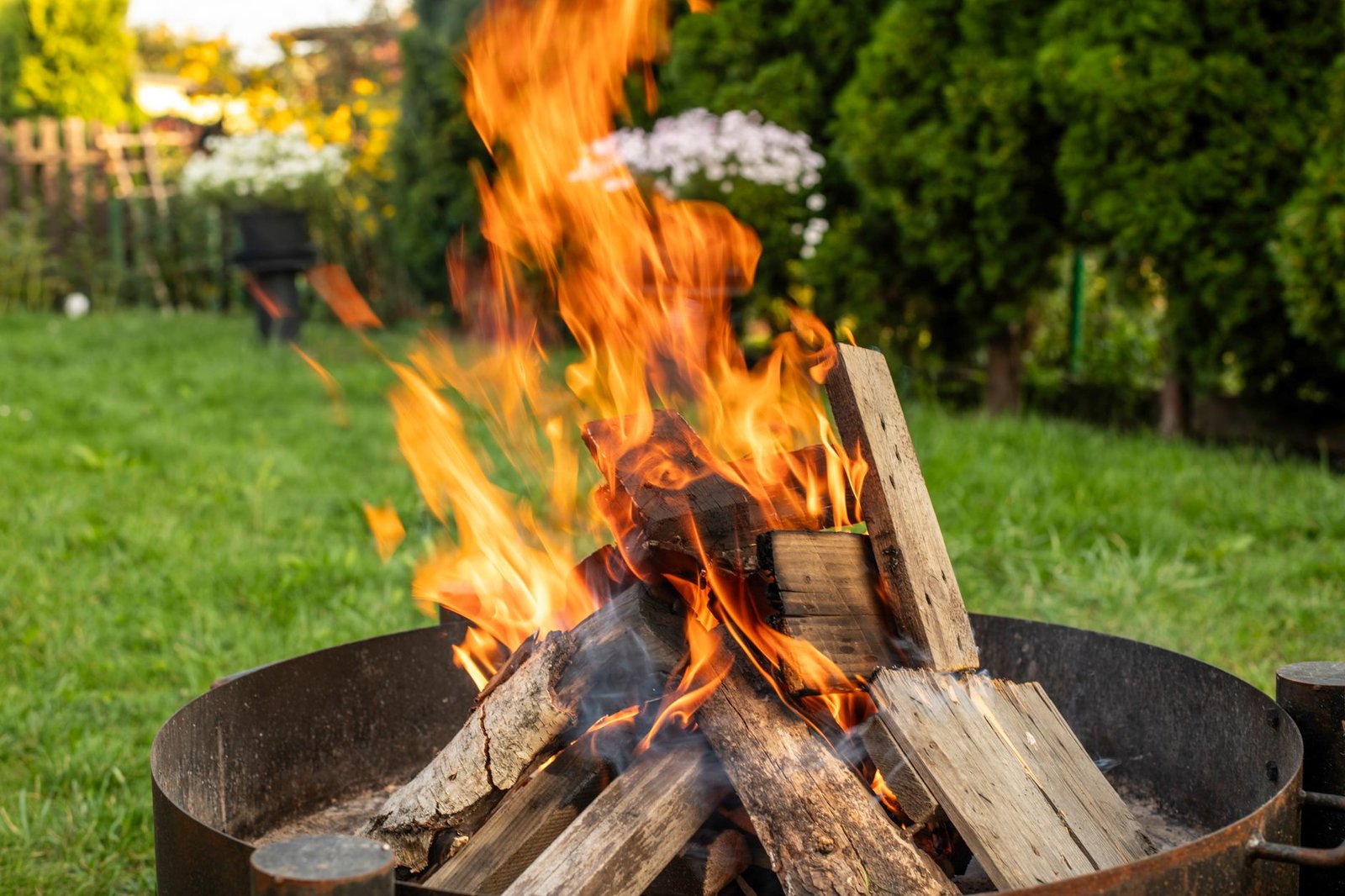
Creating a backyard fire pit is a rewarding DIY project that enhances outdoor living spaces. To successfully construct a safe and functional fire pit in 2026, homeowners will require a specific set of essential tools, covering everything from initial excavation to the finishing touches. This comprehensive guide outlines the seven must-have tools and equipment, emphasizing efficiency, safety, and modern material handling, ensuring a smooth and successful build for the resident.
Laying the Groundwork: Site Preparation and Excavation Essentials
The foundation of any successful fire pit project begins with precise site preparation. Proper excavation and leveling are crucial for stability and longevity, demanding tools that offer both power and accuracy. Modern fire pit designs often incorporate advanced ventilation or smart ignition systems, making a well-prepared base even more critical for seamless integration.
1. Heavy-Duty Shovel and Pickaxe for Excavation
- Purpose: Excavating the designated area for the fire pit’s base and footing.
- 2026 Relevance: While traditional, modern shovels often feature ergonomic designs and reinforced handles for reduced fatigue, especially when dealing with compacted soil or rocky terrain. For particularly stubborn earth, a pickaxe becomes indispensable.
- Why it’s essential: Achieving the correct depth and diameter for the fire pit’s foundation requires significant earth removal, which these tools facilitate efficiently.
2. Measuring Tape and Layout Tools for Precision
- Purpose: Accurately marking the fire pit’s dimensions and ensuring a perfectly circular or square footprint.
- 2026 Relevance: Digital measuring tapes with laser accuracy are increasingly common, offering superior precision compared to traditional tapes. String lines and marking paint or chalk are also vital for defining the excavation area clearly.
- Why it’s essential: Precise measurements are paramount for a symmetrical and structurally sound fire pit, preventing costly errors later in the project.
3. Spirit Level or Laser Level for a True Base
- Purpose: Ensuring the base of the fire pit is perfectly level, which is critical for stability and proper drainage.
- 2026 Relevance: Advanced laser levels project precise lines over larger areas, making it easier to check the level across the entire foundation. Even traditional spirit levels have seen improvements in durability and readability.
- Why it’s essential: A level foundation prevents leaning or uneven construction, which can compromise the fire pit’s safety and aesthetic appeal.
Building the Structure: Construction and Assembly Tools
Once the ground is prepared, the actual construction of the fire pit’s walls begins. This phase involves working with various masonry materials, from traditional retaining wall blocks to advanced composite panels, often requiring specialized tools for cutting, setting, and bonding.
4. Masonry Trowel and Rubber Mallet for Setting Blocks
- Purpose: Applying mortar or adhesive between masonry units and gently adjusting blocks into place.
- 2026 Relevance: High-performance masonry adhesives are gaining popularity as alternatives to traditional mortar, requiring specific trowels for optimal application. Rubber mallets prevent damage to decorative blocks during adjustments.
- Why it’s essential: These tools allow for precise placement and secure bonding of fire pit blocks, creating a robust and uniform structure.
5. Masonry Saw (Angle Grinder with Diamond Blade) for Cutting Materials
- Purpose: Cutting and shaping masonry blocks, pavers, or firebrick to fit specific dimensions or curves.
- 2026 Relevance: Cordless angle grinders with advanced battery technology offer portability and power, making cuts easier without being tethered to an outlet. Diamond blades are essential for clean cuts through durable modern materials like engineered concrete or basalt.
- Why it’s essential: Customizing block sizes for a professional finish and ensuring accurate fit around fire rings or caps is impossible without a capable masonry saw.
Finishing and Functionality: Compaction and Safety
The final stages involve ensuring the stability of the entire structure and prioritizing safety. Attention to these details ensures the fire pit is not only beautiful but also durable and secure for years of enjoyment.
6. Hand Tamper for Base Compaction
- Purpose: Compacting the gravel base and subsequent layers to create an exceptionally stable foundation.
- 2026 Relevance: While a fundamental tool, modern tampers often feature heavier heads and ergonomic handles for more effective compaction with less effort.
- Why it’s essential: A well-compacted base prevents settling, shifting, and cracking of the fire pit structure over time, which is critical for safety and longevity.
7. Comprehensive Safety Gear
- Purpose: Protecting the homeowner from potential hazards during all phases of the project.
- 2026 Relevance: Safety standards continue to evolve, with advanced personal protective equipment (PPE) offering enhanced comfort and protection. This includes impact-resistant safety glasses, heavy-duty work gloves, ear protection (especially when using power tools), and a dust mask or respirator for cutting masonry.
- Why it’s essential: Safety is paramount. Neglecting proper protection can lead to serious injuries, transforming a rewarding project into a regrettable one.
Constructing a DIY backyard fire pit is a fulfilling endeavor that significantly enhances any outdoor living area. By equipping oneself with these seven essential tools for 2026, the resident ensures the project’s successful execution, yielding a safe, functional, and aesthetically pleasing focal point for countless evenings of enjoyment. Adhering to best practices for tool use and safety will guarantee a durable and cherished addition to the home’s exterior.