
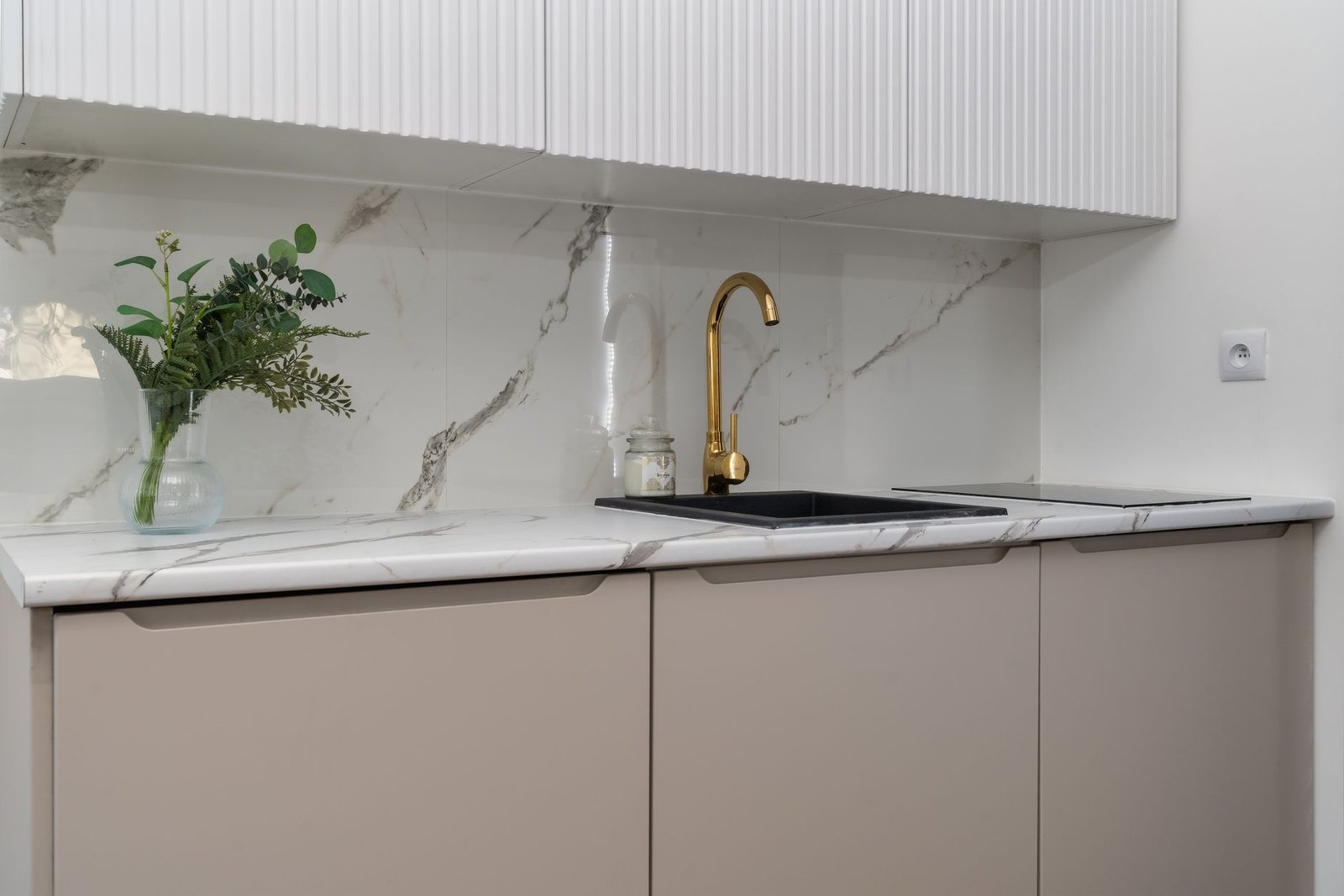
When planning an outdoor kitchen for 2026, selecting the optimal countertop material is paramount for ensuring longevity, aesthetic appeal, and minimal maintenance. The best outdoor kitchen countertop materials for 2026 typically balance extreme durability against the elements, UV resistance, and ease of care with sophisticated design. Leading contenders include highly dense natural stones like granite and quartzite, and advanced engineered options such as sintered stone, all of which excel in resisting weather, temperature fluctuations, and daily use.
Navigating 2026 Outdoor Countertop Trends
The landscape of outdoor living design in 2026 emphasizes resilience, sustainability, and seamless integration with natural surroundings. Homeowners are increasingly seeking materials that not only withstand harsh environmental conditions but also contribute to a luxurious, cohesive outdoor aesthetic. The current year’s trends highlight a move towards low-maintenance solutions that do not compromise on visual impact or environmental responsibility.
Durability and Performance: The Core Priorities
For outdoor kitchen countertops in 2026, durability remains the cornerstone of material selection. Exposure to sun, rain, snow, extreme temperatures, and potential impacts from cooking activities necessitates materials that are inherently robust. Performance metrics such as UV stability to prevent fading, non-porosity to resist staining and bacterial growth, and resistance to thermal shock are critical. Modern material developments focus on enhancing these properties, ensuring surfaces remain pristine for years.
Aesthetic Integration and Sustainability
Beyond pure function, the aesthetic contribution of outdoor countertops is a significant factor. Residents desire surfaces that complement their home’s architectural style and landscape design, often opting for finishes that mimic natural textures or offer sleek, minimalist lines. Sustainability also plays an increasing role, with a preference for materials that are responsibly sourced or manufactured, and have a long lifespan, reducing the need for premature replacement.
Top Outdoor Kitchen Countertop Materials for 2026
Understanding the strengths and weaknesses of popular materials is key to making an informed decision for 2026 installations.
Natural Stone: Granite and Soapstone
- Granite: Consistently a top choice, granite offers exceptional hardness and heat resistance. Its natural variations in color and pattern ensure a unique surface for every installation. For outdoor use, darker granites often show less staining and UV fading over time.Pros: Extremely durable, highly heat resistant, scratch resistant, adds natural beauty.Cons: Requires periodic sealing (typically annually) to maintain stain resistance, can be porous if not properly sealed.Maintenance: Regular cleaning with mild soap and water, annual sealing.Cost: High to very high, depending on slab rarity and fabrication complexity.
- Soapstone: Known for its dense, non-porous nature, soapstone is inherently stain resistant and impervious to acids. It develops a beautiful patina over time, which many homeowners find appealing. While softer than granite, it is very durable in practical use and repairs easily.Pros: Non-porous, highly stain resistant, heat proof, develops unique patina, easy to repair scratches.Cons: Softer than other stones (can scratch more easily, though scratches are often superficial and can be buffed out), limited color palette (mostly shades of grey, can be oiled to deepen color).Maintenance: Regular cleaning, occasional oiling to enhance color and accelerate patina. No sealing required.Cost: High.
Engineered Options: Sintered Stone and Quartzite
- Sintered Stone (e.g., Dekton, Neolith): This advanced engineered material is manufactured from natural minerals subjected to extreme pressure and temperature, replicating metamorphic processes. The result is an incredibly dense, non-porous, and highly durable surface. Sintered stone is arguably one of the most robust options available for outdoor use in 2026, offering superior UV stability, scratch, heat, and stain resistance. It comes in a vast array of colors and finishes, including those mimicking natural stone, wood, and concrete.Pros: Extremely durable, virtually non-porous, highly resistant to UV, heat, scratches, and stains. No sealing required.Cons: High material and fabrication cost, can be prone to chipping on edges if not properly installed or protected.Maintenance: Minimal, simply clean with soap and water.Cost: Very high.
- Quartzite (Natural Stone): Often confused with engineered quartz, natural quartzite is a metamorphic rock formed from sandstone under intense heat and pressure. It is significantly harder and more durable than granite, making it an excellent choice for outdoor applications. Natural quartzite shares many properties with granite but is generally less porous and more resistant to scratching and etching. Its appearance often resembles marble but with superior outdoor performance.Pros: Extremely hard and durable, highly resistant to UV, scratches, and heat. Less porous than granite.Cons: Can be expensive, some varieties may require sealing, prone to etching from strong acids if not sealed (less so than marble).Maintenance: Regular cleaning, potential periodic sealing depending on specific stone porosity.Cost: High to very high.
Concrete and Stainless Steel: Niche but Robust
- Concrete: Customizable in shape, color, and finish, concrete offers a distinct industrial-chic aesthetic. Modern concrete formulations for 2026 include admixtures that enhance durability and reduce porosity. When properly sealed, concrete can be a robust option for outdoor kitchens.Pros: Highly customizable, durable, good heat resistance, unique aesthetic.Cons: Can crack if not properly installed or if exposed to extreme freeze/thaw cycles without proper reinforcement, requires diligent sealing to prevent staining and water absorption, can etch.Maintenance: Regular cleaning, annual or biennial sealing is crucial.Cost: Moderate to high, depending on customization and complexity.
- Stainless Steel: While less common for the entire countertop surface, stainless steel is a practical choice for specific zones, such as around sinks or grilling areas, due to its hygiene and heat resistance. It integrates well with modern outdoor kitchen appliances.Pros: Extremely hygienic, highly heat resistant, non-porous, corrosion resistant (especially marine-grade), very modern aesthetic.Cons: Can scratch and dent easily, shows fingerprints and water spots, can get very hot in direct sun.Maintenance: Regular cleaning with specialized stainless steel cleaners to avoid streaks and spots.Cost: Moderate to high.
Key Considerations for Material Selection
Choosing the ideal outdoor kitchen countertop involves a multifaceted evaluation tailored to individual needs and environmental factors.
Climate and Exposure
The local climate dictates much about material suitability. In regions with harsh winters and freeze-thaw cycles, materials with low porosity and high thermal shock resistance are essential. Areas with intense UV exposure necessitate materials with strong color stability to prevent fading. Covered outdoor kitchens may allow for a slightly wider range of options compared to fully exposed setups.
Maintenance Regimen
The resident’s willingness to commit to maintenance is a critical factor. Some materials, like unsealed natural stones or concrete, require regular sealing, while others, such as sintered stone or properly dense quartzite, are virtually maintenance-free beyond basic cleaning. A low-maintenance material can significantly enhance the long-term enjoyment of the outdoor kitchen.
Budget Allocation
Material costs vary widely, from the moderate range of some concrete options to the very high end of exotic granites and sintered stones. Fabrication and installation costs also play a significant role, as complex designs or challenging installations can drive up the overall project expense. A detailed budget analysis is crucial for managing expectations and ensuring project feasibility.
Overall Design Harmony
The countertop should integrate seamlessly with the outdoor kitchen’s cabinetry, appliances, and surrounding landscape. Color, texture, and finish choices contribute significantly to the overall aesthetic. Whether aiming for a rustic, contemporary, or transitional look, the countertop material should enhance the desired design narrative.
Ultimately, the best outdoor kitchen countertop material for 2026 is one that robustly meets the specific demands of the homeowner’s climate, design aesthetic, and maintenance preferences. By carefully weighing the properties and costs of leading options, residents can select a surface that provides enduring beauty and functionality for their outdoor culinary space.