
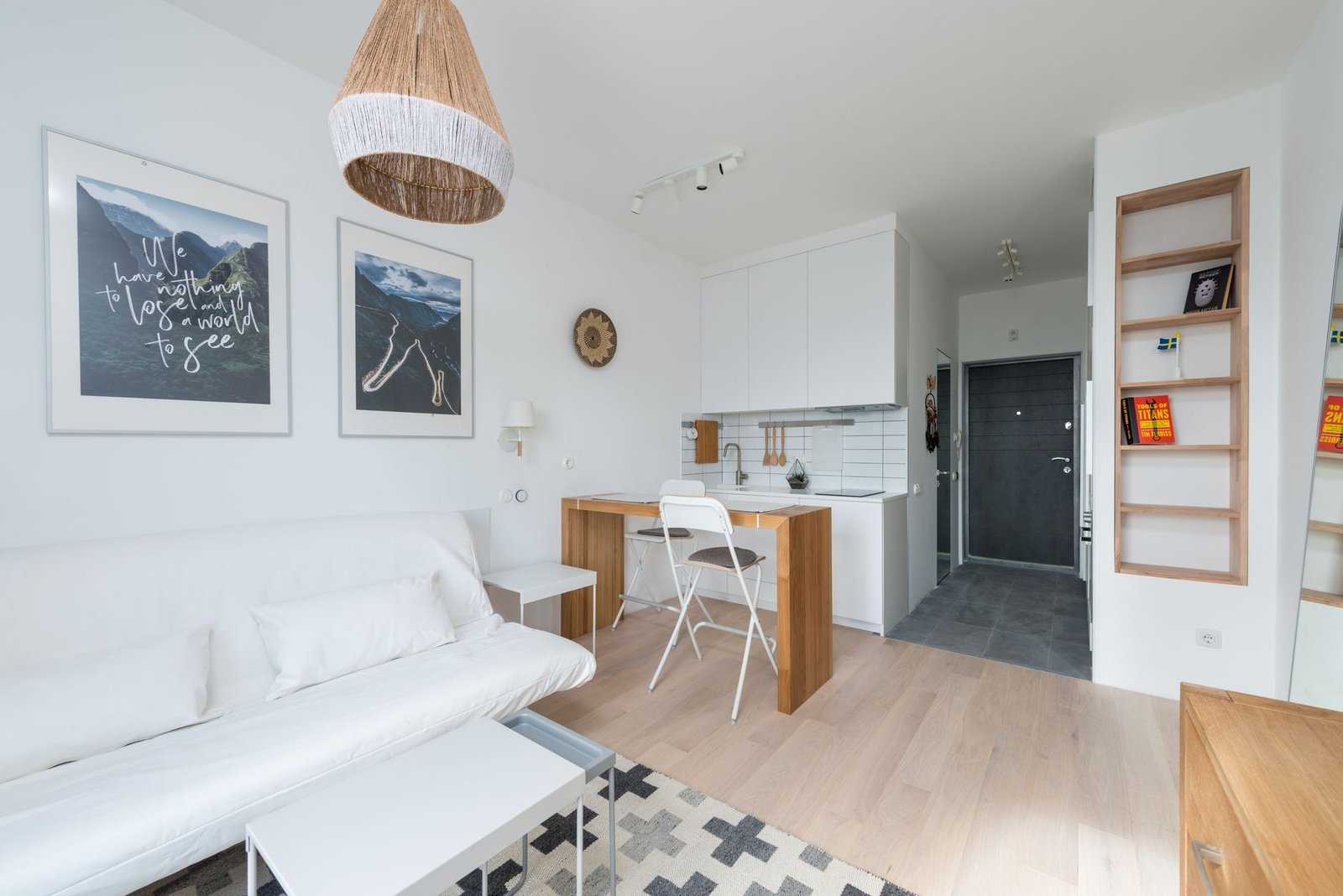
Accent Walls vs. Full Room Color: Best for Small Spaces in 2026?
For small living spaces in 2026, the decision between an accent wall and painting an entire room with a bold color requires careful consideration of desired aesthetic impact and spatial dynamics. While both approaches can dramatically transform a compact area, an accent wall often provides a more controlled visual statement, offering depth and focal points without overwhelming the environment, whereas a full-room application of a bold hue can create an immersive, intentional atmosphere, albeit with specific strategic considerations for spatial perception.
Understanding the nuances of each strategy, alongside current material innovations and design philosophies, is crucial for the homeowner aiming to maximize aesthetic appeal and perceived spaciousness. This analysis delves into the advantages and challenges of both options, guiding the resident toward an informed design choice in the rapidly evolving landscape of interior design.
The Enduring Appeal of Accent Walls in Small Spaces
Accent walls remain a highly effective tool for adding character and depth to smaller rooms. Their inherent ability to draw the eye allows for the creation of visual interest without the commitment or potential visual weight of a full-room application. In 2026, the concept of an accent wall has evolved beyond a simple contrasting paint color, embracing sophisticated textures, advanced materials, and even digital integration.
Visual Expansion and Focal Points
An intelligently placed accent wall can trick the eye, making a room feel larger. By highlighting the longest wall or a wall perpendicular to the main entry point, the resident can elongate the perceived dimensions of the space. It serves as an immediate focal point, directing attention and providing a canvas for art or distinct furniture arrangements. This approach is particularly beneficial in rooms where a uniform color might feel monotonous or where a bold color throughout could make the space feel compressed.
Contemporary accent wall applications in small spaces often involve more than just paint. Trends for 2026 include:
- Textured Wallpapers: Utilizes woven grasscloths, embossed geometric patterns, or sustainable textile wallpapers that add tactile dimension without heavy patterns.
- Biophilic Panels: Modular panels incorporating preserved moss, cork, or natural wood veneers, bringing organic textures and a sense of calm.
- Acoustic Art Panels: Functional yet aesthetic panels that reduce echo in multi-purpose small spaces, available in customizable colors and shapes.
- Digital Murals: High-definition, custom-printed wall coverings depicting abstract art, subtle landscapes, or even personal photography, offering unique personalization.
Effort and Versatility
From an implementation standpoint, an accent wall typically requires less material and effort than painting an entire room. This makes it a more accessible DIY project for many homeowners. Furthermore, its versatility allows for easier updates. Should design preferences shift, replacing or repainting a single accent wall is considerably less disruptive and costly than redoing an entire room.
For small apartments or rented properties, accent walls provide a powerful aesthetic upgrade with minimal long-term commitment. The homeowner can experiment with bolder colors, more intricate patterns, or luxurious textures that might be overwhelming if applied to all four walls.
Embracing Full-Room Boldness: A 2026 Perspective
While often perceived as a risky choice for small rooms, painting an entire space a bold color can yield stunning results when executed thoughtfully. This approach, popular in boutique hospitality and avant-garde residential design, creates an immersive, jewel-box effect that can make a small room feel intentional and luxurious rather than merely cramped.
Immersive Atmosphere
A full-room bold color, particularly deep jewel tones (think sapphire blue, emerald green, or rich oxblood) or sophisticated charcoals and navy, can blur the boundaries of a small room. This creates a cocoon-like environment, making the space feel expansive in its depth rather than its breadth. It allows for a unified design narrative, where furniture, art, and accessories either seamlessly blend or provide sharp, intentional contrast. The effect is one of intimacy and sophistication, transforming what might be perceived as a limitation into a design statement.
Modern paint formulations in 2026 contribute significantly to the success of this strategy:
- Matte and Velvety Finishes: These absorb light rather than reflecting it, creating a soft, deep, and luxurious feel that minimizes harsh shadows and makes walls recede.
- Smart Pigments: Paints engineered with light-adapting pigments can subtly shift tone based on ambient light, preventing the room from feeling flat or oppressive.
- Low-VOC and Bio-Based Paints: Sustainable options are abundant, ensuring healthier indoor air quality without compromising on vibrant, deep color saturation.
Challenges and Mitigation
The primary challenge with painting an entire small room a bold color is the potential for it to feel claustrophobic or overly dark. However, these concerns can be mitigated with strategic design choices:
- Lighting: Thoughtful layering of lighting—ambient, task, and accent—is crucial. Incorporating reflective surfaces like mirrors, metallic accents, or glass elements can bounce light around the room, preventing it from feeling like a cave.
- Furniture and Decor: Opt for furniture with slender profiles or transparent materials (e.g., acrylic chairs). Keep decor minimalist and curated to avoid visual clutter. Introducing lighter-colored textiles or artwork can provide necessary visual breaks.
- Ceiling Treatment: A lighter ceiling color (e.g., off-white, very pale grey, or even the palest tint of the wall color) can prevent the room from feeling completely enclosed.
Strategic Considerations for Small Spaces: Making the Right Choice
Choosing between an accent wall and full-room color for a small space is not a one-size-fits-all decision. The optimal choice hinges on several factors, including natural light, intended room function, and the resident’s personal style.
Light and Scale
Natural Light: Rooms with ample natural light can generally handle bolder colors more effectively, whether on an accent wall or all walls. Lack of natural light necessitates lighter colors or highly reflective surfaces to prevent the space from feeling dim. Artificial lighting plays a pivotal role in modulating the perception of color in any small space, particularly with bold hues.
Scale: The scale of patterns or textures on an accent wall, or the depth of a full-room color, must be proportionate to the room size. Oversized patterns can overwhelm, while extremely deep colors without sufficient light can feel heavy. Conversely, a subtle texture or a rich, uniform color can enhance intimacy.
Furniture and Decor Integration
Consider existing furniture and decor. An accent wall can provide a backdrop that highlights specific pieces, while a full-room color requires all elements to work in harmony with the dominant hue. The resident should assess whether current furnishings will complement or clash with the chosen color strategy. Simplistic, well-curated furniture often works best in small spaces, regardless of the wall treatment.
2026 Trends and Material Innovations
The design landscape of 2026 offers exciting advancements that influence decisions for small space aesthetics.
Biophilic Textures and Sustainable Paints
A significant trend is the integration of biophilic design principles. This means bringing elements of nature indoors through textures, colors, and sustainable materials. Think accent walls featuring recycled wood panels, cork, or even preserved plant installations. Paints are increasingly developed with zero-VOC (Volatile Organic Compounds) formulas, bio-based ingredients, and even air-purifying properties, allowing for bold color choices without compromising indoor air quality.
Smart Surface Technologies
Emerging in 2026 are smart surface technologies. These include wallpapers with subtle integrated LED filaments for ambient lighting effects, allowing for dynamic accent walls that change mood with a touch. There are also paints with thermal properties that can subtly contribute to room temperature regulation, offering both aesthetic and functional benefits to small, often challenging, spaces.
Conclusion: Harmonizing Style and Space
For the homeowner navigating small space design in 2026, both accent walls and full-room bold colors offer compelling opportunities. An accent wall provides a versatile, impactful solution for creating focal points and perceived depth with less commitment, leveraging contemporary textures and digital prints for personalized statements. Conversely, a carefully considered application of bold color across an entire small room can craft an enveloping, sophisticated atmosphere, transforming the space into a luxurious sanctuary.
The key to success lies in understanding the interplay of light, scale, and function, combined with an embrace of 2026’s innovative, sustainable materials and smart technologies. Ultimately, the best choice is the one that aligns most closely with the resident’s vision for their space, enhancing comfort and aesthetic appeal without sacrificing functionality or spatial perception.