
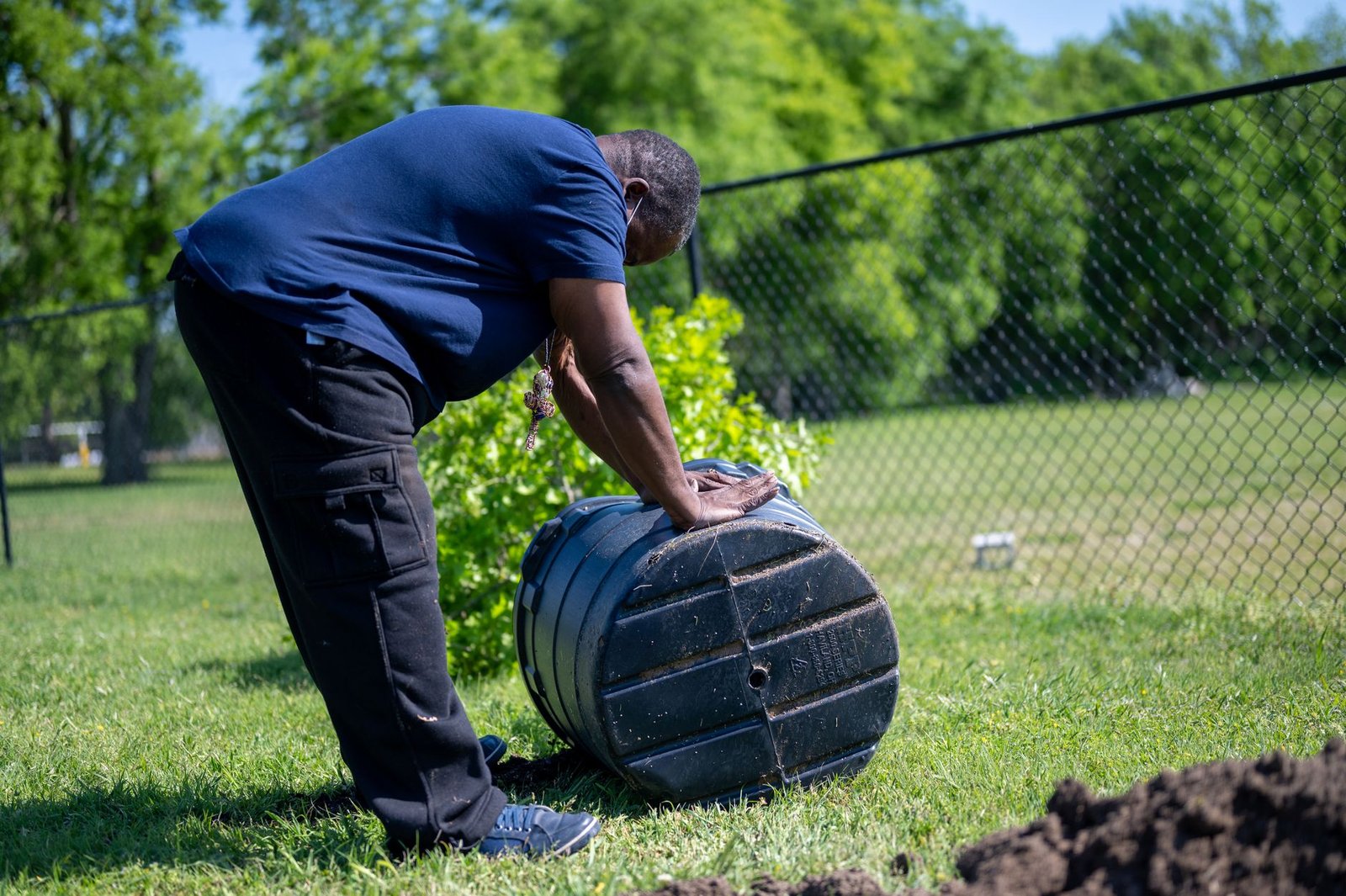
For homeowners with limited outdoor space in 2026, the best composter for a small backyard effectively balances compactness, efficiency, and modern material innovations. Leading options typically include high-efficiency tumbler composters, advanced vermicomposting systems, and airtight bokashi bins, each offering distinct advantages for processing organic waste in constrained environments. The optimal choice depends on the volume of waste generated, aesthetic preferences, and the resident’s willingness to engage with the composting process.
As sustainable living gains paramount importance in 2026, composting remains a fundamental practice for reducing landfill waste and enriching garden soil. However, the constraints of a small backyard necessitate careful selection of composting equipment. This article delves into the top compact composting solutions, incorporating the latest industry trends and material advancements to guide the homeowner toward an informed decision.
Understanding Small Backyard Composting Needs in 2026
Successful composting in a compact setting demands consideration of several key factors that often differ from larger-scale operations. Space constraints are obviously primary, but odor management, aesthetic integration, and ease of use become equally critical for maintaining domestic comfort and neighborly harmony.
Space Efficiency and Aesthetics
In 2026, composter designs prioritize minimal footprints and discreet appearances. Manufacturers increasingly offer units that blend seamlessly with modern outdoor living spaces, utilizing neutral color palettes and sleek, unobtrusive forms. The goal is to provide a functional composting solution that enhances, rather than detracts from, the backyard’s overall appeal. Innovative designs might include units that double as garden seating or decorative planters, offering multi-functional benefits.
Odor and Pest Control
Odors and pests are significant concerns in close-quarter living. The best small backyard composters feature robust sealing mechanisms, advanced aeration systems, and materials that deter rodents and insects. Aerobic decomposition, facilitated by proper air circulation, is crucial for preventing anaerobic odors. Vermicomposting and Bokashi systems, when managed correctly, are particularly adept at controlling smells, making them ideal for urban and suburban settings.
Top Composter Types for Compact Spaces
Several types of composters are exceptionally well-suited for small backyards, each with unique operational characteristics and benefits.
High-Efficiency Tumbler Composters
Tumbler composters consist of an elevated, rotating barrel that makes turning the compost pile effortless. In 2026, these units are often constructed from durable, UV-resistant recycled HDPE (High-Density Polyethylene), ensuring longevity and sustainability. Modern innovations include:
- Double-chamber designs: These allow for continuous composting, where one chamber cures while the other is actively filled.
- Enhanced aeration systems: Integrated internal fins and strategically placed ventilation ports maximize airflow, speeding up decomposition and preventing anaerobic conditions.
- Ergonomic turning mechanisms: Improved handles and gear systems make rotation easier, even when the composter is full.
- Potential for integrated moisture sensors: Some high-end models in 2026 may incorporate basic smart features, providing feedback on optimal moisture levels via visual indicators or simple smartphone connectivity.
Pros: Fast decomposition, excellent aeration, generally pest-resistant, easy to turn.Cons: Can be relatively bulky compared to other compact options, requires a balanced mix of materials.
Vermicomposting Systems (Worm Bins)
Vermicomposting utilizes red wiggler worms to break down organic waste into nutrient-rich castings. These systems are inherently compact and exceptionally efficient for processing food scraps. 2026 advancements focus on user convenience and aesthetic appeal:
- Modular, stackable designs: Allowing the resident to expand the system as needed, while maintaining a small footprint.
- Self-harvesting features: Innovative designs that encourage worms to migrate upwards, making it easier to collect finished castings from the bottom trays.
- Improved ventilation: Enhanced airflow through specialized lid and tray designs minimizes odors and creates an optimal environment for the worms.
- Aesthetically pleasing materials: Constructed from sustainably sourced wood composites or recycled, durable plastics that can be discreetly placed indoors or outdoors.
- Emerging smart features: Some advanced vermicomposting systems might include basic temperature and humidity sensors to help monitor the worm habitat.
Pros: Excellent for kitchen waste, produces highly valuable compost (worm castings), very compact, virtually odorless if managed correctly.Cons: Slower processing compared to tumblers, sensitive to temperature extremes, requires specific waste types (no meat, dairy, or oily foods).
Bokashi Composting Bins
Bokashi is an anaerobic fermentation process that