
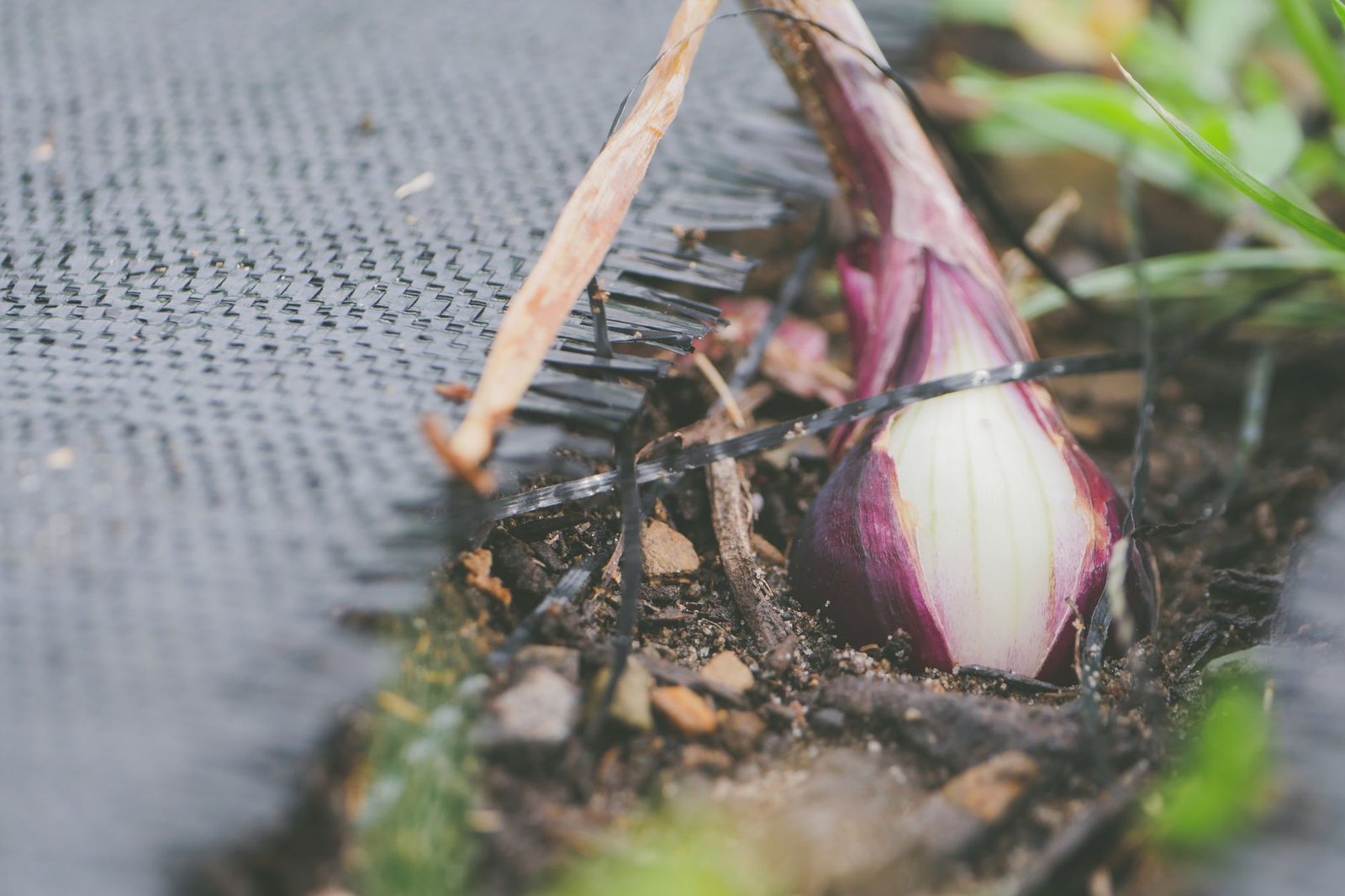
Is the vegetable garden overwhelmed by persistent weeds, threatening desired crops? Organic prevention is the most effective and sustainable approach for a thriving, chemical-free harvest. This article details five smart organic methods designed for proactive weed management in 2026, ensuring the resident’s garden remains productive and visually appealing without reliance on synthetic herbicides.
Understanding the Challenge: Modern Weed Dynamics
Weed proliferation remains a perennial challenge for gardeners, yet the approach to management has significantly evolved by 2026. Contemporary environmental consciousness, coupled with advancements in horticultural science, has amplified the demand for chemical-free solutions. Modern weed dynamics are influenced by factors such as climate shifts, which can alter weed seed dormancy and germination patterns, and the increasing prevalence of herbicide-resistant strains in broader agricultural contexts, pushing home gardeners towards robust organic strategies.
The current year sees a heightened appreciation for ecological balance within home landscapes. This shift emphasizes understanding the soil microbiome, plant interactions, and the benefits of fostering a resilient garden ecosystem. For the homeowner, moving beyond reactive weeding to proactive prevention is not merely a preference but a foundational principle for cultivating a healthy, sustainable vegetable patch in 2026.
Five Smart Organic Prevention Methods for 2026
1. Advanced Mulching Strategies with Bio-Degradable Materials
Mulching remains a cornerstone of organic weed prevention, but 2026 brings refined material science to the forefront. While traditional organic mulches like straw, wood chips, and compost are still highly effective for suppressing weeds by blocking sunlight and moderating soil temperature, modern innovations offer enhanced performance.
- Next-Generation Bio-Mulches: The resident can now access advanced bio-degradable mulching fabrics and pellets. These include cellulose-based mats infused with beneficial microbes that break down into soil amendments over a season, or algae-derived pellets designed to slowly release nutrients while forming a physical barrier. These materials are engineered for superior weed suppression, improved moisture retention, and complete integration back into the soil, leaving no waste.
- Strategic Application: Proper application is crucial. A consistent layer of 4-6 inches of organic mulch effectively smothers emerging weeds and prevents new seeds from germinating. For optimal results, application should occur after planting and once soil temperatures have warmed sufficiently but before significant weed growth. The homeowner should ensure the mulch does not directly touch plant stems to prevent rot.
2. Precision Cover Cropping and Crop Rotation
Integrating cover crops and practicing thoughtful crop rotation are powerful preventative measures that work synergistically to deter weeds and enhance soil health. These methods leverage natural processes to create an environment less hospitable to weed growth.
- Cover Cropping for Weed Suppression: Planting specific cover crops during off-seasons or in fallow areas actively outcompetes weeds for light, water, and nutrients. Legumes (e.g., clover, vetch) and grains (e.g., rye, oats) are excellent choices, providing a living mulch that prevents weed establishment. In 2026, specialized seed mixes are available that are tailored for rapid growth and high biomass, offering maximum weed suppression while enriching the soil with organic matter and nitrogen. The gardener should select cover crops appropriate for the local climate and specific vegetable garden rotations.
- Strategic Crop Rotation: Rotating vegetable families across different beds each season helps break the life cycles of specific weeds that may be associated with certain crops. For instance, moving a heavy feeding crop from a bed after a nitrogen-fixing cover crop can disrupt weed patterns. This strategy also improves soil fertility balance and reduces pest and disease pressure, contributing to a healthier ecosystem where desired plants thrive over weeds.
3. Smart Irrigation and Drip Systems
Watering precisely where it is needed, rather than broadly, is a highly effective organic weed prevention tactic. Weeds often proliferate in areas where water is indiscriminately applied, giving them an advantage. Modern irrigation technologies offer solutions to this common issue.
- Targeted Water Delivery: Implementing a drip irrigation system or soaker hoses ensures that water is delivered directly to the root zones of desired plants. This denies moisture to weed seeds resting on the soil surface in the pathways or between rows, significantly reducing their germination rates. For the user, this means less time spent weeding and greater water efficiency.
- 2026 Smart Systems: Contemporary drip systems can be integrated with smart sensors and AI-driven scheduling platforms. These systems analyze soil moisture levels, local weather forecasts, and plant-specific water requirements to deliver precise amounts of water exactly when and where necessary. This ultra-efficient watering minimizes moisture availability for weeds while optimizing growing conditions for vegetables, demonstrating how technology supports organic gardening principles.
4. Enhanced Soil Health and Companion Planting
A vibrant, healthy soil ecosystem is naturally more resistant to weed incursions. Weeds often exploit nutrient imbalances or poor soil structure, thriving where desirable plants struggle. Furthermore, strategic plant pairings can actively deter weed growth.
- Building Soil Organic Matter: The resident should focus on consistently building soil health through regular additions of high-quality compost, well-rotted manure, and other organic amendments. Healthy soil with rich organic matter content supports a robust microbial community that can outcompete weed seeds and provide a stable environment for vegetable roots. No-till or minimum-tillage practices further preserve soil structure and prevent dormant weed seeds from being brought to the surface.
- Companion Planting for Weed Deterrence: Certain plant combinations can deter weeds by occupying space, releasing biochemicals, or simply outcompeting them. Dense planting of basil near tomatoes can suppress weeds, while ground covers like sweet alyssum can fill gaps between taller plants, preventing weed establishment. Researching appropriate companion plant pairings for the specific vegetable crops being grown can significantly reduce weed pressure and foster a more harmonious garden environment.
5. Proactive Seedbed Preparation and Solarization Techniques
Preparing the garden bed with intent can drastically reduce the initial weed seed bank, laying a clean foundation for planting. These proactive methods are about removing the threat before it even emerges.
- The False Seedbed Method: This technique involves preparing the garden bed as if for planting, then allowing any weed seeds near the surface to germinate over a week or two. Once a flush of young weeds appears, they are shallowly cultivated or hoed off before planting vegetables. This removes a significant portion of the immediate weed threat without disturbing deeper soil layers. For the resident, repeating this process once or twice before planting can dramatically reduce post-planting weed pressure.
- Advanced Solarization for Seed Elimination: Soil solarization uses clear plastic sheeting to trap solar energy, heating the soil to temperatures lethal to weed seeds, pathogens, and pests. By 2026, more efficient, durable, and environmentally conscious solarization plastics are available, offering improved heat retention and less degradation. The homeowner can apply clear, UV-stabilized plastic tightly over moistened soil during the hottest months for 4-6 weeks to effectively sterilize the top few inches, eradicating a vast majority of weed seeds. This method is particularly effective for new garden beds or heavily infested areas.
Integrating Modern Trends for a Resilient Garden
The successful organic management of a vegetable garden in 2026 hinges on the integration of these preventative strategies into a holistic garden plan. The increasing adoption of sustainable practices and permaculture principles encourages the homeowner to view the garden as a dynamic ecosystem rather than a collection of individual plants. By prioritizing soil health, leveraging modern bio-materials, employing precision irrigation, and utilizing natural plant interactions, the resident creates a resilient environment where vegetables flourish and weeds are effectively marginalized.
Embracing these proactive, organic methods not only ensures a bountiful, chemical-free harvest but also contributes to a healthier local ecosystem and a more sustainable domestic landscape. Consistent application and observation are key to adapting these strategies to specific garden conditions for long-term success.