
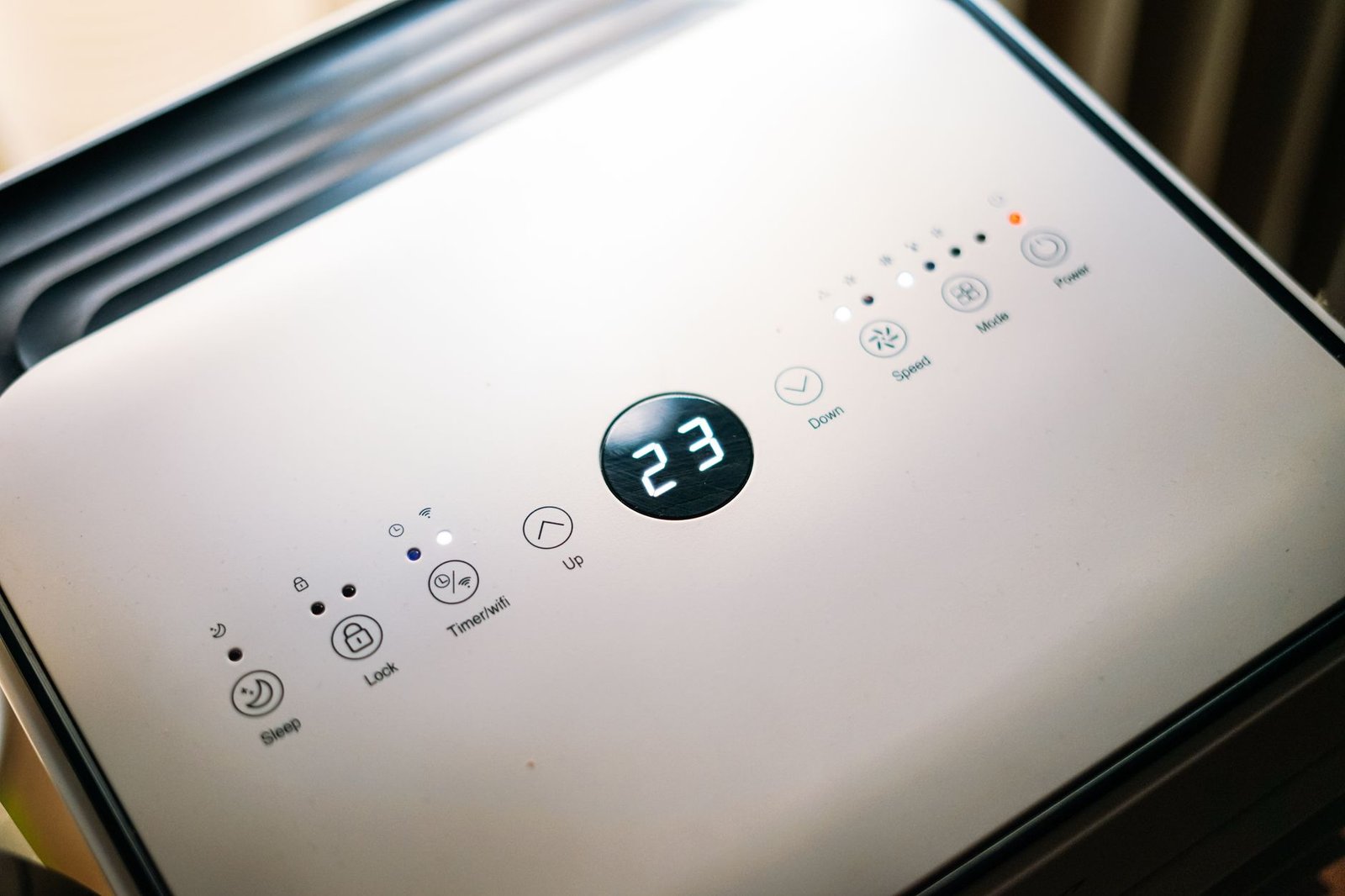
When confronting indoor air quality (IAQ) concerns, a common dilemma arises: determining whether a dehumidifier or an air purifier offers the most effective solution. The choice between these two appliances is not about one being universally superior, but rather about addressing specific environmental challenges within a residential setting. A dehumidifier excels at mitigating excessive moisture and its associated issues, while an air purifier is designed to remove airborne particulates and contaminants.
Understanding Dehumidifiers in 2026
Dehumidifiers play a crucial role in maintaining optimal indoor humidity levels, typically targeting the ideal range of 30-50%. Excessive humidity fosters the proliferation of mold, mildew, dust mites, and can even contribute to structural damage and unpleasant musty odors. These appliances operate by drawing in humid air, passing it over a cooled coil where moisture condenses, and then releasing drier air back into the space. The collected water is either stored in a removable reservoir or drained continuously.
How Dehumidifiers Work
Modern dehumidifiers in 2026 integrate sophisticated sensor technology, enabling precise monitoring and automatic adjustment of humidity levels. Compressor-based models remain dominant for their efficiency in warmer, highly humid conditions. However, desiccant dehumidifiers have seen significant refinements, making them increasingly popular for cooler environments like basements and garages, where compressor units might struggle. These desiccant models utilize a moisture-absorbing material, often silica gel, which then releases the water into a collection tank. Energy efficiency standards have driven innovations in fan design and compressor technology, leading to models that consume considerably less power than their predecessors, a key consideration for the environmentally conscious homeowner.
When a Dehumidifier is Essential
A dehumidifier becomes an indispensable tool when indoor relative humidity consistently exceeds 50%. This is particularly common in humid climates, basements, crawl spaces, laundry rooms, and bathrooms lacking adequate ventilation. Signs that indicate a need for a dehumidifier include condensation on windows, a persistent damp or musty smell, visible mold or mildew growth, or an increase in respiratory issues related to mold spores and dust mites. For residents of properties constructed with materials susceptible to moisture damage, such as certain types of wood or drywall, a dehumidifier actively preserves the integrity of the home. In 2026, many homes are integrating smart dehumidifiers into broader environmental control systems, allowing for remote monitoring and proactive adjustments based on predictive weather analytics, ensuring optimal comfort and preservation without constant manual oversight.
Understanding Air Purifiers in 2026
Air purifiers are engineered to cleanse indoor air by removing various airborne pollutants, allergens, and harmful particles. These devices are particularly vital for individuals with allergies, asthma, or those living in areas with poor outdoor air quality. The core function involves drawing air into the unit, passing it through a series of filters, and then recirculating cleaner air back into the room.
How Air Purifiers Work
The efficacy of an air purifier hinges on its filtration system. The gold standard for particulate removal remains the High-Efficiency Particulate Air (HEPA) filter, capable of capturing 99.97% of airborne particles 0.3 microns in size, including pollen, pet dander, dust mites, and mold spores. Complementing HEPA filters are activated carbon filters, essential for adsorbing volatile organic compounds (VOCs), odors from cooking or pets, and various chemical gases. Recent advancements in 2026 include enhanced carbon materials with increased porosity, extending their lifespan and effectiveness against a wider spectrum of airborne chemicals. Furthermore, many high-end units now incorporate UV-C sterilization lights to neutralize bacteria, viruses, and other microorganisms, offering an additional layer of protection against pathogenic threats. Some cutting-edge models are also integrating advanced electrostatic filtration with reduced ozone output, or even photocatalytic oxidation (PCO) technology that, when properly designed, effectively breaks down pollutants without harmful byproducts.
When an Air Purifier is Essential
An air purifier is a critical appliance for any residence where airborne contaminants pose a concern. This includes homes with allergy sufferers, asthma patients, pet owners, or residents located near high-traffic roads or industrial zones. The presence of common indoor pollutants like dust, pollen, pet dander, smoke, or even lingering odors from new furniture or building materials signals a need for an air purifier. With the heightened awareness of airborne pathogen transmission, many homeowners also invest in air purifiers as a preventive measure. In 2026, AI-driven air quality monitors are increasingly integrated with purifiers, allowing devices to automatically adjust fan speeds and filtration settings in real-time response to detected pollutant levels, from PM2.5 to complex VOC profiles. This proactive approach ensures continuous, optimized air quality management without manual intervention.
Making the Right Choice: Dehumidifier or Air Purifier?
The decision between a dehumidifier and an air purifier ultimately depends on the primary indoor air quality challenges faced by the resident. A thorough assessment of the home environment is the first step towards an informed decision.
Assessing Indoor Air Quality Needs
Identifying the root cause of discomfort or health concerns is paramount. If the main issues are persistent dampness, musty smells, visible mold, or a feeling of stickiness, the primary need is likely humidity control. Conversely, if the resident experiences sneezing, coughing, itchy eyes, increased asthma symptoms, or notices dust, pet hair, or smoke odors, then airborne particulate removal is the priority. Many smart home systems and standalone devices now offer comprehensive indoor air quality monitoring, providing real-time data on humidity levels, PM2.5, VOCs, and CO2, which can guide appliance selection with scientific precision.
The Synergy of Both Appliances
In many residential settings, optimal indoor air quality is achieved through the combined use of both a dehumidifier and an air purifier. For instance, a dehumidifier can prevent mold growth by maintaining low humidity, while an air purifier removes existing mold spores, pet dander, and other allergens that might still be circulating. This synergistic approach tackles a broader spectrum of IAQ issues, creating a significantly healthier and more comfortable living environment. While standalone units generally offer superior performance in their respective functions, hybrid units designed for both tasks have seen incremental improvements in 2026, though dedicated appliances often remain the preferred choice for maximum effectiveness. Smart home platforms facilitate the coordinated operation of both types of devices, optimizing their performance based on real-time environmental data.
2026 Trends and Innovations in IAQ
The year 2026 sees a continued emphasis on smart, integrated home environmental solutions. Homeowners are increasingly seeking appliances that not only perform their core function but also connect seamlessly with other smart devices, offering holistic control and data insights. Sustainable filtration materials are gaining traction, with a focus on bio-based or recyclable components for air purifier filters. Energy efficiency remains a critical design criterion across both categories, with manufacturers pushing for lower operational costs and reduced environmental footprints. Furthermore, personalized air quality zones, enabled by smaller, more powerful localized units and advanced sensors, allow residents to fine-tune conditions in specific rooms, optimizing comfort and health precisely where needed.
Maintenance and Longevity for Optimal Performance
Regardless of the chosen appliance, consistent maintenance is critical for ensuring long-term effectiveness and efficiency. For air purifiers, regular filter changes are non-negotiable; neglecting this can lead to decreased airflow, reduced contaminant removal, and even the recirculation of trapped pollutants. Dehumidifiers require periodic cleaning of their water reservoirs to prevent bacterial growth and mold, along with cleaning of coils and air filters to maintain efficient moisture extraction. Adhering to manufacturer guidelines for maintenance not only prolongs the life of the unit but also ensures the continuous provision of high-quality indoor air, protecting the investment and promoting a healthier home environment for all residents.