
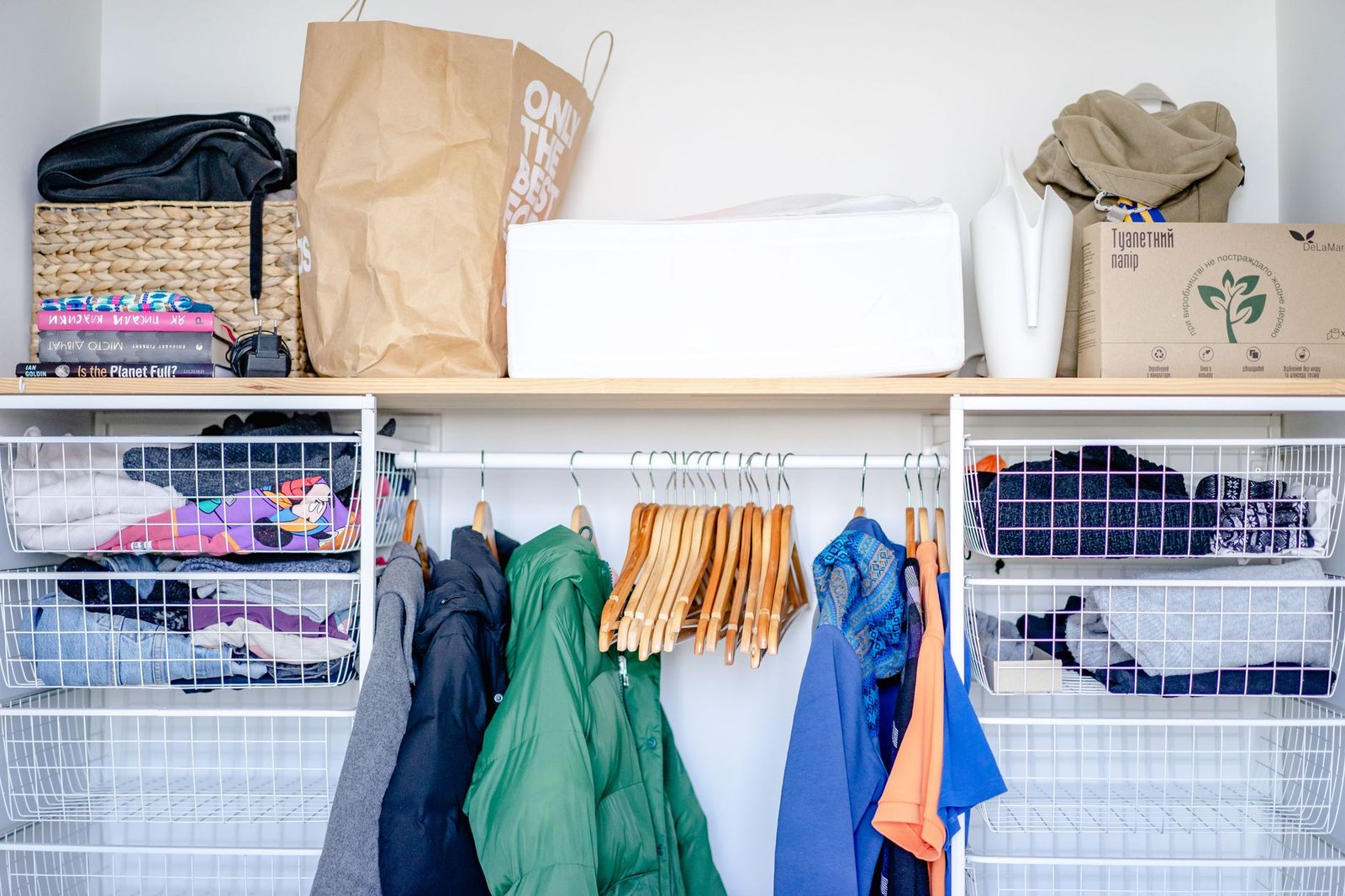
A linen closet teetering on the brink of explosion is a common household challenge, yet it represents an opportunity for optimized domestic organization. Addressing this overflowing dilemma involves implementing strategic folding techniques and integrating intelligent storage solutions designed for maximum efficiency. This guide offers seven clever hacks tailored for the modern home in 2026, enabling residents to transform chaotic linen spaces into models of order and accessibility. By adopting these methods, the homeowner can reclaim valuable space and ensure every textile is readily available and neatly maintained.
The Foundation: Decluttering and Strategic Assessment
Before any folding or storage solution can be effectively implemented, a critical preliminary step is required: a thorough decluttering and assessment of the existing inventory. This foundational phase ensures that only necessary, usable items occupy precious closet real estate.
The Essential Purge
The first action involves removing every item from the linen closet. This provides a clear visual of the entire collection. The resident should then ruthlessly discard or donate any items that are ripped, stained, worn beyond repair, or simply no longer serve a purpose. Obsolete textile care products or unused accessories should also be removed. Focusing on quality over quantity is a cornerstone of effective organization in 2026.
Categorization for Clarity
Once the purge is complete, items should be grouped into logical categories: bed sheets (separated by size), bath towels, hand towels, washcloths, beach towels, duvets, blankets, table linens, and miscellaneous items. This initial sorting process simplifies the subsequent folding and storage decisions, allowing for the creation of designated zones within the closet.
Seven Clever Folding Techniques for Enhanced Capacity
Maximizing space within a linen closet largely depends on how items are folded. These techniques are designed for visual appeal, easy access, and optimal footprint.
1. The KonMari Vertical Fold for Sheets and Pillowcases
This globally recognized method involves folding textiles into small, self-supporting rectangles that stand vertically. For a flat sheet, the resident should fold it lengthwise, then in thirds, and finally into smaller, consistent rectangles. Pillowcases can be folded to match the size of the accompanying sheet set. When stored vertically, these items resemble files in a drawer, allowing for instant visibility and preventing stacks from toppling.
2. File Folding for Towels
Similar to the KonMari method, file folding for towels creates a uniform, upright presentation. A bath towel should be folded in half lengthwise, then in half again. From there, it is folded in thirds or quarters, creating a compact rectangle. This method not only saves space but also minimizes creasing and ensures that any towel can be retrieved without disturbing others, a significant improvement over traditional stacking.
3. The Sheet Set Bundle: Complete Cohesion
To prevent mismatched sheet sets, this hack involves neatly folding the fitted sheet, flat sheet, and one pillowcase. The second pillowcase is then used as a wrapper: the entire folded set is placed inside the open pillowcase, which is then folded around the bundle. This creates a cohesive, single unit that is easy to store and retrieve, ensuring that a complete set is always together.
4. Rolling for Bulky Items and Blankets
For larger, bulkier items like blankets, throws, or duvets (if not stored in vacuum bags), rolling can be more effective than folding. Neatly fold the item into a long, narrow strip, then roll it tightly from one end to the other. This compresses the item, reduces wrinkles, and creates a cylindrical shape that can be placed side-by-side on shelves or in bins, preventing the messy collapse often associated with stacked blankets.
5. The Three-Fold Method for Table Linens
Tablecloths and larger fabric napkins benefit from a precise three-fold method. Lay the item flat, then fold it lengthwise into thirds. Repeat this process widthwise, ensuring crisp, clean edges. This creates a neat, square or rectangular packet that is ideal for stacking or filing in a designated section for entertaining linens, preserving their pristine condition.
6. Structured Stacking for Irregular Items
Some items, such as specialized throws or irregularly shaped decorative cushions, resist conventional folding. For these, a method of structured stacking can be employed using shelf dividers or stiff fabric boxes. This creates individual compartments, allowing the items to be loosely folded or arranged and then contained, preventing them from sprawling across the shelf and maintaining a tidy appearance.
7. Strategic Zoning Through Containment
Beyond individual folding, establishing zones within the closet is paramount. Once items are folded, they are assigned a specific area or container. For example, all guest linens occupy one shelf, while daily use items are on another. This ‘containment strategy’ acts as a visual and physical boundary, reinforcing organization and making it easy to return items to their proper place after laundering.
2026 Innovations: Smart Storage Solutions and Sustainable Materials
The modern linen closet benefits immensely from intelligent storage products and a focus on sustainable choices, reflecting the trends of 2026 in home organization.
Modular and Adaptable Storage
Adjustable shelving systems and pull-out drawers are essential for maximizing vertical space and providing easy access to items at the back of deeper closets. Transparent, stackable acrylic bins or sustainably sourced woven baskets (e.g., bamboo or recycled PET felt) allow for clear categorization and visibility. Modular drawer organizers within shelves prevent smaller items like washcloths or cleaning cloths from becoming a jumbled mess.
Sustainable Storage Solutions
In 2026, the emphasis is on eco-conscious choices. Storage bins crafted from bamboo, organic cotton canvas, or recycled plastic (RPET) offer durable and aesthetically pleasing alternatives to traditional plastic. Cedar blocks or sachets filled with natural lavender or cedar shavings provide a sustainable and pleasant fragrance, deterring pests without harsh chemicals. For seasonal items, advancements in reusable, eco-friendly vacuum storage bags offer space-saving without reliance on single-use plastics.
Smart Integration for Inventory Management
While full AI integration for linen closets is emerging, 2026 sees the rise of simpler ‘smart’ solutions. QR code labels on storage bins, linked to a simple digital inventory app, allow residents to quickly check contents without unpacking. This minimizes search time and prevents overbuying, aligning with minimalist consumption trends.
Maintaining Order: Long-Term Strategies for a Serene Closet
Achieving an organized linen closet is only half the battle; maintaining that order requires consistent effort and smart habits.
Regular Audits and Rotation
Periodically, perhaps quarterly, the resident should conduct a mini-audit. This involves a quick check for items that have crept out of place, ensuring proper folding is maintained, and rotating items. Rotating ensures that all linens are used evenly, preventing wear on a select few and preserving the life of the entire collection.
The “One-In, One-Out” Principle
To prevent future overflow, adopting a “one-in, one-out” policy is highly effective. When a new towel or sheet set is purchased, an older, more worn item is retired and donated or repurposed. This simple rule prevents accumulation and ensures the linen closet always contains only what is needed and valued.
By implementing these seven clever folding and storage hacks, complemented by 2026’s smart solutions and a commitment to maintenance, any exploding linen closet can be transformed into a beautifully organized and highly functional space, enhancing the overall domestic comfort and efficiency of the home.